In photography, the use of lines can have significant impact. This article will describe the various forms of lines, how to use lines to compliment your photograph and how lines can form a specific atmosphere or feeling.
This article belongs to a series of photography composition techniques. To start from the beginning, please refer to The Big Picture – Photography Composition Techniques .
Lines in Photography
There are various forms of lines and which you use will determine the end result of your photograph. If your line begins at the center or edge of your photo it can split the photo in half, your photograph will have a more impressive outcome and stronger composition if your leading line begins at the corner of your photograph.
Making use of lines in photography is a photographic composition technique used by many professional photographers, and for good reason. Lines - also referred as “Leading Lines” - can be used to lead the eye to the point of interest and prevent the eye from wandering. Lines can put emphasis on distance or illustrate a relationship to foreground and background elements. Keep in mind that using lines incorrectly can have the opposite effect and lead the eye away from the point of interest.
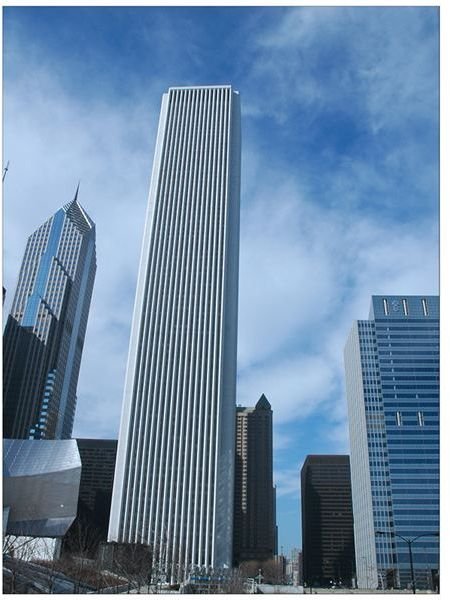
Vertical Lines
Vertical lines can suggest dominance, power and growth. Some excellent examples include tall structural designs and trees.
Try keeping your vertical lines parallel with the sides of your photograph as much as possible. Vertical lines obviously can’t begin at the corner of your image, as previously suggested, so the alternative is to keep the Rule of Thirds in mind. This will help prevent your image from looking like it’s been cut in half.
(Click on images to enlarge)
Photo by swanksalot
Horizontal Lines
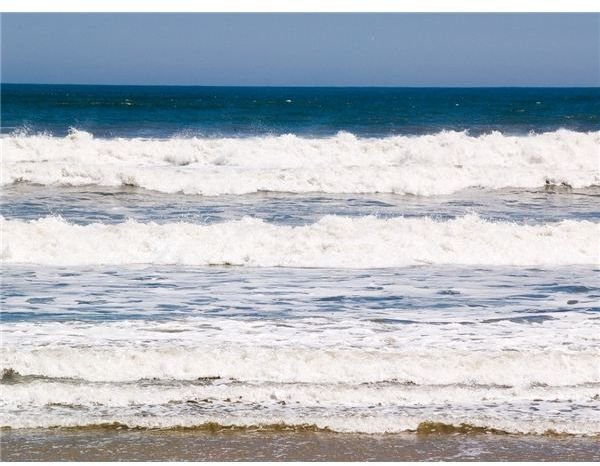
Horizontal lines can suggest peace, calmness and a sense of restfulness. Some prime examples include fallen trees, the ocean, beaches and horizons.
Just like vertical lines, horizontal lines should be kept as horizontal as possible. Also like vertical lines, the Rule of Thirds should be taken into consideration. Layering horizontal lines can strengthen the composition and can be successful in generating patterns and rhythm.
Photo by dchousegrooves
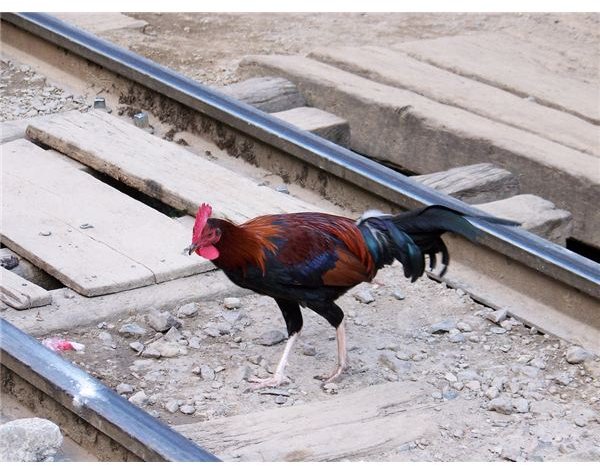
Diagonal Lines
Diagonal lines can suggest action, stimulation and depth. The use of diagonal lines can help draw the eye through a photo. The best way to utilize diagonal lines is to present them from the bottom left of the photo to the top right, this is because our eyes naturally scan from left to right. To prevent the photo from looking split, try positioning your diagonal lines to begin slightly above or below the corner of the photo.
Photo by James Jordan

Photo by alosa_sapidissima
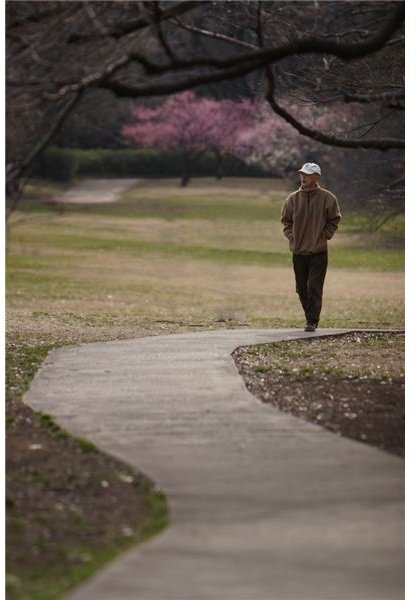
Curved Lines or S Curves
Curved lines or S curves suggest sensuality, elegance and a serene sense of balance. S curves don’t necessarily need to be S-shaped; any form of a winding line can be used. Some examples include rivers, streams, paths and even the human body.
Photo by bhollar
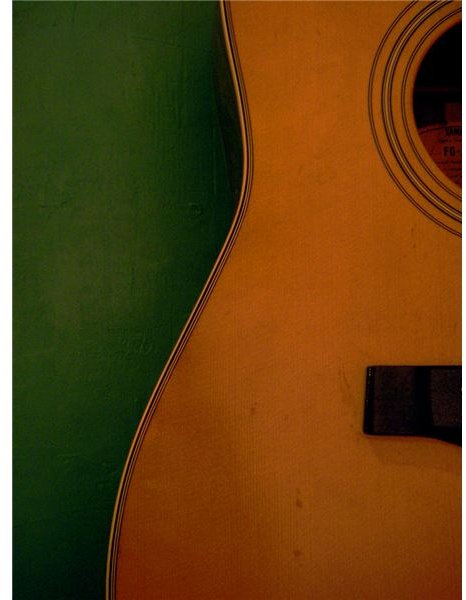
Photo by mrhayata
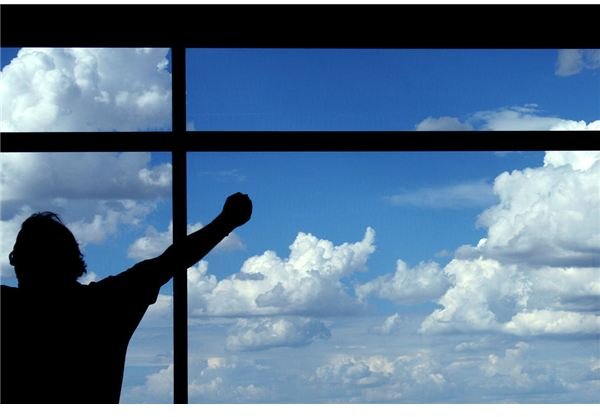
Converging Lines
Converging lines will add a certain flow or depth to your photograph. It will also add a sense of distance or scale. Some examples of converging lines are power lines, stairways and the infamous railroad tracks. Our eyes are naturally drawn to where intersecting lines connect. To create a stronger impact and visual interest, it’s best to position your subject near converging lines. However, sometimes converging lines are point of interest in itself and there is no need for additional subjects.
Photo by brian boulos
The Use of Lines
Although the use of lines is a very effective means of composition, it isn’t necessarily a technique that will come easily to a beginner. As with any form of composition, you’ll have greater success when you couple your knowledge with a creative eye and lots of practise.
Photo by mike138

This post is part of the series: Photography Composition
To take the best photos, there are many different photographic composition techniques you need take into consideration. This article series on photography composition will provide you with guidelines, tips and techniques to help you learn how to take better photos.
- The Big Picture – Photographic Composition Techniques
- Give Them Space - Photography Composition Techniques
- Capture Photos from Different Angles – Photography Composition Techniques
- Don’t Forget to do a Background Check - Photography Composition Techniques
- Contrast - Photography Composition Techniques
- Fill Your Frame - Photography Composition Techniques
- Framing Your Subject - Photography Composition Techniques
- Making Use of Lines – Photography Composition Techniques
- Rule of Thirds - Photography Composition Techniques