Since the genetic engineering of plants began in the 1980s, the common form of modifying an organism has been to introduce new genes. However, during the early part of the 21st century, a number of scientists found ways to modify existing genes to create new effects.
Throughout the late 20th and early 21st centuries, scientists have made much progress in their efforts to produce genetically engineered organisms . Much of this research has been conducted with the intention of introducing new genes into an organism’s DNA. However, there is another way; altering an organism’s existing genes.
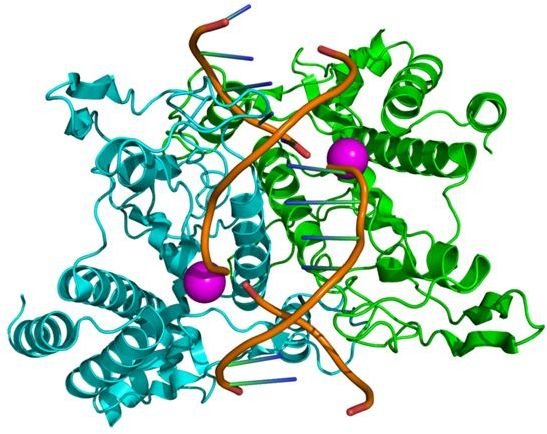
What is genetic engineering without introducing new genes? The most common way here is to genetically modify organisms by fusing small protein domains to zinc ions within the DNA. This process uses artificially-created enzymes that cut into single or double stranded DNA. These zinc finger domains allow scientists to target specific sequences and precisely modify the genomes.
Potential of Not Introducing New Genes
The process of altering existing genomes has much potential. The Zinc Finger Consortium , started by Daniel Voytas of the University of Minnesota and J.Keith Joung of Harvard University, both point to the overall possibilities of this research. Without introducing new genes into organisms, many of the concerns over genetically modified foods can be dispelled. In addition, healthier and more robust plants and vegetation may help with the problems of food shortages as well as the potential for the increased use of biofuels.
Utilizing zinc finger technology, geneticists can disable dominant mutations. In the mutant allele, double-strand breaks are created in heterozygous genes. Without the template for a homologous set, the strand repairs itself through a process known as non-homologous end-joining. Basically, the two ends of the remaining strand fuse together. This creates a situation in which the mutation no longer exists.
Some problems arise with the process of using zinc finger domains. It is still a very new technology. Non-specific targeting may cause too many double-strand breaks. This can result in a rearrangement of chromosomes and possible cellular death. It can also cause randomized integration of DNA. There are also risks associated with an organism’s immune system. Often, the immune system will attempt to respond to a foreign protein, hindering the ability for geneticists to modify the organism.
Example of Genetic Engineering

In 2009, Voytas and Joung both worked together to modify the cells of a tobacco plant, without introducing new or modified genes. After going through the process, the researchers were able to mature a number of plants that could survive exposure to herbicides. This demonstrated that not only was the technology was sound, but the potential for modifying a number of plants for a variety of uses was possible.
Other Resources
DNA Scissors: What is the Future of Gene Therapy?
The Basics of Genetic Engineering
Image Sources
Restrictive Enzyme. (Supplied by Boghog2 at Wikimedia Commons; Public Domain; https://upload.wikimedia.org/wikipedia/en/9/95/1QPS.png )
Tobacco. (Supplied by the US Department of Agriculture; Public Domain; https://upload.wikimedia.org/wikipedia/commons/e/ed/Tobacco.jpg )