As a necessary part of the human body, the glands of the endocrine system control the release of hormones. Each gland is responsible for producing these hormones that help control necessary bodily functions. Without any of these glands, the overall control of vital processes would be compromised.
The glands of the endocrine system account for one of the most complicated structures within the human body. Each of the glands is responsible for secreting a specific type of hormone that is used in a variety of capacities throughout the body. These hormones are used for everything from growth and development to regulating the metabolic functions of the body. The glands of the endocrine system can also suffer from a variety of disorders that impact various tissues and signals throughout the body.
Pineal and Pituitary Glands
The pineal gland is a small pine cone-shaped body located between the two hemispheres of the brain. It is responsible for the production of melatonin, a hormone responsible for controlling the wake and sleep patterns.
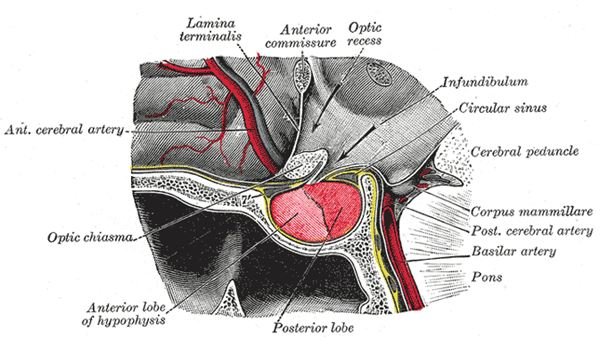
Roughly the size of a pea, the pituitary gland is located at the base of the brain connected to the hypothalamus. This is essentially the central brain, controlling all actions of the glands of the endocrine system, including stimulating the growth and development hormones.
Above right: Pituitary Gland. (Supplied by Gray’s Anatomy; Public Domain; https://upload.wikimedia.org/wikipedia/commons/9/97/Gray1180.png)
Thyroid and Parathyroid Glands
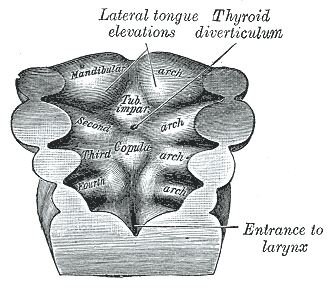
Of all of the glands of the endocrine system, the thyroid is one of the largest. Located in the neck below the Adam’s apple, the thyroid releases the hormones thyroxine and triiodothyronine, responsible for metabolism. A primary component of these hormones is iodine, a lack of which can cause major problems in the body.
Behind the thyroid gland are the four small parathyroid glands. These are responsible for controlling the calcium levels within the blood and bones. This helps the nervous system function properly.
Above left: Thyroid Gland. (Supplied by Gray’s Anatomy; Public Domain; https://upload.wikimedia.org/wikipedia/commons/4/4d/Gray42.png)
Adrenal Glands
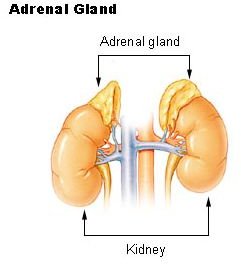
Perhaps one of the most important glands of the endocrine system are the adrenal cortex and adrenal medulla. The adrenal glands are located on the kidneys, effectively connected to the health of these organs. The adrenal cortex is responsible for fat breakdown, protein synthesis, glucose regulation, anti-inflammation and water absorption. The adrenal medulla produces adrenaline, which causes all types of secondary effects in the body such as boosting oxygen levels in the brain and muscles.
Above right: Adrenal Glands and Kidneys. (Supplied by U.S. Federal Government; Public Domain; https://upload.wikimedia.org/wikipedia/commons/1/14/Illu _adrenal_gland.jpg)
Testes and Ovaries
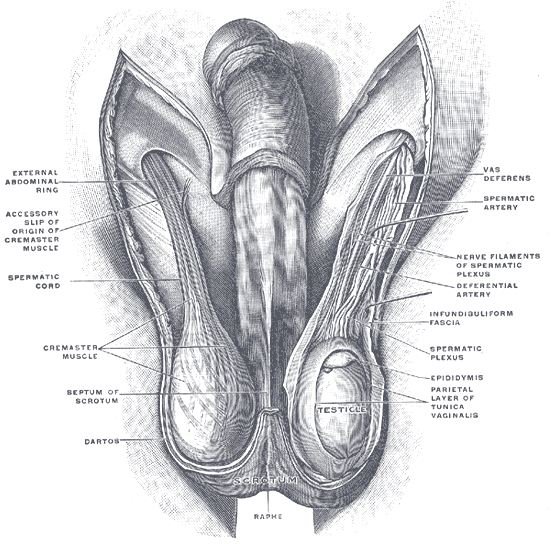
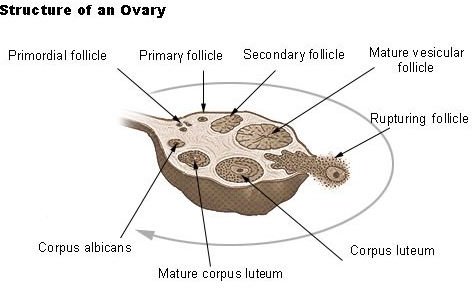
The testes in males and the ovaries in females are responsible for a wide variety of developmental and sexual hormones. Testes also influence the growth of muscles and increase bone density, deepen a male’s voice and help additional hair growth. Ovaries are responsible for the production of a wide variety of hormones that aid in pregnancy and overall female health. Additional functions of the ovaries include helping the gastrointestinal tracts and lungs as well as secondary metabolic services.
Above left: Testes. (Supplied by Gray’s Anatomy; Public Domain; https://upload.wikimedia.org/wikipedia/commons/c/c3/Gray1144.png)
Above right: Ovary. (Supplied by the National Institute of Health; Public Domain; https://upload.wikimedia.org/wikipedia/commons/0/05/Folliclesinovary.jpg)
Other Organs Involved with the Endocrine System
Other organs in the human body also help support the glands of the endocrine system. Hormones from the heart regulate blood pressure, those from the bone marrow help create platelets, the skin produces vitamin D, fat tissue helps control the metabolism, the stomach helps digestion and growth, hormones from the duodenum of the intestines helps control the digestive system, liver hormones regulate cell growth, the pancreas helps with insulin and glucose control and the kidneys release hormones that increase absorption of calcium and phosphate. In women, the uterus releases hormones that produce milk and the placenta regulates the immune system’s response to a child in the womb.
Resources
“Anatomy of the Endocrine System” eMedicineHealth: https://www.emedicinehealth.com/anatomy _of_the_endocrine_system/article_em.htm
“Glands of the Endocrine System” Wisc-Online: https://www.wisc-online.com/objects/ViewObject.aspx?ID=MEA1104
This post is part of the series: Endocrine System Facts
Analysis of the glands of the endocrine system and overall function of hormone production in the human body.