Mitochondrial DNA technology has exciting applications in science, anthropology, and other fields. Learn more about mitochondrial DNA sequencing validation summary.
Mitochondrial DNA sequencing helps researchers and scientists when they are studying human diseases, maternally linked relationships, human migration patterns, evolution, and human identification. A mitochondrial DNA sequencing validation summary thoroughly explores the important elements of this topic providing researchers and students with a better understanding of how, why, and when it is done.
What is Mitochondrial DNA?
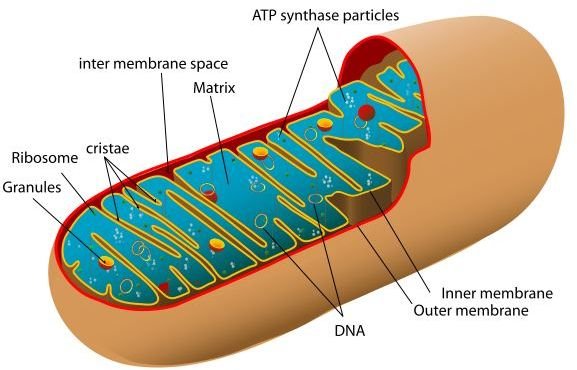
Mitochondria are the components, also referred to as structures, within cells that convert the energy obtained from food to a type of energy that can be used by cells. These structures also contain their own DNA, referred to as mtDNA, and their DNA contains 37 genes, all of which are needed for normal mitochondrial function.
Validation Explanation
Validation is a process that demonstrates whether a laboratory procedure is reliable, robust, and reproducible by those performing the test in the specific laboratory. Reliable means that the results that are obtained correctly reflect the tested sample and are accurate. Robust means that most results that are obtained are accurate. Reproducible means that the results obtained are similar, or very close to similar, every time a sample is tested.
Medical Conditions and Disorders Associated with Mitochondrial DNA Changes
A mitochondrial DNA sequencing validation summary can be beneficial when determining if a mitochondrial DNA change is associated with a medical conditions or disorder. The following medical conditions and disorders are associated with a change in mitochondrial DNA structure:
Cancer: Certain types of cancer, such as breast cancer, stomach cancer, kidney tumors, colon cancer, liver cancer, lymphoma, and leukemia, may occur as a result of a somatic (noninherited) mitochondrial DNA mutation.
Cyclic vomiting syndrome: Genetic changes in mitochondrial DNA are likely related to this condition.
Leber hereditary optic neuropathy: Certain mitochondrial gene mutations have been identified in those with this condition. Four mutations will be present.
Mitochondrial encephalomyopathy/stroke-like episodes/lactic acidosis: Certain mitochondrial gene mutations have been identified in those with this disorder. At least five mutations must be present.
Myoclonic epilepsy with ragged red fibers: Certain mitochondrial gene mutations have been identified in those with this disorder. At least four mutations must be present.
Neuropathy/retinitis pigmentosa/ataxia: Certain mitochondrial gene mutations have been identified in those with this disorder. One gene will be mutated.
Nonsyndromic deafness: Certain mitochondrial gene mutations have been identified in those with this disorder. Two mutations will be present.
Other disorders that may be associated with mitochondrial DNA changes include diabetes, vision and eye abnormalities, muscle wasting and weakness, hearing loss, movement problems, dementia, heart disease, kidney failure, Parkinson’s disease, and Alzheimer’s disease.
Resources
National Institute of Standards and Technology. (2009). Validation Information to Aid Forensic DNA Laboratories. Retrieved on January 25, 2010 from the National Institute of Standards and Technology: https://www.cstl.nist.gov/strbase/validation.htm
Genetics Home Reference. (2009). Mitochondrial DNA. Retrieved on January 25, 2010 from: https://ghr.nlm.nih.gov/chromosome=MT
Image Credits
Mitochondrion Diagram: Mariana Ruiz Villarreal – Wikimedia Commons