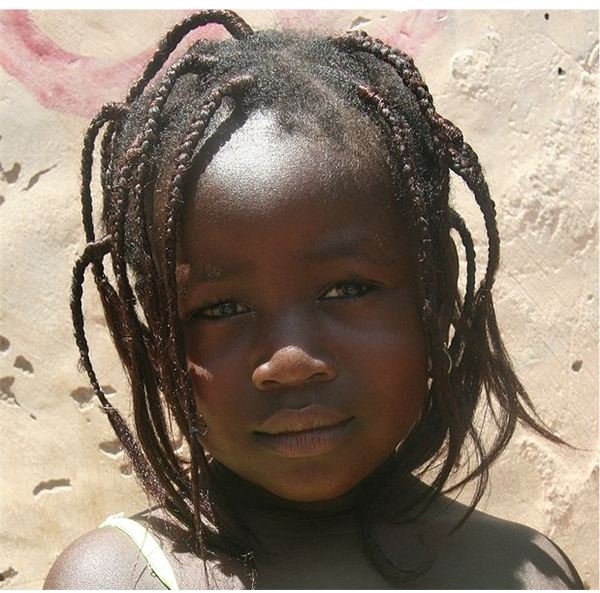
Global genetic variations of the human species can help identify the origins of man as well as define the migration of our past. The site of genetic variations is most prominent in Africa and become less frequent as the population spread out into other parts of the world.
Human Origins
According to a study released in the magazine Science Express in April 2009, global genetic variations between populations define the origin of the species. These human genetic variations between DNA markers are most prominent among the population of sub-Saharan Africa. The ten-year study of African and non-African populations traced human origins to 14 distinct ancestral groups descending from Namibia and Angola. It appears that populations migrated from these areas, eventually leaving the continent through East Africa. As this occurred, genetic diversity lessened amongst populations. This supports the Out of Africa theory of human origins.
Dispersment of the modern human population of Homo sapiens sapiens was originally conceived by Charles Darwin in The Descent of Man and Selection in Relation to Sex in 1871. However, it wasn’t until the 1980s, with studies on mitochondrial DNA and physical anthropology, that the theory was upheld.
This theory states that modern humans evolved in Africa around 200,000 years ago. They left Africa 60,000 years ago and replaced Neanderthals and Homo erectus. According to the field of population genetics, the divergence of African and Eurasian humans occurred around this time. This was followed by the European-Asian divergence by 40,000 years ago. This time frame accounts for approximately 2,000 generations of humans since the great split, during which time modern genetic features developed independently.
Distribution of Genetic Variations
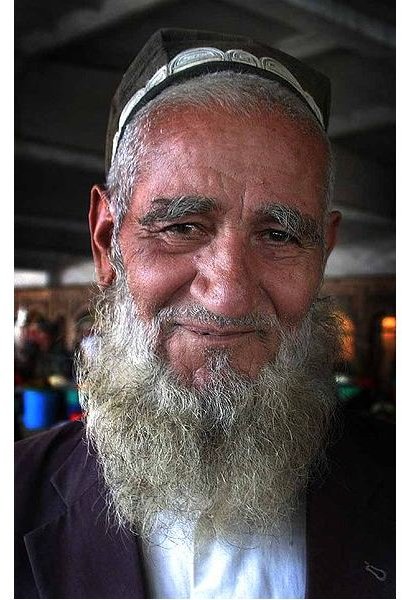

The resulting racial and cultural differences between human population groups are a product of the founder effect, where new colonies start up with reduced genetic variation. As geographic barriers grew between humans, assortative mating took place. Essentially, it was less likely that populations would interbreed, causing the genetic variations to remain intact within the community. This had the effect of greater genetic drift within the populations and an increased volume of polymorphisms are limited to that community.
According to most population geneticists, four distinct groups of humans exist. The first are those that reside in sub-Saharan Africa. The second are those that stem from North Africa, Europe and Western Asia. The third are Eastern Asians, Polynesians and Native Americans. The fourth are the native inhabitants of Oceania.
Miscegenation of Genetic Variations
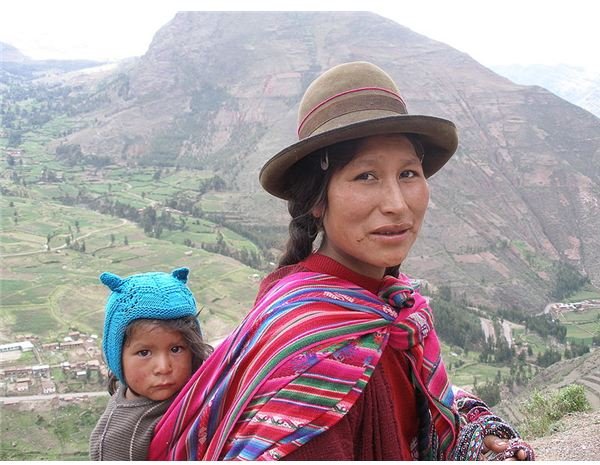
The first major period of miscegenation (mixture of racial groups) occurred during the 15th century. This brought the genetic distance between population groups closer than it had been since the early days of African migration. European explorers began to colonize a number of different continents around the world over the next few centuries. As expansion occurred, breeding between the different populations occurred, ultimately turning back the genetic divergence of the species. The most prominent example of this is the mixture of different races in the Americas. Native American populations mixed with European, African and Asian genetics to create a multiracial area. Essentially, the Americas became the most genetically variant place on Earth next to sub-Saharan Africa itself.
Additional Sources
Human Evolution: The Homo Genus
Image Sources
Burkina Faso Girl. (Supplied by Ferdinand Reus at Wikimedia Commons; Creative Commons Attribution ShareAlike 2.0; https://upload.wikimedia.org/wikipedia/commons/2/21/Burkina _Faso_girl.jpg)
Punjabi Woman. (Supplied by Raminder pal Singh at Wikimedia Commons; Creative Commons Attribution ShareAlike 2.0; https://upload.wikimedia.org/wikipedia/commons/0/05/Punjabi _woman_smile.jpg)
Tajikistan Man. (Supplied by Steve Evans at Wikimedia Commons; Creative Commons Attribution ShareAlike 2.0; https://upload.wikimedia.org/wikipedia/commons/6/68/Old _man_from_Tajikistan.jpg)
Quechua woman and child. (Supplied by quinet at Wikimedia Commons; Creative Commons Attribution ShareAlike 2.0; https://upload.wikimedia.org/wikipedia/commons/2/2c/Quechuawomanandchild.jpg )
This post is part of the series: Genetic Origins of Man and Man’s Best Friend: Dogs
Mankind developed over millions of years to the state in which it finds itself today. Tied to the origins of humans is the decline of the Neanderthal and the rise of the dog.


