Learning how to create a pattern in Photoshop is a great trick, as you can use it on everything from web design to scrapbooking, card making to general design and more! This tutorial will walk you through the very simple and quick steps of creating a pattern with Photoshop.
Creating a pattern in Photoshop is an incredibly useful skill. Imagine being able to create a pattern that you could apply to whatever you needed at the click of a button, and you wouldn’t have to cause it to repeat on its own. This is great for designing things like wallpapers, scrapbook pages, cards, and more. This tutorial uses Adobe Photoshop CS4, but you should easily be able to get the same results with versions of Photoshop 6.0 and up.
Plan a Pattern
Start by thinking about the kind of pattern you wish to create. You might want to create something as complex as a tileable image or something as simple as a grid. I’ll be creating something called a carbon fiber, which is often seen in web design and car graphics alike.
Create a New Photoshop Document
Create a new Photoshop document in the size you need. You’ll often be working with a very small document size, under 100 by 100 pixels. As an example, I’m using a document that is a mere 4 by 4 pixels. The reason this image looks so large is because it is zoomed in at 3200%!

Create Your Image
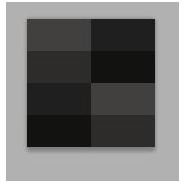
Create the image of your pattern. If you’re following this tutorial step by step, here’s how I’m doing it. I’m using the 1px pencil tool to alternate colors of deep, warm greys in two columns like in the image below.
Defining Patterns
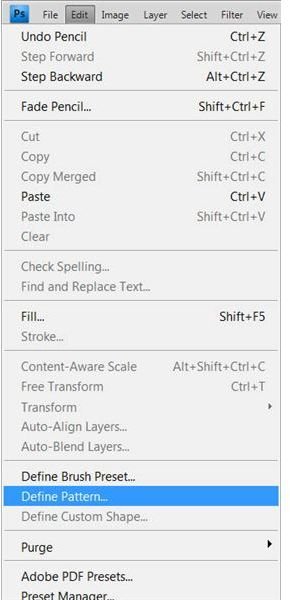
Now to save your image as a pattern, go ahead and click on Edit on the top menu, and then click “Define Pattern.”
Name & Save Your Pattern
When the new window opens, type in the name of your pattern and click OK.
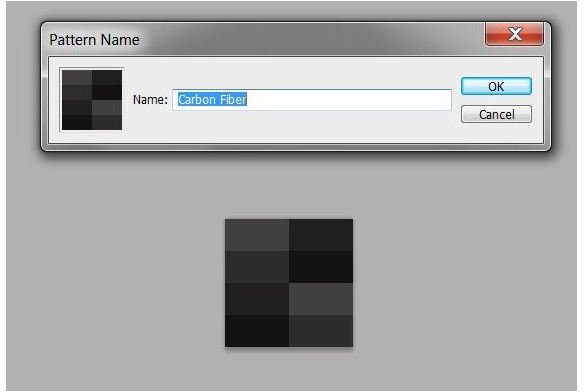
Using Your Pattern
Now, whenever you would like to use your pattern, it is as simple as selecting your Paintbucket tool (Keyboard Shortcut G), and at the top menu bar change it from “color” to “pattern”.
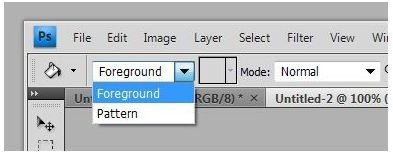
Then, simply select your new pattern and fill in what you would like.
Example

Tips & Tricks
- Be mindful of your finishing project size before you create your pattern. You cannot scale your pattern up and down after you have created it.
- Don’t be afraid to play around with your pattern. It’s often hard to visualize your pattern before you create it, especially if you are new to Photoshop or creating patterns. Expect to spend a little time on the whole process just learning what to expect.
- Remember that patterns are repeating images, so your left edge will have to match up with your right edge, and your top with your bottom. This can often result in a seam, which you might not be looking for.
- Creating a tileable image means that you are creating a pattern that you cannot see any seams in. To do this, please check out How To Create a Tileable Image , which will walk you through all the steps required to create an easily tileable image. (This is well suited for web design and scrapbooking projects.)