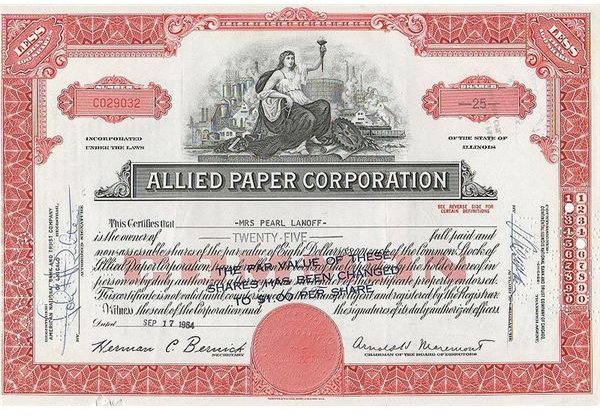
QFINANCE-The Ultimate Resource says redeemable shares are “stock that is issued on terms that may require it to be bought back by the issuer at some future date, at the discretion either of the issuer or of the holder”. Learn what is redemption of shares and how they can impact investments.
Shareholders Redemption of Shares
What is redemption of shares? Share redemptions can occur through one or more activities. A shareholder can sell their shares (thereby redeeming them for cash) or the stock may be redeemed at the discretion of the company who owns the shares. Shareholders who wish to redeem their shares for cash may do so by going through a reputable broker/dealer to facilitate the transaction, turn in their stock certificate (if it has been issued) and ask for the shares to be sold. Once the transaction has been completed and the shares are sold, the settlement date will determine when the shareholder recevies funds. A shareholder’s ability to sell shares may be dictated by market conditions but are part of their rights as a stockholder .
Shareholder redemption of shares are done at market value and are typically handled through a broker dealer. Today, it is far less common for a shareholder to hold their own shares as most are held in “street name” meaning a name other than that of the beneficial owner (eg, a broker-dealer). This is typically done to ensure that the securities will be available for delivery to a new owner.
Stock Issuer Rights of Redemption
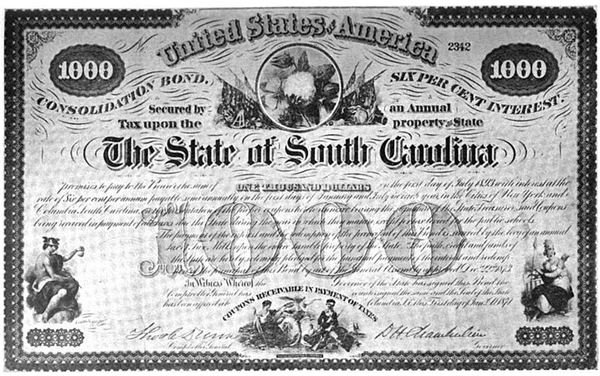
As an issuer of stocks or bonds, the issuing company (or municipality) also have redemption rights. These rights are typically protected by a feature known as a “call”. This allows the group who issued the stock (or bond) to call force the shareholder to surrender their shares in return for cash (or in the event of a reverse split, fewer shares).
When a company (or municipality) wishes to redeem shares, they will provide notification to the shareholder. This notification is typically sent out to all shareholders of a specific issue. This is often done to increase the amount of treasury stock that a company holds, while reducing the amount of shareholder equity that is in the open market.
Summary
There are a number of reasons why shares may be redeemed and this is often depending on who is redeeming them. Shareholders will redeem shares for the purposes of investing in other companies or to obtain cash. Shareholders who redeem shares are typically trying to protect themselves against greater loss.
Companies who have issued preferred shares often do so with a feature that allows the shareholder to convert the shares to common stock at a later date. In this instance, the shareholder redeems the preferred shares for common shares. Bonds that are issued by a company may also have a call feature that allows the company to encourage redemption prior to the date of maturity. In this case, the shareholder (or bond holder) would typically receive a premium (higher price) for the bond due to losing interest through the life of the bond.
Image credits
Wikimedia.org Bond: Google Books - Roland Mulville Smythe (1911). Obsolete American Securities and Corporations, Illustrated with Photographs, p. liii. R. M. Smythe. Stock: Scanned from original certificate in collection of JMWinkworth
This post is part of the series: Children and Investing
If you are considering making a gift of securities to your children or heirs, it is important that you understand the options that are available to you. Whether it is a transfer to a minor or bequeathing to heirs, you should understand the processes.