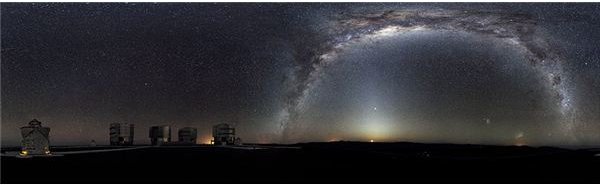
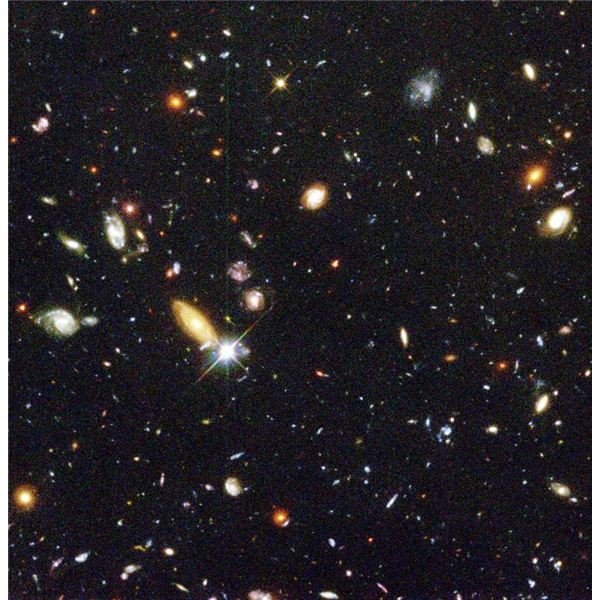
Since the Andromeda galaxy was proven to be a separate galactic system in 1922, we have discovered that the Universe is likely to contain some 170 billion galaxies. Here’s some basic information on what a galaxy is and how they are formed.
Our Place in Our Galaxy
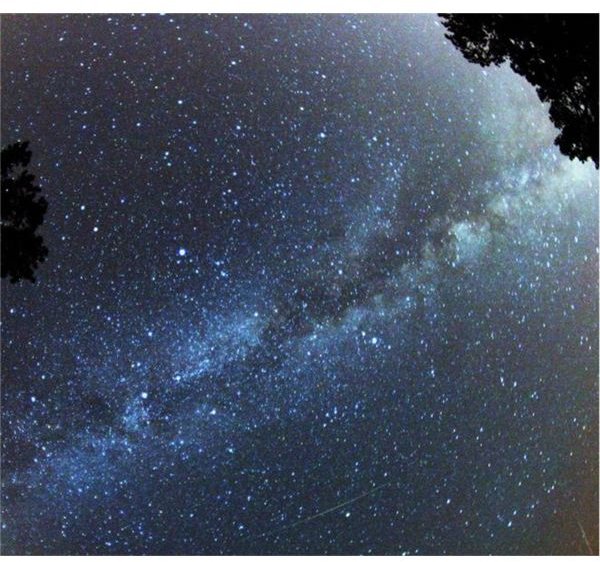
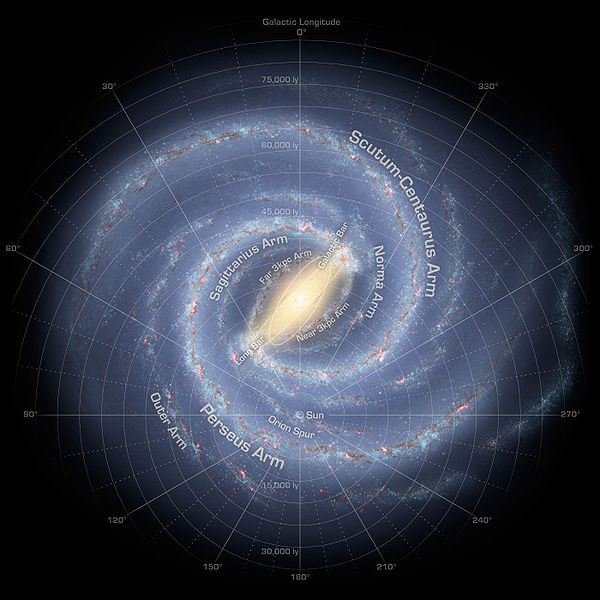
Most people understand that our planet is part of a solar system and that our Solar System is a part of a galaxy. However, many star gazers are not entirely certain what a galaxy is. In a nutshell, a galaxy is a collection of objects like stars, planets, dark matter , dust and gas that is bound together by gravity. Our spiral-shaped galaxy, the Milky Way , is 100,000 light years in diameter and is home to some 200 to 400 billion stars. Our Solar System is in orbit in one of the long tendril arms of our spiral galaxy, 25,000 light years from the galaxy’s center. On a clear night, we can see the creamy residual light of the Milky Way streaking across the sky.
Types of Galaxies
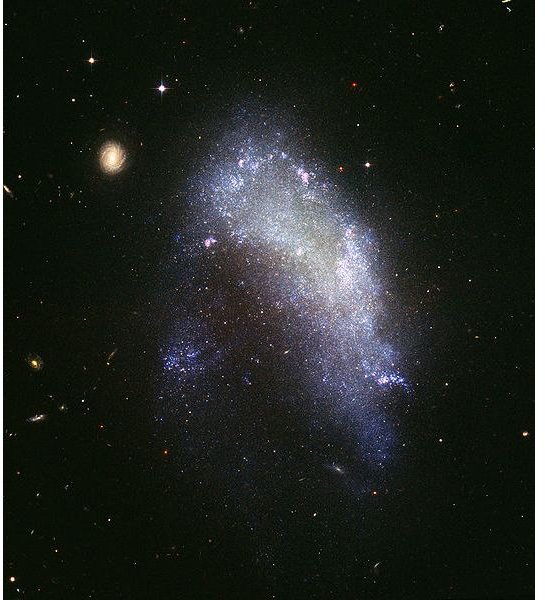
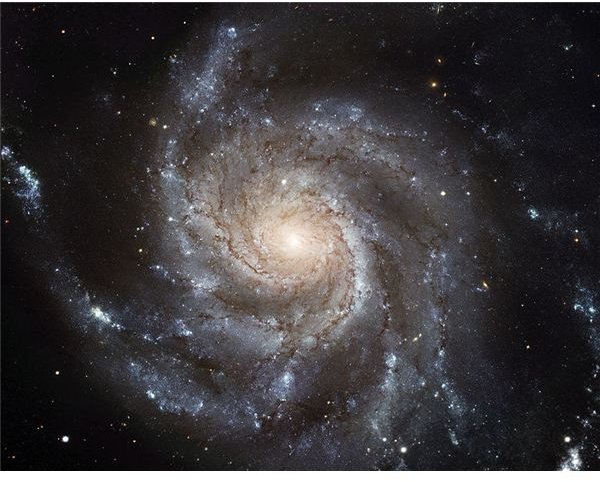
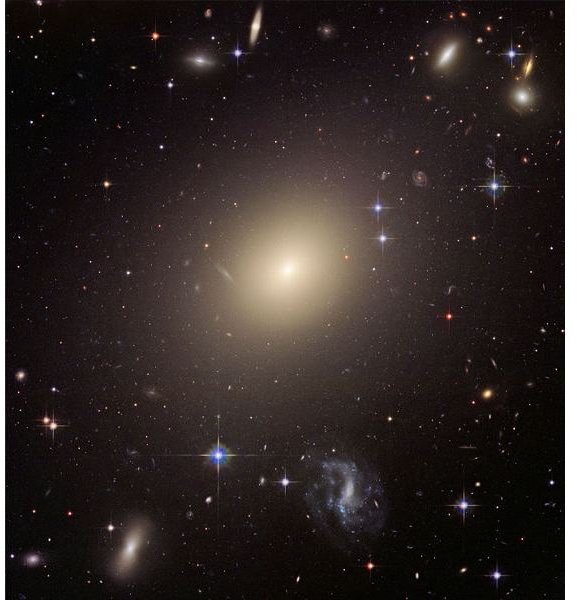
There are three different types of galaxies in the observable universe: spiral galaxies, elliptical galaxies and irregular galaxies. Spiral galaxies like the Milky Way and its closest neighbor, the Andromeda galaxy , consist of a bright bulge of old stars at the center with arms of newer stars spiraling out from the central bulge. In some galaxies, these arms spiral out symmetrically from the bulge, while barred spiral galaxies like are own have a split nucleus and appear somewhat less symmetrical. Elliptical galaxies have considerably less structure and consist primarily of older stars in varying orbits around the galaxy’s center. At a distance, these large galaxies appear to be have a circular or elliptical shape. Irregular galaxies have the least structure of all galaxies and usually consist of large quantities of young stars and interstellar matter like hydrogen gas and dust.
How is a Galaxy Formed?
The different types of galaxies in our universe are formed under different conditions.
-
Spiral galaxies are believed to have been formed by the interaction of dark matter, dust and gasses that exerted a collective gravitational pull that eventually lead to the gases contracting into other matter orbiting a dense center. The dark matter only exerts a gravitational force on this matter and plays an unexplained role in the thin, spiral shape of these galaxies.
-
Elliptical galaxies and irregular galaxies appear to have been formed by galactic collisions. Elliptical galaxies are the largest and oldest observed galaxies in the Universe and are formed by the merger of other galaxies around a very dense black hole.
Advertisement -
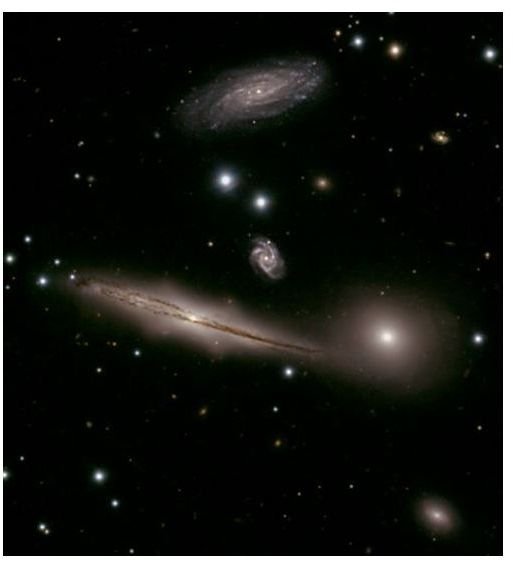
Irregular galaxies are believed to have been spiral or elliptical galaxies that lost have their symmetry due to the gravitational pull of a passing galaxy.
Credits and References
Credits:
https://en.wikipedia.org/wiki/File:Galaxy.group.hickson.arp.500pix.jpg
https://hubblesite.org/newscenter/archive/releases/1996/01/image/a/format/large _web/
https://hubblesite.org/newscenter/archive/releases/galaxy/cluster/2009/17/image/b/format/web _print/
https://en.wikipedia.org/wiki/File:Perseid _Meteor.jpg
https://en.wikipedia.org/wiki/File:Irregular _galaxy_NGC_1427A_%28captured_by_the_Hubble_Space_Telescope%29.jpg
https://en.wikipedia.org/wiki/File:Abell _S740,_cropped_to_ESO_325-G004.jpg
https://en.wikipedia.org/wiki/File:M101 _hires_STScI-PRC2006-10a.jpg
https://en.wikipedia.org/wiki/File:360-degree _Panorama_of_the_Southern_Sky_edit.jpg
https://en.wikipedia.org/wiki/File:360-degree _Panorama_of_the_Southern_Sky_edit.jpg
References:
https://facstaff.gpc.edu/~pgore/Earth&Space/GPS/galaxies.html
https://curious.astro.cornell.edu/question.php?number=157
https://www.astro.cornell.edu/academics/courses/astro201/galaxies/types.htm
https://en.wikipedia.org/wiki/Galaxy _formation_and_evolution


