Having a urinalysis with high protein doesn’t necessarily mean you have a disease. Learn what can cause high protein levels in urine (proteinuria) and who should be checked.
The kidneys filter extra water and waste products from the blood, which is excreted through urine. Most proteins (albumin is the primary protein in blood) are too big to be filtered and most small proteins that do “leak” through are usually reabsorbed by the body.
Protein has many important roles so the body does not want to get rid of it. Proteins help regulate bodily fluids (preventing edema), fight off infections, prevent hemorrhage, and are the building blocks of many body parts such as muscle, bones, nails, and hair.
What does it mean if I have an urinalysis with high protein?
Small amounts of protein in the urine can be normal (especially in young people after activity or exercise). However, high amounts of protein in the urine (called proteinuria or albuminuria) can be a concern.
There are many contributing factors for proteinuria. Temporary rises can occur after strenuous exercise or when stressed, dehydrated, suffering from a high fever, or exposed to extreme temperatures. Continued rises can indicate kidney disease or some other serious condition, such as:
- Bladder tumor
- Diabetes
- High blood pressure
- Heart disease
- Rheumatoid arthritis
- Lupus
- Hodgkin’s disease
- Leukemia
- Sickle cell anemia
- Malaria
- Heavy metal poisoning
- Pregnancy (preeclampsia)
What will my doctor do if I have protein in my urine?
Depending on how much protein you have in your urine, your health, and your medical history, your doctor may want to:
- repeat the urinalysis (to check for protein)
- check protein levels in your blood (if blood levels are high, it is possible to have protein in your urine when your kidneys are functioning properly but, if a disease is responsible for the protein in your urine, protein levels in your blood can be normal)
- check creatinine levels in your blood (too much creatinine, a waste product from muscle breakdown, is a sign of kidney damage)
- order other tests to determine the cause.
Who should be regularly checked for proteinuria?
Regular urine checks are recommended by several health organizations for people who are at risk for chronic kidney disease (like diabetics). According to a study performed by the National Institutes of Health in 1996, protein in the urine is the best predictor of progressive kidney failure in those with type II diabetes.
What should I know before having an urinalysis?
Prior to being tested, drink plenty of water and avoid strenuous exercise. This will help prevent an urinalysis with high protein not associated with a disease.
If you are taking medications, let your health care provider know what they are because some can interfere with results. Depending on the drug, you may be asked to stop taking prior to the test.
If you received a dye (contrast media) for a radiology exam, you should avoid being tested for 3 days.
Sources Used
Protein in Urine (Proteinuria): https://www.kidneyfund.org/kidney-health/kidney-problems/protein-in-your-urine.html
Proteinuria: https://kidney.niddk.nih.gov/kudiseases/pubs/proteinuria/
Protein in urine: https://www.mayoclinic.com/health/protein-in-urine/MY00630
Protein - urine: https://www.nlm.nih.gov/medlineplus/ency/article/003580.htm
Photo Credit
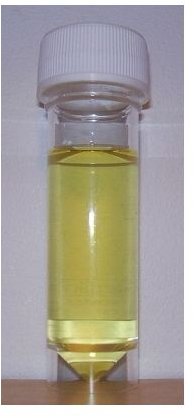
Image courtesy of https://commons.wikimedia.org/wiki/File:Weewee.JPG (in the public domain).