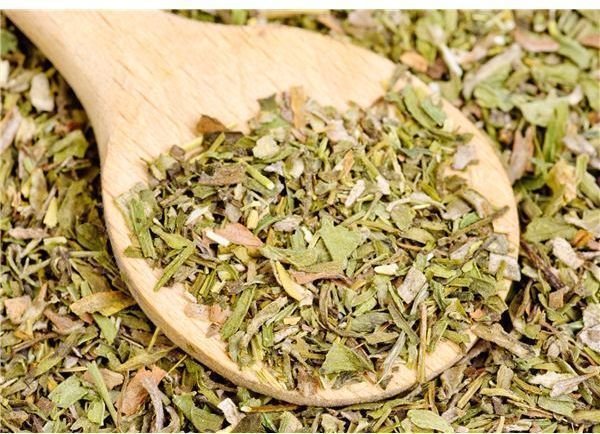
Would you like a side of salmonella with that sprinkle of pepper? The USDA recently released reports that high levels of salmonella have been found in imported spices. Learn the details here and what you as the consumer can do about it.
The USDA recently noted that many imported spices from both Mexico and India contain very high levels of salmonella. What is more, over 8% of all infected spices contain a strain of salmonella that is resistant to bacteria. Coriander, oregano and basil top the list for having the highest infection rate; however, other spices that are of concern include curry powder, sesame seeds, cumin and pepper.
Interestingly enough, it is pepper that is of the greatest concern to the USDA and the medical community. Salmonella cannot survive high temperatures and is therefore destroyed when contaminated spices are added to foods cooking on the stove. Pepper, on the other hand, is often added to food after cooking.
What Can Consumers Do?
There are several things you can do to protect yourself from Salmonella food poisoning:
-
Avoid buying spices imported from either Mexico or India; pepper in particular.
Advertisement -
Consider buying whole spices; these are slightly less likely to be contaminated than cracked or dried ones.
-
Pay attention to food recalls. This year, Earth’s Pride and Nina International have both issued recalls for spices contaminated with harmful pathogens. Other companies have recalled Salmonella-infected spices in years past.
Advertisement -
Add spices to the food while it is still cooking so that the heat will kill any Salmonella that may be present in the spices.
-
If you have symptoms of food poisoning, be sure to see a doctor as soon as possible. When providing a list of the foods you ate prior to falling ill, be sure to note which spices were used while preparing the food.
Advertisement
Will Things Change?
Thankfully, it appears that both Mexico and India are working hard to ensure that the spices grown, dried and exported to other countries are safe from harmful pathogens. Indian farmers are adopting safer, more hygienic methods of harvesting and drying spices. Mexico’s chief of food safety inspections noted that all spice exports are checked on a daily basis to ensure that they are safe for consumption.
Many consumers take measures to ensure the food they purchase is safe and free from bacteria. These same individuals also ensure that the food is prepared in a safe, hygienic manner. At the same time, most people do not pay nearly as much attention to their spices as they should. All spices have the potential to be contaminated with Salmonella and/or other harmful substances, particularly those that have been imported rather than grown locally. To avoid falling ill, it is important to choose spices carefully and allow enough time for them to cook so that harmful bacteria will be destroyed.
References
- Salmonella in Spices Prompts Changes in Farming http://www.nytimes.com/2013/08/28/world/asia/farmers-change-over-spices-link-to-food-ills.html?pagewanted=all& _r=2&
- FDA Recalls Oregano http://www.wetpaint.com/moms/articles/2013-07-16-fda-recalls-organic-oregano-facts
- USDA Research Finds Salonella in Imported Spices http://foodpoisoningbulletin.com/2013/usda-research-finds-salmonella-in-imported-spices/
- FDA Recall http://www.fda.gov/Safety/Recalls/ucm176343.htm
- Your Kitchen Spices Can Often Harbor Salmonella
http://www.npr.org/blogs/thesalt/2013/08/28/216550862/your-kitchen-spices-can-often-harbor-salmonella