Fungi can cause infections in many parts of our body; in the blood, on our feet, and inside our ears. And they can affect our sinuses too.
Sinuses
Sinuses are air-filled cavities in the bones of the skull, and when most people talk about them they are referring to the paranasal sinuses which are behind the nasal cavities, eyes and cheeks. They are prone to a number of infections, but fungal infections are amongst the rarest.
These infections occur when fungi in the air are inhaled and deposited in the paranasal sinuses and nasal passageways.
Fungal Sinus Infection Symptoms
Fungal sinus infection symptoms are the just the same other sinus infection symptoms which can include: -
- Nasal congestion
- Sore throat
- Fever
- Pain in sinus cavities
- Lethargy
- Runny nose
- Loss of appetite
- Phlegm buildup
- Toothache in the upper jaw
- Swollen and puffy eyes
- Loss of smell
Types of Fungal Sinus Infection
There are four main types of fungal sinus infection -
Fungal ball - this typically occurs in the cheek sinus and is an overgrowth of fungal elements. It forms a clump of fungal material and the causative organism is Aspergillus.
Treatment: Includes a minimally invasive endoscopic procedure to remove the fungal debris.
Allergic fungal sinusitis - this is believed to be generated by an immune response to fungi that are dispersed in the air. Typically these are members of the Dematiaceous family, including Bipolaris and Curvularia. The infection results in blockage of the affected sinuses brought on by thick fungal detritus and sticky mucus.
Treatment: Includes sinus drainage, minor surgery to remove fungus, steroids (topical and or systemic), allergy immunotherapy and anti-fungal medications.
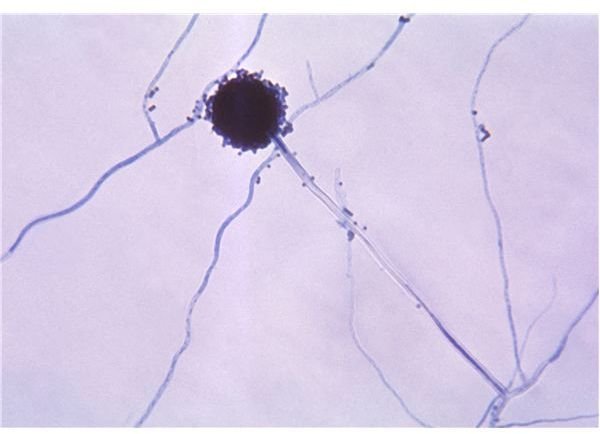
Acute invasive fungal sinusitis - this is a rare condition that typically occurs in patients with a suppressed immune system, such as those undergoing chemotherapy. Fungi typically feed off dead cells but a weakened immune system allows the organisms to feed off live tissue. The fungus reproduces and spreads, leading to a fungal invasion of the eye and brain. Acute invasive fungal sinusitis has a high mortality rate.
Treatment: Surgery to remove fungus anti-fungal medications.
Chronic invasive fungal sinusitis - this fungal infection progresses in a similar way to acute invasive fungal sinusitis but at a much slower pace. Individuals with chronic invasive fungal sinusitis have a normal functioning immune system.
Treatment: Surgery to remove fungus anti-fungal medications.
How Long to Get Rid of a Fungal Sinus Infection?
The answer to this question varies, depending on the individual, the type of treatment and nature of infection. Infections treated with creams and anti-fungal medications can take anywhere between a few days and several months to disappear. However, even if surgery becomes necessary there can be a recurrence of fungal infection. In fact the outcome of any medication or operation falls under three categories;
Immediate recurrence - where the fungal infection starts up as soon as the previous one has been eradicated
Delayed recurrence - the fungus returns, but not immediately. The delay could be a few weeks or months. In extremely rare cases recurrence has been reported to have taken place between 29 and 36 months later.
Complete cure