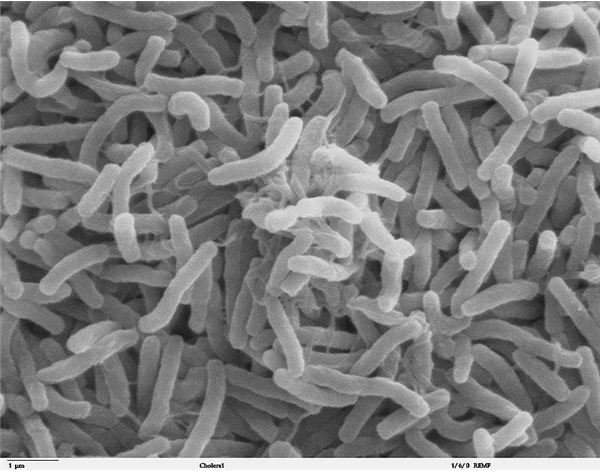
Cholera is a waterborne disease that causes misery to millions. It’s one of the most devastating bacterium to hit the human race. So what is cholera and how is it transmitted?
Cholera History
It was in the summer of 1854 in London that one of the most significant cases of cholera occurred. Its importance lies not in the number of casualties, but for the first time, a doctor challenged the prevailing theory at that time about the cause of cholera and how it was being transmitted. The established belief about cholera back then was that the disease came from bad air (‘miasma’) that entered the lungs. Dr. John Snow was a medical practitioner who proposed that “germs” or what were then known as “animalcules” were the primary cause of this disease and that they were contaminating local water supplies. He located the source of the outbreak to a water pump in Broad Street in Soho. When the pump handle was moved to prevent people from drawing water from it, the incidences of cholera declined.
What is Cholera?
Cholera is a highly infectious disease caused by harmful bacteria called, Vibrio cholerae. The bacteria induce severe dehydration through diarrhoea and vomiting usually in the absence of fever. In the worst cases, death can occur after hours of infection.
Vibrio cholerae employs its deadly strategy by synthesizing and releasing a powerful enterotoxin that forces the small intestine to secrete fluid and electrolytes. The effect of this on the individual is that it leads to rapid dehydration, which can result in multiple organ malfunctions if not treated.
Scientists have studied the molecular mechanisms by which the harmful bacteria can cause so much damage. Adenylate cyclase activates the A1 subunit of the enterotoxin which increases the quantity of cAMP (cyclic adenosine monophosphate) in the small intestine. cAMP prevents the absorption of sodium and chloride by the intestine’s microvilli and at the same time cAMP enhances the release of chloride ions by the crypt cells. Consequently there is a high level of chloride ions in the lumen of the small intestine particularly in the duodenum and in the upper part of the ileum. Electroylytes and water are drawn from the blood and this causes the excessive dehydration.
How is Cholera Transmitted?
Vibrio cholerae bacteria are predominant in various coastal ecosystems, surviving both in tropical and subtropical waters. Infections are made possible by the consumption of contaminated seafood and drinking water infested with these harmful bacteria. After they replicate in a host’s body, they are released as part of the stool.In places lacking sufficient sanitation schemes and proper waste disposal mechanisms, the infection is expected to spread rapidly.
There are many ways that people can avoid exposure to the harmful bacteria in areas where the water supplies are suspect. Health officials recommend that food, especially seafood is cooked properly, that drinking water must be boiled, ice cubes avoided and raw fruit and vegetables shouldn’t be touched unless you peel them yourself. These measures will also prevent infection by other waterborne diseases.
Treated quickly, cholera has a very low mortality rate.