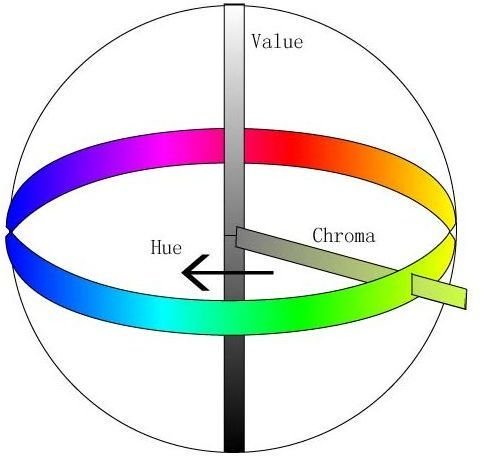
Color is a subject that can make your head spin. It’s such a complex entity that we take for granted everyday as people and designers. The truth is there is a lot of science and color theory history behind it. This article briefly details some of the rich and interesting history behind color.
Color Theory
A major portion of art and design either relies on or utilizes color in some way and, at a first glance, color seems really easy to wield. But if you’ve tried serious coloring you might have realized that it difficult to get the colors to mesh or print correctly. This is because the way the eye perceives light as color and the way that substances combine to make color are different.
Color theory is incredibly involved and has a lot different factors in a lot of different factors that make up color. Color theory has developed over time as different mediums such as pigments, inks, and other forms of media became more complex and easier to produce. There are currently 3 sets of primary colors depending on what materials are being used.
Early Color Theory History
Color theory is something that is heavily woven into our very existence. It’s the theory behind how colors mix and their visual impact. It’s a theory that is believed to be first written about by Leone Battista Alberti in the year 1435 and appeared 55 years later in the journals of Leonardo da Vinci. Sir Isaac Newton went to expand on the theory in his 1704 publication, Opticks. Newton detailed the nature or primary colors and from that point on it became artistic tradition and is sometimes referenced in vision sciences.
18th Century Color Theory
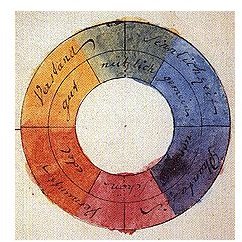
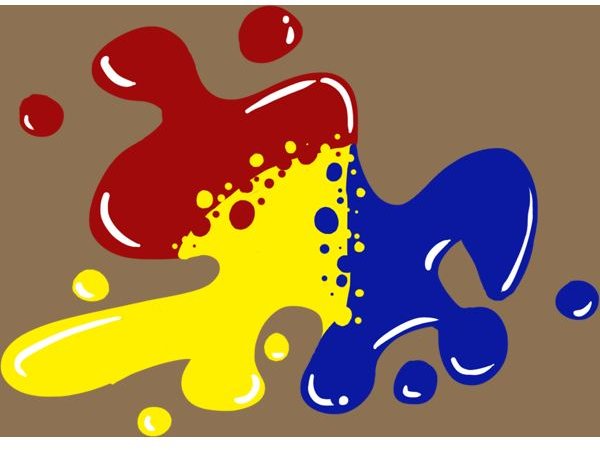
The basis of 18th century color theory was based around the idea that the three primary color were red, yellow, and blue which were considered the colors that equally blended together to encompass all of the hues of color when mixed as pigments or dyes.
Color theory of the 18th century explored the sensory and psychological effects of color. These spawned some of the founding works of of color theory. German poet Johann Wolfgang von Goethe wrote Theory of Colours (an example of the color wheel he developed on the left) and The Law of Simultaneous Color Contrast by French chemist Michel Eugene Chevreul.
Warm and cool colors has been apart of color theory history since the late 18th century, but is not a critical to the sciences behind color theory (though common in design practices).
19th and 20th Century Color Theory
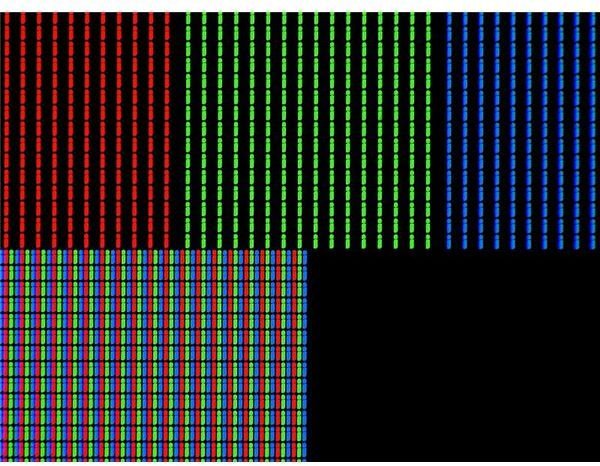
In the late 19th Century the primary colors shifted to RGB (Red, Green, and Blue Violet ) which became the primary colors in additive color mixing. Research showed these primary colors had differing responses to light by the three types of color receptors in the retina of the eye.
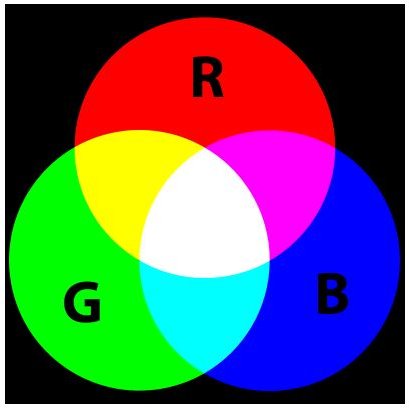
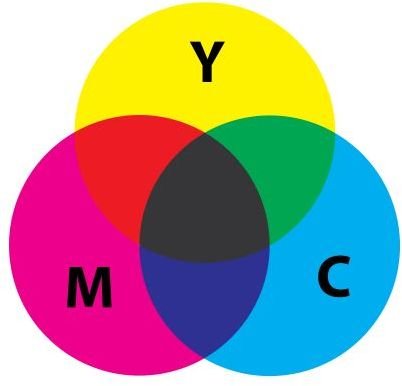
In the 20th Century, industrial chemistry, expanded the range of color through the creation of synthetic pigment which allowed for improved saturation in color mixtures. These were used as an affordable means to take color photography and the most effective color combination became CYM (Cyan, Yellow, and Magenta) and also CYMK (Cyan, Yellow, Magenta, and Black). These became the primary colors for the subtractive color mixing process.
Color Theory Today
Color theory hasn’t developed much further from the 20th century. We still use the three sets of primary colors in some form or another to correctly mix colors depending on the medium.
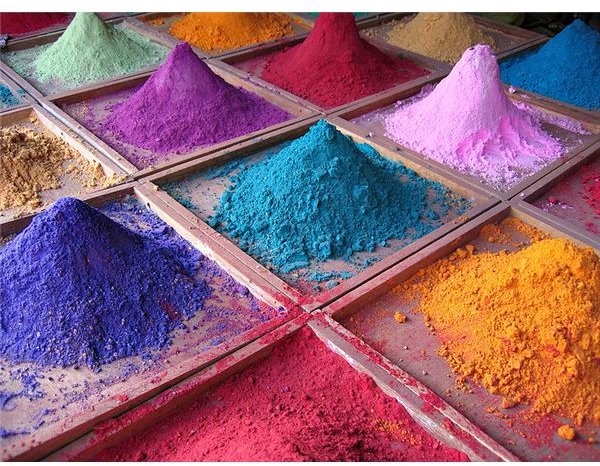
Though we’ve created hundreds of new mediums and synthetic pigments are becoming even more complex, color theory hasn’t matured to create the formulas and explanations as to how different and specific types of media (like LCDs vs Plasma) affect color appearance.
Credits
All images are used for promotional purposes only and are listed in the order they appear.
https://commons.wikimedia.org/wiki/File:Munsell _Color.jpg
https://www.brighthub.com/multimedia/publishing/articles/100272.aspx
https://en.wikipedia.org/wiki/File:GoetheFarbkreis.jpg
https://en.wikipedia.org/wiki/File:AdditiveColor.svg
https://en.wikipedia.org/wiki/File:SubtractiveColor.svg
https://commons.wikimedia.org/wiki/File:Indian _pigments.jpg
https://commons.wikimedia.org/wiki/File:LCD _pixels.jpg