What causes a typhoon is nothing different from what causes a hurricane, because they are both products of low pressure area convergences near the equator. One difference between these two, however, is the direction these convergences will take once they develop either as a typhoon or as a hurricane
What Causes a Typhoon?
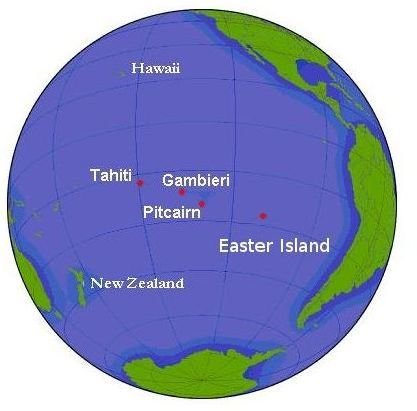
A typhoon starts off as a convergence of air pressure and moisture produced during water vaporization. Later it meets with global westerly winds at a low pressure area in the equatorial region of the ocean. Based on this location, such convergences often occur in the Pacific Ocean, which contains 28% of the water covering the Earth. The size of this particular ocean is said to be several times bigger than the Earth’s total land area. Thus, the immensity of heat transferred by the sun and the moisture produced during water vaporization are the causes of a typhoon formation in the Pacific and near the equator.
If excessive amounts of moisture and large scale air pressure meet up with strong spinning winds, the low pressure convergence becomes a tropical cyclone __. Instead of simply travelling vertically upwards, a clockwise spinning wind will influence the low pressure system to travel to the west of the International Dateline towards the Northwest Pacific Ocean Region. If this tropical cyclone reaches a sustained surface wind of 74 mph (or 64 knots, 119 kph) or more, then the tropical cyclone becomes a typhoon.
Facts about Typhoons
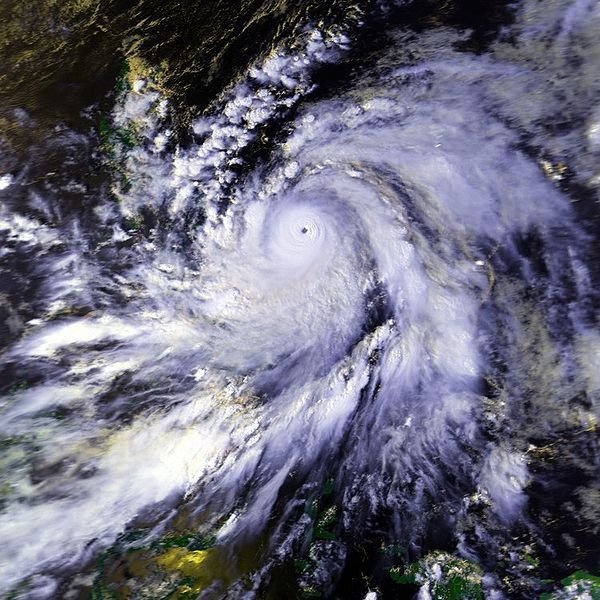
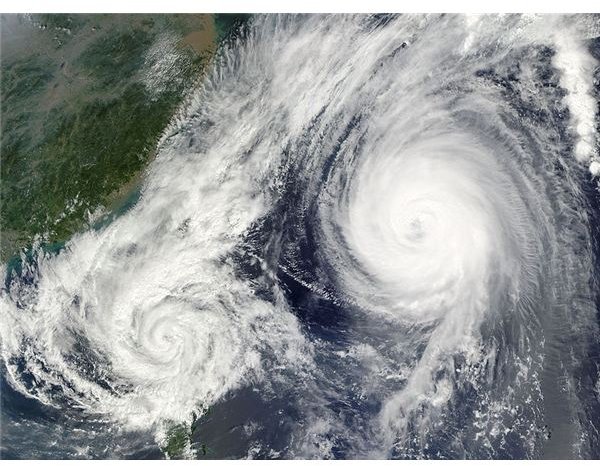
It is said that most tropical cyclones that form in the Pacific Oceans’ equatorial region annually develop into the most powerful typhoons in the entire globe. Eighteen out of twenty-five fully developed typhoons take the Western North Pacific route, and only a few tend to be migratory and visit the Northern Hemisphere as hurricanes. The countries most often visited by almost all typhoons spawned annually in the Pacific are the Philippine, China and Japan, from April to December. It is during the months of July up to October, when the greatest number of typhoons that usually carry winds of about 130 knots and are an estimated 600 miles in diameter, visit the countries located in the North West Pacific regions, particularly the Philippines.
In fact, the tropical cyclone may enter the Pacific areas of these countries and bring on torrential rains and flooding even at a tropical depression stage. While in the North Western Pacific Ocean, it may meet with more winds and will pick-up speed to sustain and develop low pressure depressions into full-blown typhoons as they enter the country. In some instances, a tropical cyclone will combine with another tropical depression and then form what is known in the Philippines as a Super Typhoon

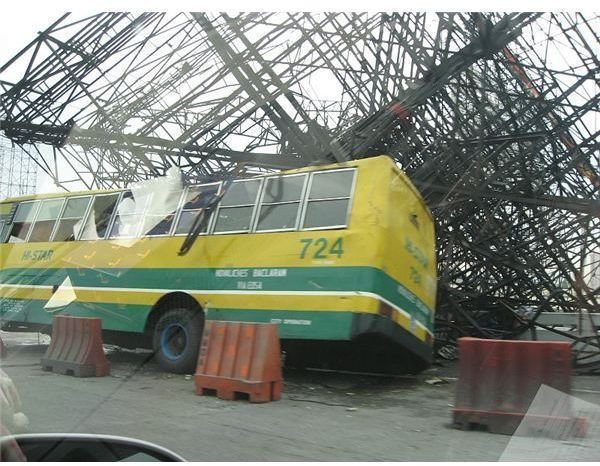
A country’s topography can also affect the amount of rain that a typhoon will release in an area, particularly if the typhoon’s path will move against mountain ranges. The low lying areas of the countryside surrounding the mountain ranges will receive considerable amounts of rainfall that can flood flat terrains for days, weeks and even months.
In recent years the modernization in some of the typhoon-prone countries of this region has caused severe flooding to take place even in the urban areas. Most of the trees in the mountainous outskirts have been cut down to make way for residential subdivisions, while the rock boulders have been quarried to provide for construction materials. Hence, the occurrences of landslides and mudslides have added to the problems brought about by these typhoons.
What Happens if the Causes of Typhoon Take Another Course?
Creation of typhoons is unavoidable because the North Western region is near the vast Pacific Ocean’s equatorial area. This is where the extreme heat of the sun and the equator often creates low pressures from greatly heated ocean water, and combines with the north westerly winds spiraling near the equator.
Otherwise, an easterly wind that has been deflected towards the west may meet up with a low pressure convergence, and form into a potentially powerful hurricane instead of a typhoon. This type of weather disturbance will now proceed towards the Northern Hemisphere.
To understand the creation of tropical storms in the Atlantic ocean, and why they visit the European and North American countries, see the complete discussion on how a tropical cyclone becomes a hurricane instead of typhoon, in the article about Hurricanes, Cyclones, Tornado: Definitions and Differences .
Reference Material and Images Credit Section
Reference Materials:
- https://library.thinkquest.org/3741/facts.htm
- https://geography.about.com/library/cia/blcpacific.htm
- https://kids.earth.nasa.gov/archive/hurricane/movement.html
- https://www.irbs.com/bowditch/pdf/chapt36.pdf
Images
- Wikimedia Commons