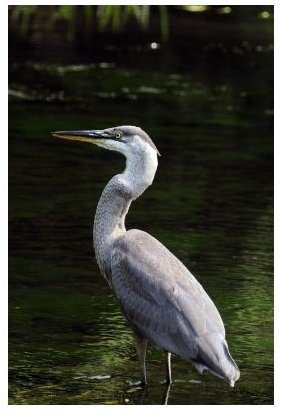
Wetlands are by far one of the most important components of our ecosystem. They not only provide a sanctuary to a number of animal species, but also provide great benefits to humans. For example, wetlands can reduce flood, recharge ground water, and moderate the local climate.
Why Should You Care About Wetlands?
Have you ever wondered why you should care about wetlands, - let alone why you should care about abiotic factors of wetlands. Humans tend to ignore things that we do not see, but in fact, wetlands have profound impacts not only on a number of animal species and humans, but on the entire ecosystem. First, wetland is a natural buffer to reduce flood. In a event of a flood, wetlands have great ability to temporary hold a large volume of water, and discharge it later at a much slower rate. Second, wetlands reduce and eliminate soil erosion. Soil erosion can be a huge problem in certain areas, because it reduces soil richness, thus reducing or eliminating the usefulness of the land to us. Wetlands can trap not only the soil that is eroding away, but also the nutrients that water carries with it. Wetland plants return them to the nutrient cycle. Third, wetlands can improve area water quality. Many case studies have shown that wetlands can reduce soil pH and filter out unwanted particles in the water. Finally, it supports a diversity of wetland animals that humans utilize for food and recreational purposes.
These are just a selection of important wetland functions. In reality, wetlands are beneficial in many more ways, and it is all thanks to the abiotic factors of wetlands, which affect wetlands in a profound way.
SO What Are the Abiotic Factors of Wetlands and Why Are They Important?
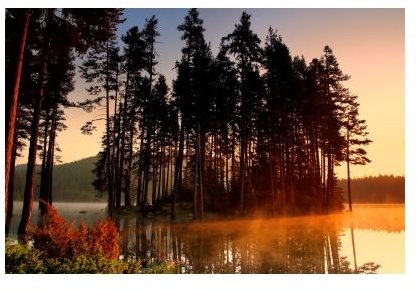
To answer this question, you must understand what are abiotic factors. Abiotic factors are the nonliving components such as plants, soil, chemical, nutrients, and physical factors in our ecosystem. In essence, wetlands abiotic factors are the supporting components of the wetland. Everything you see and feel in wetlands are supported by wetlands abiotic factors. For example, wetland plants can provide shelter and food for many species of wetland fish. Wetland plants can also purify water in a way that will allow certain fish species to move into the downstream area. In one case, a stream in Pennsylvania was too acidic for native trout fish to survive due to the result of heavy mining. After the Pennsylvania Department of Environmental Protection created several artifial wetlands above the head of the steam, the wetlands were able to reduce water pH in a way that will allow native trouts to move back to their native habitats. It has been a show case for other state agencies across the country. Furthermore, wetland habitat in general supports many bird and land species. It again provides an assortment of food and shelter.
While it is important for us to see the result, we must not forget that all this positive feedback is the direct result of wetlands abiotic factors. Without it, we will not be able to enjoy all the great benefits of wetlands.
The Impact of Abiotic Factors of Wetlands to Biodiversity
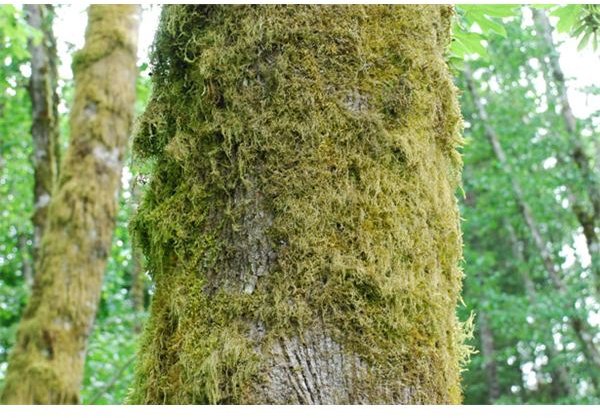
Abiotic factors of wetlands, such as a decaying log on the wetland floor can greatly improve biodiversity. Abiotic factors of wetlands create horizontal and longtitudinal structure diversity. This enables more different type of animal species to move into the same area of the wetland. In essence, it creates a large selection of niches which the animals may occupy Furthermore, research has shown that with greater biodiversity comes greater resistance to extreme environmental disruptions, such as fire, droughts, and insect outbreaks.
Resources:
https://www2.pwsd76.ab.ca/biodiversity/photo.htm
https://www.tpwd.state.tx.us/landwater/water/habitats/wetland/ecology/index.phtml
https://ms.cusd220.lake.k12.il.us/Student%20Work/Rupsch/Period%205/jakeb5r/BioticFactors.htm
https://www.amherstnh.gov/acc/wetlands/benefits.html
https://www.dnr.state.mn.us/wetlands/benefits.html
Image Credits:
https://www.freedigitalphotos.net/images/Birds _g52-Great_Blue_Heron_p17494.html
https://www.freedigitalphotos.net/images/Sunset _And_Sunrise_g108-Under_The_Sun_Rays_p18116.html
https://www.publicdomainpictures.net/view-image.php?image=7386&picture=mossy-alder-tree