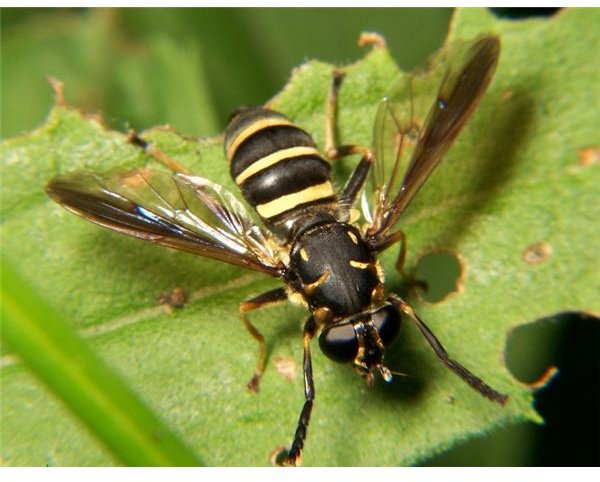
Some insects affect crops and gardens by eating or destroying them so many people assume insects co-existing with their plants is a bad thing. However, this is not necessarily true. Only a small percentage of bugs are harmful to plants, while most species help protect, nourish and pollinate them.
What Makes a Bug Helpful?
Gardeners and farmers usually view insects as their enemies. This is because their experience with insects is negative and includes encounters with the infamous cutworms, cornstalk borers, army worms, potato beetles, and others. If you are struggling to name 3 helpful insects, the most common ones are eaters, pollinators and fertilizers.
The good insects, which are far more numerous than the harmful specimens, stay out of sight and out of mind, doing their jobs and providing constant nourishment and protection for all plants, whether they are garden flowers or utility crops.
Unfortunately, these beneficial insects, many of which are necessary to maintain an ecological balance, are also targeted by the pesticides used to kill the harmful bugs or prevent infestations. This leads to poorer crops, weaker plants, and disruption of the local ecological cycles. The use of such pesticides may even wipe out insect species that larger animals need to feed on.
It is important for homeowners and crop-growers alike to appreciate the jobs helpful insects do. The roles differ from area to area but the duties fall into three main categories: Insects that eat the harmful specimens and eliminate the damage they do, insects that pollinate flowers, and insects that fertilize the soil.
Eaters
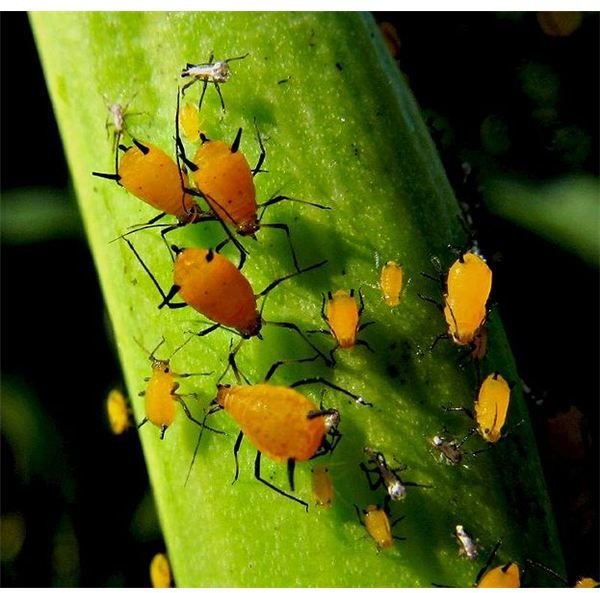
There are many types of predator insects, which devour the harmful specimens that are attacking your plants. Some of the more famous examples are the lady beetles, which eats aphids, the dragonfly, which takes care of mosquitoes, and the green lacewing, which feeds on aphids, mealy bugs, spider mites, and other harmful bugs. There are also many species of wasp that weed out these plant eaters.
Flowers are one of the easiest ways to attract the bug-hunters, since most predatory insects use flowers to congregate, find mates, lay eggs, and look for prey. The key to letting them do their work is often patience, since the population of harmful bugs will grow faster than that of the eaters, thus leading to a waiting period in which the two are balancing. Eventually, the eaters will dominate, and then move on when the threat is neutralized.
There are several ways to attract these helpful predators that range from making sure plants are healthy to growing specific flowers or shrubs that the eater bugs will enjoy. If you are forced to use a pesticide to control a severe outbreak, make sure it is a bug-specific variety that will be less harmful to the insects that are on your side.
Pollinators
Other insects pass through crops, pollinating the flowers while collecting the pollen for food or scavenging for mates or tasty meals (think bees). These insects are most commonly recognized as beneficial, and many farmers set out bee hives to attract bees to help pollinate their fields at the proper times.
These insects, which include butterflies and other winged varieties, thrive on healthy plants and can be encouraged by using natural compost and adding water sources for them to drink, allowing them to journey farther and pollinate more flowers in one trip. Water sources can attract birds and frogs, which give your plants additional protection.
Fertilizers
This category is not limited to just centipedes and earthworms but includes many crawling bugs that prefer to live under the shade of garden plants, such as ground beetles, pirate bugs (which also feast on the plant eaters), and fly maggots. These bugs add nutrients to the soil, do their own mini-mulching, and contribute to the soil when they die and decompose into the earth.
They can be encouraged by keeping a clean soil cover, which will serve two purposes. First, removing weeds and dead detritus encourages these fertilizers to explore and to spread farther across the soil, and second, it removes some prime estate for plant eaters, which love to hide in weeds and decaying plant material.
Chemical Dangers to Beneficial Insects
Pesticides which are used to rid gardens of harmful insects are often indiscriminate, and even those that target specific pests can accumulate in the soil and plants, eventually posing a danger to other insects as well. If the pesticide works and the target species is destroyed, this can sometimes create another set of problems, since the helpful predator species will no longer have bugs to consume. They move on to greener pastures, and your plants are left exposed for another attack.
A similar scenario occurs with generic pesticides that target all insects. The beneficial bugs are killed along with the others, and when a new infestation occurs, there are no predator species available to counteract it, so the plant eating bugs increase in numbers very quickly, unhindered by competitors or natural predation. If pesticide use is continued, harmful insects build up a resistance to it by eating plants that have absorbed the chemicals through their roots.
Protecting the Good Bugs
Some gardeners go so far as to plant the eggs of predatory insects to clean up pest problems, which is a natural and poison-free solution that takes more time to get started but will harm neither your plants nor your soil. Use a reference table , which shows you how many eggs to plant and provides examples of the best insects to use for solving specific problems. For instance, planting spined soldier bugs takes care of potato beetles or using predatory mites eliminates their more harmful cousins, the European red mites.
Purchase the eggs at local nurseries or order online, but if that seems like too much trouble, just include helpful plants in your garden instead. Focus on varieties such as coriander, buckwheat, dwarf sunflowers and so forth that attract and protect beneficial insects. These plants require minimal care and many are ornamental as well and add bursts of color to your lawn or garden.
Resources
Patt, Joseph M., “Beneficial Insects in the Garden,” https://www.uri.edu/ce/factsheets/sheets/beneficialinsects.html
Webb, Susan E. and Johnson, Freddie A., “Insect Managment in the Home Garden,” University of Florida IFAS Extension, https://edis.ifas.ufl.edu/VH036
Author unknown, “Managing Insect Pests in Vegetable Gardens,” Cornell University, https://www.gardening.cornell.edu/homegardening/scene9deb.html
https://www.diynetwork.com/diy/ip_beneficial_insects/article/0,,DIY_13969_2269858,00.html
Image Credits
Feverfew by Vsion under CCA by 2.5
Milkweed - or oleandar -aphid, Aphis nerii by aroid under CCA by 2.0
Syrphid fly Temnostoma by Bruce Martin under CCA by 2.5 SA