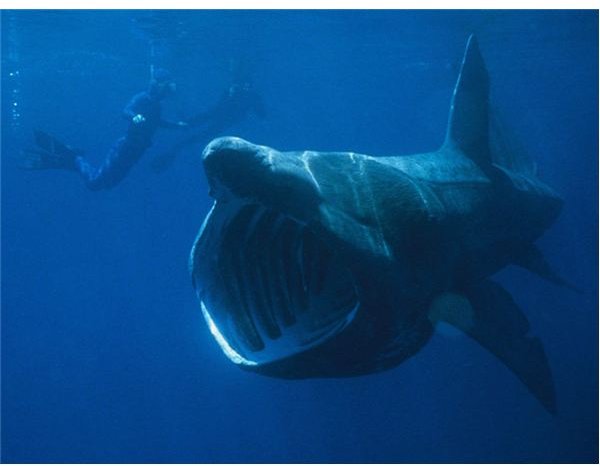
Sharks are not the menacing man eaters that the movies have made them out to be, in this series we take a look at the many species of sharks currently being threatened around the world starting with these slow moving filter feeders.
To spite the exaggerated killer, man eating image that sharks have gotten over the past few years, sharks are an extremely important part of the oceans ecosystems. Unfortunately, nearly a quarter of the various species of sharks around the world are currently over exploited; many to the point of probably extinction.
Like many different species of marine life, sharks have fallen victim to habitat loss, pollution, and decreasing food supplies as well as sports fishing where they are slaughtered by trophy hunters. This along with fear and little understanding about the true nature of sharks and their vital role in the ocean’s ecosystem has lead to a disturbing drop in the number of shark species around the world.
To spite the blood thirsty hunters that people often associate with sharks, most sharks present no threat to humans and in fact there are some that are not even hunters at all. In this look at endangered sharks from around the world we will take a brief look at three such sharks which are known as filter feeders including the basking shark, the whale shark, and the megamouth shark.
Filter feeders are so named because they have rather large mouths with a jaw that allows them to use their mouth like a type of net. They take in the water around them and then filter out of it the food that they need for their survival which include plankton, krill, and algae.
Basking Shark:
A rare and slow moving sharks that inhabits waters ranging from temperate to cold in climate from New Foundland to Florida. Weighing up to 19 tons at a length of over 40 feet the basking shark is a large but harmless shark.
Whale Shark:
Classified as the largest species of fish found in the ocean today, the whale shark prefers warmer to tropical waters and can be found
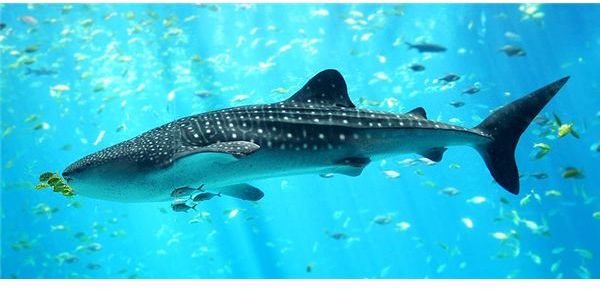
in the open sea off the coasts of Western Australia, the Philippines, Madagascar, and other locations. Whales sharks have been noted for this spotted coloring of light spots scattered among its gray almost blueish skin which has earned it the name of “Marokintana” in Madagascar which means “many stars”.
Megamouth Shark:
Perhaps the rarest of all species of sharks, the Megamouth shark is a deep sea species that was not discovered until 1976. Megamouth sharks can grow to a length of 18 feet, weighing over two tons. With less than 50 sightings in the past year or so and due to the depths at which they spend much of their time (120-160 meters), very little is known about the Megamouth shark so their conservation status is uncertain.
The more that we begin to understanding these beautiful animals the more myths that can be dispelled about sharks so that hopefully with due diligence we can keep these sharks from becoming extinct and to preserve the already fragile and endangered balance of the world’s oceanic ecosystem.
To learn more about these sharks, check out the Species Spotlight on Whale Sharks.
This post is part of the series: Endangered Sharks Around the World
A look at the variety of shark species around the world and the threats that they face.