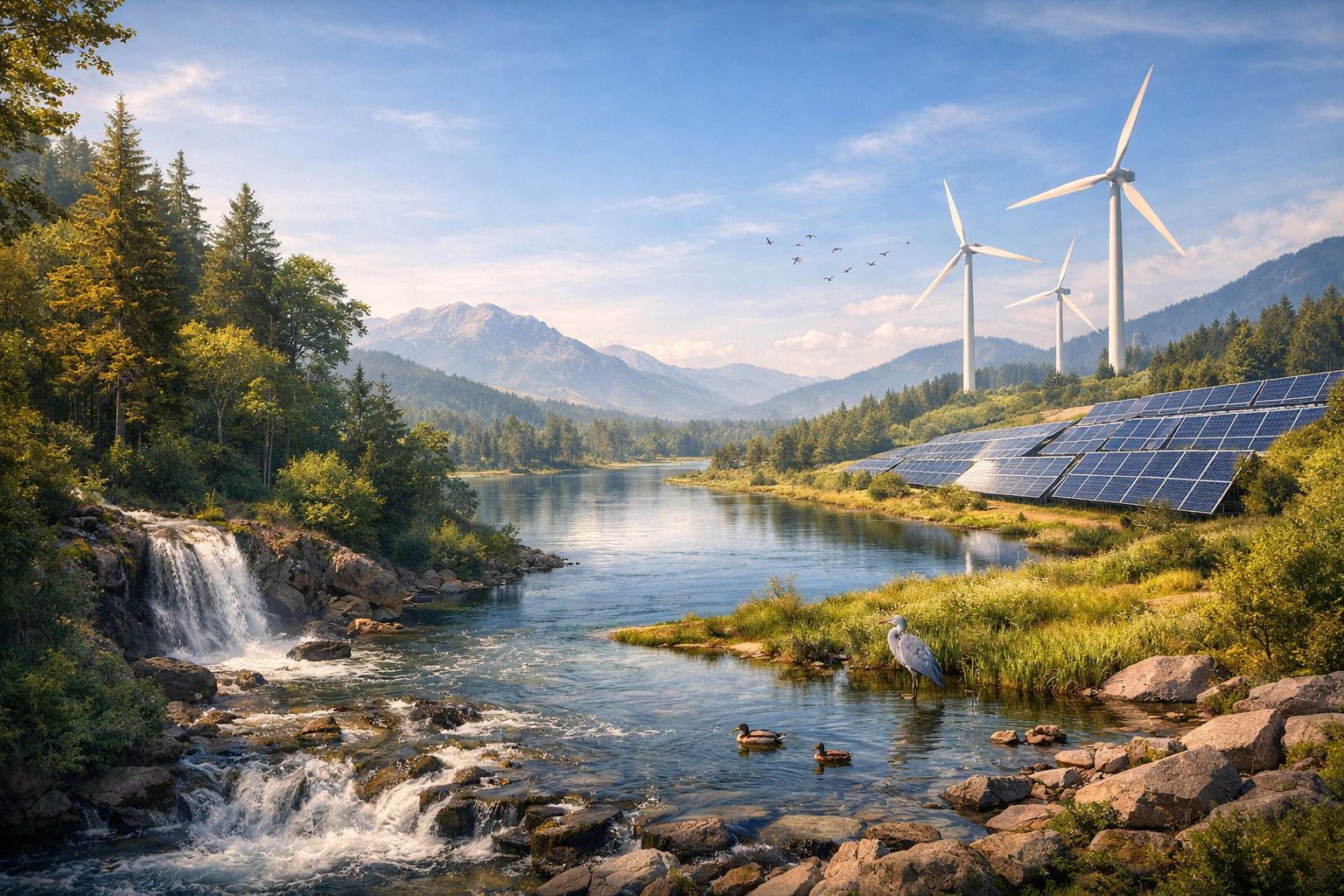
Irresponsible forestry practices can take a disastrous toll on the forests that we depend on. Without a healthy management of our tres, we will see a decline in wildlife, plant communities, ecosystem health and it increases the effects of global warming. Read on to learn more.
The Importance of Sustainability
Trees have become a major commodity that we use to provide pulp for making paper, producing furniture, building homes and more. In order for the demand of paper not to exceed what the industry can supply in an environmentally sustainable way, it is important that we reduce the pressure to harvest trees for this paper and other products. The solution is to supplement by making paper out of fiber that does not come from trees and using alternative resources for other tree based products. Tree-free paper can be produced by a fast-growing plant called kenaf which is considered one of the best alternatives to wood-based paper.
Unfortunately, this industry isn’t quite ready to abandon the old way of doing things. Along with alternative sources for paper and other products that trees are used for, it is also important that we seek ways to sustain our forests in the threat of the logging industry. Here are a few possible solutions.
Sustainable Forestry Solutions:
-
Identify and protect forest areas that are high in native biodiversity
Advertisement -
Practice selective cutting and strip cutting
-
Avoid clear cutting on steep slopes
Advertisement -
Prohibit the logging of old growth forests
-
Avoid building roads in areas of forest that are uncut
Advertisement -
Allow dead standing trees and fallen timber to remain in the forest to serve as habitat for wildlife and a source for nutrient recycling
-
Plant tree plantations on deforested and degraded land
Advertisement -
Purchase certified timber that is grown by sustainable methods
There are many reasons why protecting our forests is so important. The degradation of forests can result in a broad range of environmental problems. Forests that are deforested result in decreased soil fertility from the increased rate of erosion. Also, the runoff of the eroded soil finds its way into aquatic ecosystems causing sedimentation and a decline in water quality. And the problems from erosion don’t end there. Erosion also increases the impact of flooding.
In addition to problems related to erosion, deforestation also takes away valuable habitat for native species of wildlife including insects, birds, and mammals. Loss of trees also results in the loss of specialized plant or animal species that serve a specific niche.
And what is possibly the worse repercussion of deforestation? Increased levels of carbon dioxide in the atmosphere. The more trees, the better when it comes to taking carbon out of the air.
So ensure that you make smart, informed decisions when it comes to plant and tree-based products. Let’s make sure that our forests are healthy, productive and most importantly, sustainable!