Owls are interesting creatures. They seldom make their own nests; rather, they take over the nests or homes of other creatures. A very ingenious bird, owls live in trees as well as in burrows in the ground or cavities on rocky mountain faces.
Home Sweet Home
The owl’s natural habitat occurs wherever owls are able to find enough rodents and other small creatures to sustain them. Owls make their homes on every continent with the exception of Antarctica. Ingenious creatures, owls adapted to various environments, laying their eggs in squirrels’ nests, woodpecker cavities, prairie dog burrows and even the rafters of barns or belfries.
Since humans are the only real threat to owls, knowing how to preserve owl habitats from human encroachment is a topic of great concern. Presently, there are over 30 owls on the endangered species list worldwide.
Forest Habitats
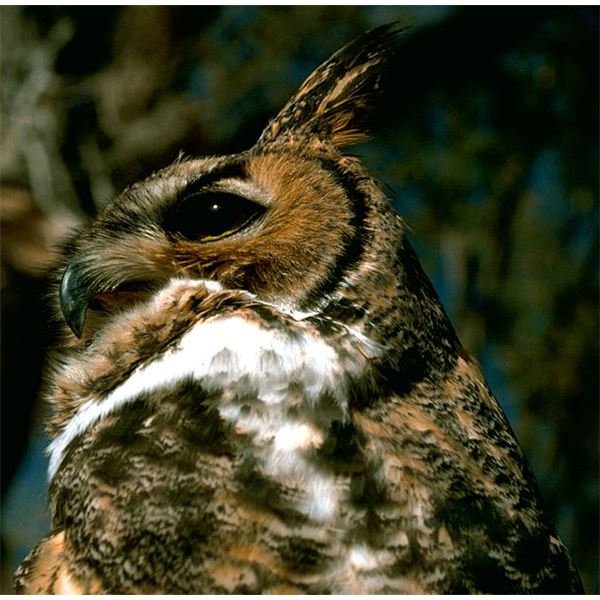
In forests and rainforests, owls maintain the balance of life by feeding on rodents, snakes and small animals. They most often take over the nest of squirrels or other large tree dwellers. Some owls, like the Great Horned Owl, will lay their eggs in hollow trees, rocky caves, clumps of witches broom, abandoned buildings, or artificial platforms.
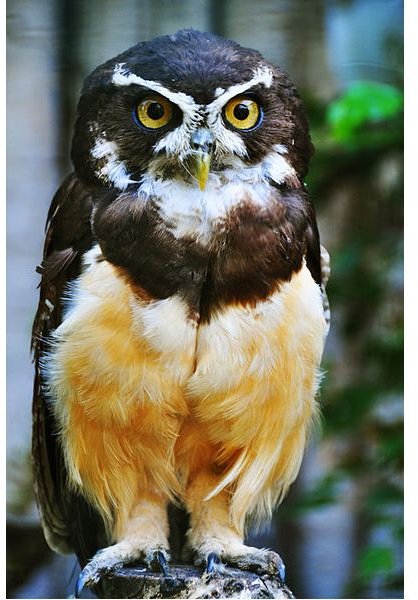
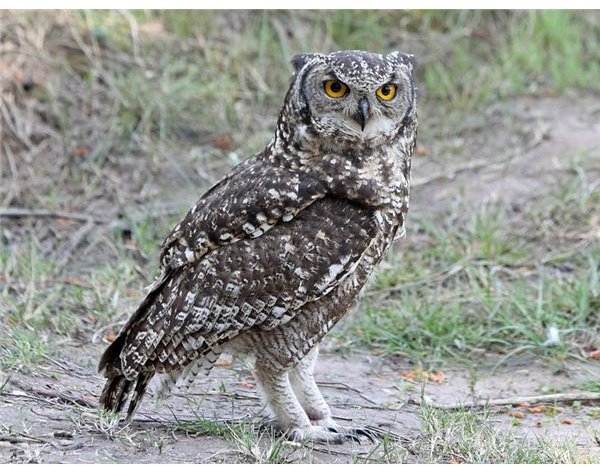
The rainforests of Africa and the Philippines are home to Eagle Owls, while wood owls hunt the tropical rainforests. The Spectacled Owl, a member of the wood owl family, lives in the Amazon rainforest.
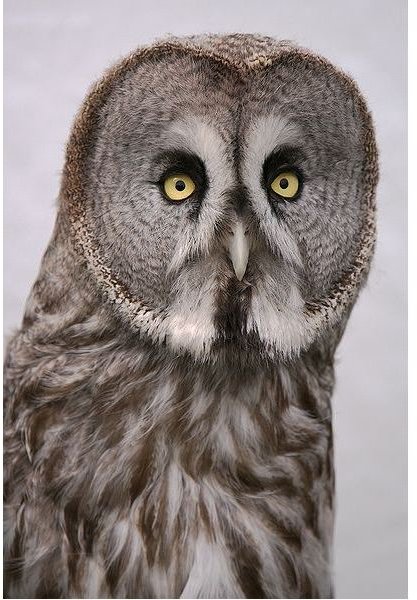
In the forests of North America, Europe and Asia, the Great Gray Owl survives the elements living on rodents, even during the winter months, when it dives into the snow to capture its prey.
Forests and rainforests are endangered habitats due to clear-cutting for lumber and farming as well as the carelessness of humans. Forest fires destroy huge areas of forest every year. While lightening causes some forest fires, many start by a thoughtless disposal of a match or a fire left unattended.
Forest Owls
Fields, Prairies and Savannahs
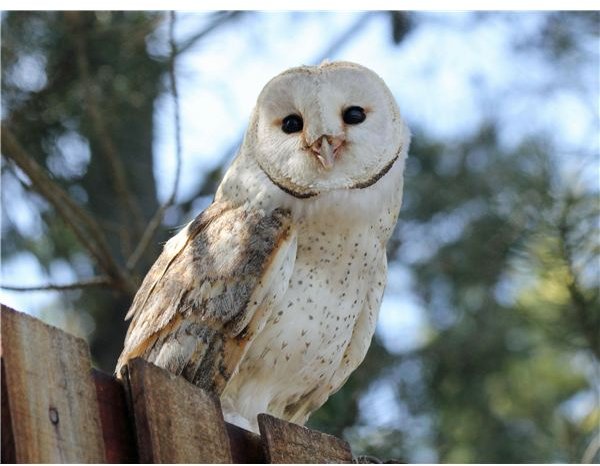
An owl on a farm is a blessing because they keep the mice, rats, snakes and other rodents from damaging the crops and eating the produce after harvesting. The most common owls found around fields and grasslands are Barn Owls and the Burrowing Owls.
Barn Owls will nest in the rafters of barns, thus their name. Where, however, do owls nest around fields, prairies, savannahs, meadows or golf courses?
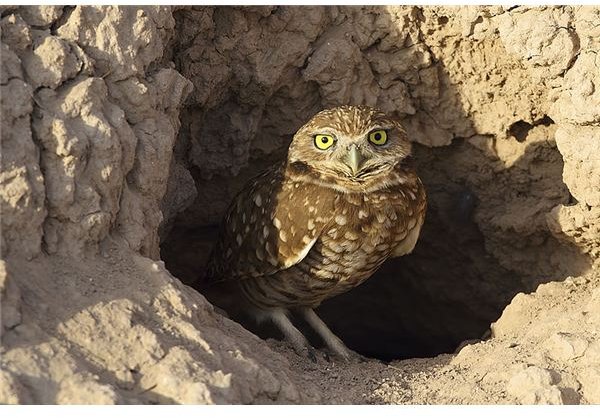
Burrowing Owls receive their name from their preference to nest in the ground. Burrowing Owls typically occupy the burrows of prairie dogs, ground squirrels or other burrowing animals. However, when a burrow is unavailable, the owls excavate their own burrow or nest in an open, manmade structure such as an old drainpipe.
Burrowing owls’ habitats are becoming increasingly endangered due to climate change and destruction of prairie lands from encroachment by humans, which have diminished the number of burrowing animals. Burrowing owls are endangered in Canada. In the U.S., their habitat is under careful watch by environmentalists, while in Mexico, the burrowing owl is on the threatened list.
Grassland Owls
Frozen Tundra to Dry Desert
The range of habitat for owls spans both frozen tundra and desert sands. This amazing species of bird adapts to almost any climate or environment.
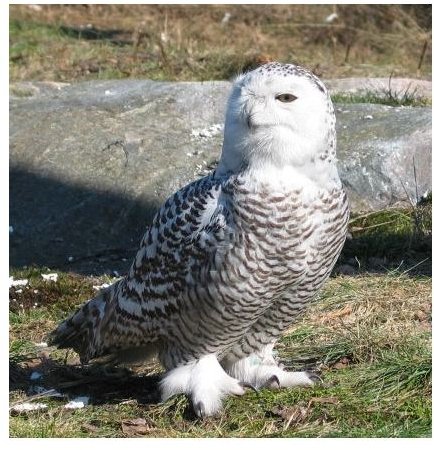
The habitat of Snowy Owls crosses the northern portions of North America, Europe and Asia. Summering in the tundra and wintering the more southern areas of the north, Snowy Owls actually dive into snowdrifts to catch their prey.
Unfortunately, this beautiful bird’s habitat is diminishing rapidly due to global climate change. Like the polar bear, the Snowy Owl depends on the frozen tundra for nesting and raising its young. As climate change destroys more of the tundra, its habitat is slowly disappearing.
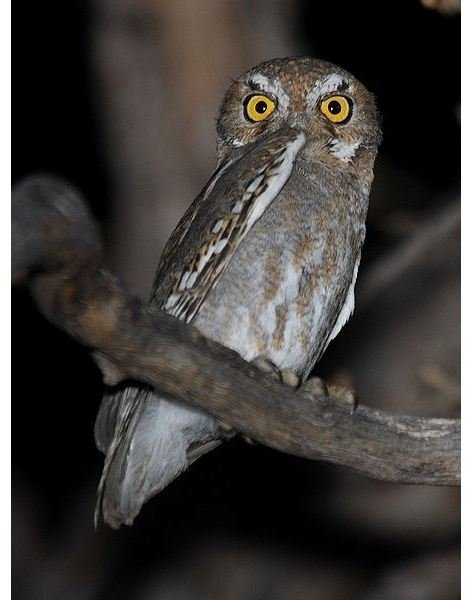
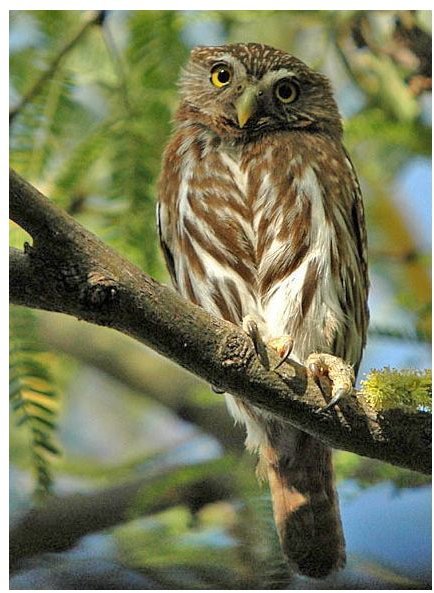
In the complete opposite environment of the desert, the tiniest of owls lives. The Elf Owl, only five inches in length, makes its home in the abandoned woodpecker cavities made in the giant saguaro cacti of the desert. Cactus Ferruginous Pygmy-owls will also nest in these abandoned homes.
The tiny Elf Owl is on the endangered list in California where efforts to save them such as creating nesting boxes, captive breeding and habitat restoration are underway.
Tundra and Desert Owls
Habitat Protection
Owls, as a species, may adapt to their environment well, but their habitats around the world are in danger of destruction. Protecting the natural habitat of owls is imperative to the balance of the food chain, whether in forests, grasslands or frozen tundra. Owls keep animals and insects that breed prolifically from overrunning areas of the world. Learning how to preserve owl habitats, how to protect the fragile biomes in which they live as well as how to live in harmony with all creatures is essential to bring balance to the entire world.
Resources and References
- Owl Pages: Owls of the World - https://www.owlpages.com/owls.php?location=The+World
- Earth Facts: Rainforest Owls, 2011 - https://www.earthfacts.net/rainforests/owlsrainforest/
- Inch A Pinch: Coniferous Forest Animals, 2009 - https://inchinapinch.com/hab _pgs/terres/coniferous/animals.htm
- Shaw Creek Bird Supply: Elf Owl, 2003 - https://www.shawcreekbirdsupply.com/elf _owl_info.htm
- Peregrine Owl Fund: Typical Owls - https://www.peregrinefund.org/explore _raptors/owls/typicowl.html
Photos:
- Great Horned Owl by Stolz, Gary M. (U.S. Fish and Wildlife Service), under public domain, on Wikimedia Commons
- Spectacled Owl by Olaf Oliviero Riemer under Creative Commons License , on Wikimedia Commons
- Great Grey Owl by Dave Leeming under Creative Commons License , on Wikimedia Commons
- Spotted Eagle Owl by Dick Daniels, under Creative Commons License , on Wikimedia Commons
- Barn Owl by Dick Daniels under Creative Commons License , on Wikimedia Commons
- Burrowing Owl by Alan Vernon under Creative Commons License , on Wikimedia Commons
- Snowy Owl by Mp found under GNU License on Wikimedia Commons
- Elf Owl by dominic sherony under Creative Commons License , on Wikimedia Commons
- Cactus Ferruginous Pygmy-owl by Sky Jacobs Creative Commons License , on Wikimedia Commons