Graphene is a graphite composite material. It has excellent electrical, thermal conductivity, and good mechanical strength. Nano-antennae capture electrical current from infrared energy.
Harnessing Solar Energy
We are actually utilizing minuscule amounts of solar energy. Solar power is unlimited and enormous. The present trend is to exploit maximum solar energy on a day and night basis. The intensity of solar power varies from sunrise to sunset. During sunrise and sunset we feel comfortable and we enjoy a day at the beach. We are blessed with ample doses of vitamin D, which is good for our health. The intensity of heat increases progressively. We can experience the bad effect of ultraviolet sun rays: it is not good for our eyes and skin. Our skin turns a deep tan color which does not revert. We see the sun is moving in a parabolic path. Actually our planet earth is orbiting with respect to a fixed position of the sun.
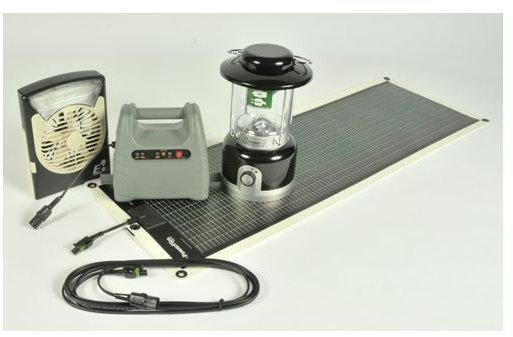
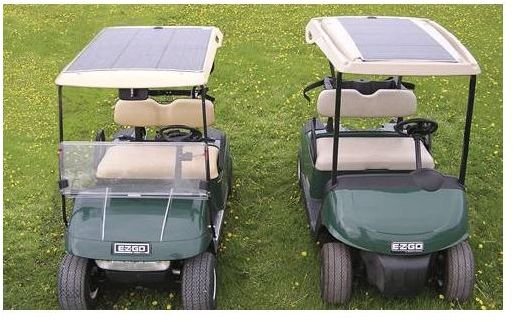
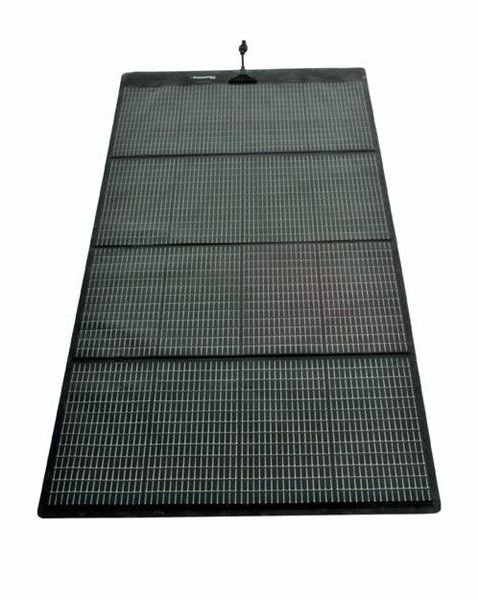
It is advantageous for us to follow these natural facts to maximize utilization of solar energy. The fact is that we have foldable and rollable thin film high efficiency photovoltaic solar panels, but the ideal solution is to have a large parabolic solar panel placed in line with the sun’s path. An auto-controlled RFID mechanism can be used to control the gradual tilt of the parabolic solar panel to and fro.
In order to know the inherent variations of the sun’s wavelengths, we need to measure the wavelengths from sunrise to sunset. This measurement gives factual data. The sun’s wavelength during daytime is different than at night. Hence, sunset to sunrise, we have shortwave infrared invisible waves from the sun. We must also measure the intensity and degree of variations in this infrared energy.
This database will be useful for engineers, researchers, and scientists to create new techniques to modernize and maximize operational efficiency of solar power harnessing.
There are three types of concentrated photovoltaic - CPV.
- Low concentration LCPV – It has 2 – 100 Suns solar concentration. Heat intensity is low. There is no need to cool solar cells.
- Medium concentration MCPV – It has 100 – 300 Suns solar concentration. These require active or passive cooling systems.
- High concentration photovoltaic HCPV –It has more than 300 Suns solar concentration. High capacity heat sinks are needed. Optics are used to intensify solar energy.
- Concentrated Photovoltaics and Thermal –CPTV – It generates heat as well as electricity. Hence these can be used for homes to have hot water and air conditioners using heat energy.
Space ships are stationed in absolute vacuum and are relatively nearer to the sun’s territory. Unlike sunrise and sunset observed on the earth, there is no sunrise or sunset for a space crew.
New Technology for using Solar Infrared Waves at Night
Graphene is a graphite composite material. It has excellent electrical and thermal conductivity and good mechanical strength. Hence it is ideally suited for solar cells. Infrared waves are captured by nano-antennae finely positioned in the flexible thin film high efficiency solar panels. The electrical current is captured by the nanoantennae and fed to an AC/DC converter and then over to storage batteries. Graphene has a densely bonded honeycomb crystal lattice structure.
Solar infrared short wave length at night yields 527 watts and 445 watts in daytime of sunlight visible long length waves.
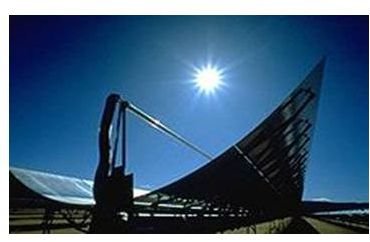
As per our aforesaid concept, it is recommended to use a parabolic solar panel with an auto-tilt facility to exploit maximum output and achieve high efficiency. The to and fro motions of the parabolic solar panel must always be in perpendicular orientation with respect to the sun’s position.
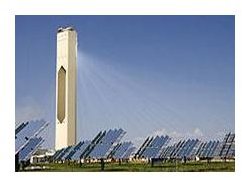
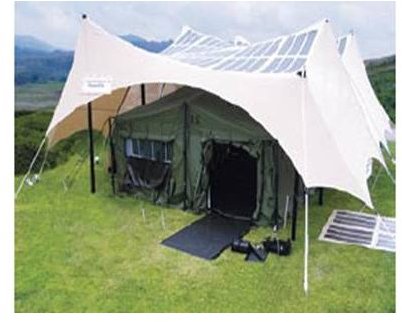
Please see description on the photos
Related Links
www.powerfilmsolar.com/ - reference 6 photos- Permission was granted.
www.wisegeek.com/ - reference website engineering articles -question & answers
en.wikipedia.org/wiki/Graphene –for reference - photos