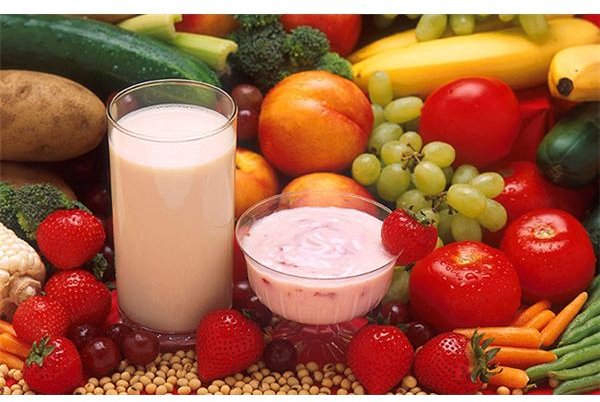
The recent outbreaks of food-borne illness, such as E. Coli, have caused concern about the safety of fresh produce. Is there a way to naturally protect the produce you eat from contamination? Try using an all natural recipe for fruit and vegetable wash to guarantee cleanliness.
Eating fresh fruits and vegetables daily is an important part of staying healthy. However, even it you buy organic or locally grown , there is always a risk of getting dirty or contaminated produce. Fruits and vegetables are often treated with water-resistant agriculture chemicals and pesticides in the field, and then coated with a protective wax for shipping. In fact, by the time it reaches your table, your fruits and veggies have been stored at several locations and handled by many different people. According to the Environmental Working Group, the top ten most contaminated fruits and vegetables are:
- Celery
- Peaches
- Strawberries
- Apples
- Blueberries
- Nectarines
- Sweet Bell Peppers
- Spinach
- Cherries
- Kale / Collard Greens
Pesticides are increasingly being linked to many significant health problems, including nervous system toxicity, hormone system effects, and skin, eye and lung irritation. Fortunately, the passage of the Food Quality Protection Act has helped to make significant strides in imposing higher safety standards, especially for infants and children, as well as completely reassessing all pesticide limits, and acknowledging that pesticides can have cumulative effects on people.
Recipes for Homemade Produce Wash
Using an all natural recipe for a fruit and vegetable wash with lemon has been proven to effectively remove excess wax, dirt, toxins, and pesticides significantly better than water alone. The reason is that the acid in lemon juice helps to kill bacteria and dissolve the wax and residues found on the skins of your fruits and veggies. The following recipes are simple to follow and are not harmful to you or the environment.
- 1 tbs. lemon juice
- 2 tbs. distilled white vinegar
- 1 c. water
Combine ingredients in a spray bottle and shake well. Spray on your produce. Let sit 5 minutes and scrub well.
- 1 tbs. lemon juice
- 2 tbs. baking soda
- 1 c. water
Combine ingredients in a deep container. Pour into a spray bottle. Spray on your produce. Let sit 5 minutes and scrub well.
- 2 tbs. baking soda
- 2 tbs. lemon juice
- 1 c. vinegar
- 1 c. water
Combine ingredients in a deep container. Pour into a spray bottle. Spray on your produce. Let sit 5 minutes and scrub well.
- 4 tbs. salt
- 1 medium lemon
Dissolve salt in a large bowl of cold water. Add lemon juice. Soak berries for 10 minutes and other produce for 20 minutes. Rinse well.
Tips for Fresh Produce Preparation
When handling fresh fruits and vegetables, it is important to take many of the same precautions as when handling raw meat, fish or eggs. It is essential that you always wash all produce thoroughly before cooking or eating raw. Additional tips for safe handling of produce include:
- Do not purchase anything that has broken skin as the inside will be contaminated.
- Always use a scrub brush when washing produce and rinse well.
- Never use soap to wash your fruits and veggies.
- Discard outer leaves of leafy vegetables.
- Scrub the outside of melons and oranges to avoid cross contamination when cutting.
- Always cut produce on a clean, plastic cutting board.
- Clean and sanitize your refrigerator produce drawer and cutting board regularly.
By following these tips and whipping up one of the simple, eco-friendly recipes for fruit and vegetable wash, you are sure to have chemical and bacteria free food!
References
Environmental Working Group: Shopper’s Guide to Pesticides - https://www.foodnews.org/fulllist.php
Food Quality Protection Act: https://www.fda.gov/RegulatoryInformation/Legislation/FederalFoodDrugandCosmeticActFDCAct/SignificantAmendmentstotheFDCAct/ucm148008.htm
Image Courtesy of: WikiMedia Commons - Peggy Greb