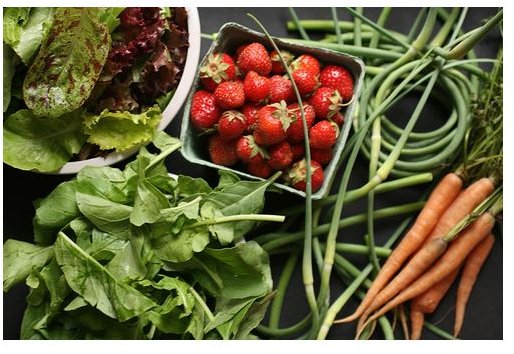
Learn about the best organic vegetable plants for starting an organic vegetable garden, including which plants are easy to grow with organic gardening techniques and likely to produce bountiful yields,
Going Organic
Growing organic vegetables is a rewarding experience. Relying on natural means rather than chemical pesticides and fertilizers to grow food results in flavorful, completely natural, eco-friendly produce. It does take more effort to grow an organic garden, especially at first when you are first establishing your soil and techniques. Try growing some of the best organic vegetable plants to help you start off on a successful gardening path.
What is Ideal for You?
Determining the best vegetables to grow is a matter of deciding what is right for you. What produce do you usually purchase at the market? Are you a new gardener who wants to start off with one or two very easy to grow plants? Any vegetable can be cultivated with organic techniques. Decide what your needs are and let the following list serve as an inspiration for your organic vegetable gardening experience.
Veggie Ideas
These vegetables can often be found in the organic section of your local market. Unfortunately, they are often quite expensive. Growing what you normally eat on your own is a great way to turn your garden into an efficient, inexpensive source of food for you and your family. All of the following vegetables are also relatively easy to grow, requiring only the basics — nutrient-rich soil, water, soil drainage, sunlight, and protection from pests. Incorporating companion planting is a great way to enhance the well-being of your vegetables.
-
Tomato, companions include asparagus, basil, and pepper
Advertisement -
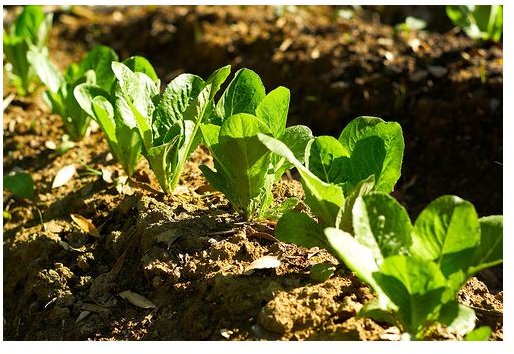
Lettuce, can be grown with everything
 Advertisement
 -
Spinach is a companion with celery, strawberries, corn, and eggplant
-
Squash companions include corn, onions, and radishes
Advertisement -
Cucumbers do well with most vegetables (tomatoes, beans, all cruciferous vegetables, corn, onions, peas, and radishes), but avoid potatoes and strong herbs
-
Peas should be grown with carrots, radishes, cucumbers, and beans
Advertisement -
Beans are another plant that does well with most other vegetables — avoid onions
-
Corn does well with the squash family, beans, cabbage, and early potatoes
Advertisement -
Beets grow well with beans, cruciferous vegetables, onions, and radishes
-
Cabbage, broccoli, cauliflower, and Brussels sprouts can be grown together as well as with cucumber, celery, lettuce, spinach, onions, beans, and herbs
Advertisement -
Onions, companions include beets, cruciferous vegetables, pepper, and strawberries
-
Potatoes grow well with beans, cabbage, carrots, corn, onions, and peas
Advertisement -
Celery can be planted with any vegetable except for carrots, parsley, and parsnips
-
Carrots do well with beans, peas, onions, and cruciferous vegetables
Advertisement -
Eggplant can be planted with beans, peas, potatoes, and spinach
Successful Growth
Choose the best organic vegetable plants for you and then start planning your garden. Be sure to amend the soil with organic compost and other natural nutrient sources. Using organic mulches is a great idea to help with moisture control, to inhibit weed growth naturally, and to add nutrition to the soil as material decomposes. Being aware of which plants grow well together is another way to ensure successful growth. With effort and care you can have all the delicious organic vegetables that you can possibly enjoy.
References
“Easy Organic Vegetable Garden Tips.” (Garden Guides) https://www.gardenguides.com/98175-easy-organic-vegetable-garden-tips.html
“List of Companion Plants.” (Companion Planting) https://www.companionplanting.net/ListofCompanionPlants.html
“Gardening Guidelines.” (Texas Agricultural Extension Service) <aggie-horticulture.tamu.edu/archives/parsons/earthkind/ekgarden.pdf>
“Vegetable Companion Planting Chart.” (Tinker’s Garden) https://www.tinkersgardens.com/vegetables/companionplanting.asp
photo by: Thebittenword.com (CC/flickr) https://www.flickr.com/photos/galant/2570441982/sizes/m/in/photostream/
photo by: Joi (CC/flickr) https://www.flickr.com/photos/joi/506693397/sizes/m/in/photostream/