What does it mean when meat is labeled as free range? Learn the differences between the terms used in labeling beef, pork and chicken and how to make your own determination regarding which is the best for you and your family
Free Range
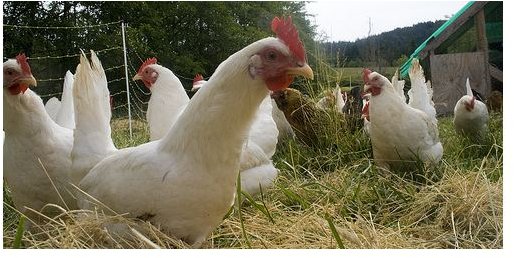
According to the United States Department of Agriculture Food Safety and Inspection Service, in order to receive the label of free range or free roaming, the farmer must allow poultry access to an outside space. The agency does not include other livestock in this definition. It also does not specify how much space should be allocated to the animals or how much time the animals are allowed to access the outside space. Unfortunately, this means that the producer who leaves the door of a chicken coop open for a few minutes a day can technically qualify to use the free-range label. Also, the label does not mean that the animal has not been treated with antibiotics.
Organic
The USDA has stricter regulations for organic products than those for free range . To meet the organic standard , an animal must be raised without growth hormones or antibiotics. There is also an emphasis put on the use of renewable resources and the protection of the environment by avoiding harmful pesticides and fertilizers.
While the organic label does rule out that the consumer will be ingesting meat that contains hormones or antibiotics, it does not specify how the animal has been, or should be, treated. For those whose concern is animal cruelty, the organic label does not offer any guarantees.
Grass Fed
Another label that is often seen is the grass-fed beef label. As it says, this means that the animal’s primary diet is based on grass rather than the standard corn-based feed used in the United States. Grass-fed beef tends to have less fat than cattle raised with conventional feed.
Natural
Seeing this label means that the product has been produced without artificial ingredients, such as added color or flavoring. It also means that the product has been involved in minimal processing. The label itself must specify what has been done to qualify it as being a natural product.
No Hormones and No Antibiotics
For many people, these are important labels to look for because, under USDA regulations, these labels can be used only if the animals were verified to have been raised without the use of hormones and antibiotics. It is already prohibited to use hormones in raising pigs or chickens, but they can still be used in beef. Antibiotics can be used in raising all types of meat-producing animals.
How to Choose
It is important to consider what issues are most important to you and your family. The health issue is often a factor, though research varies on the benefits of free-range or organic products. For many, it is the treatment of the animals that is the first and foremost concern. Here, it is beneficial to look for local producers of meat so that you have a better chance of finding out exactly how the animals are treated. A source such as LocalHarvest.org can help in finding local farmers who are committed to humanely raising their animals.
Now that you have an understanding of how to read meat labels, learn how to navigate through egg labels .
Picture Credit: https://www.flickr.com/photos/wwworks/2606203797/
Reference
Meat and Poultry Labeling Terms