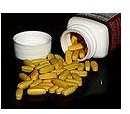
The controversy about health supplements raised consumer awareness regarding the additives and fillers in vitamins. This article delves into the issue that the FDA does not monitor or regulate vitamin supplements but instead relies on the Dietary Supplement & Health Act (1993). Find out what this is
The Lack of FDA Regulations in the Manufacture of Vitamins & Supplements
Unknown to many consumers, there are additives and fillers in some of the vitamins and supplements sold in outlets and stores. Unfortunately, the US-Food and Drug Administration does not regulate the manufacture of this health supplements but instead, relies on the provisions of the Dietary Supplement & Health Act (1993).
This act leaves it to the manufacturers to ensure the safety of the vitamin supplements sold in order to gain their consumers’ trust. Otherwise, if buyers will not find the product efficient or effective; manufacturers will lose repeat sales and will not profit from their production.
These are the conditions by which the vitamins sold in the market today are being manufactured. Hence, it is up to the consumers to be more vigilant with the vitamin supplement they wish to take. Recent studies have shown that one should not just get into the habit of taking in vitamin supplements even if they are widely advertised or endorsed by popular celebrities. It appears that the additives and fillers in vitamins contain high levels of toxicity .
Consumer protection organizations have taken the initiative to check some of them out and the following information were gathered from their reports:
About the Additives Found in Centrum and Possibly other Vitamin Supplements
The chemical supplements used as additives in Centrum are now being considered as questionable. Its manufacturer is said to be using inorganic chemicals as sources of the supplement additives for the main reason that they are cheaper and more profitable, albeit less safe. Here are some of the inorganic substitutes used to replace the organic nutrients:
Ferrous Gluconate is inorganic iron and comes from rocks. This kind of iron additive causes the constipation we experience related to our vitamin intakes.Ferrous Fumarate is the organic form of iron and is derived from plant sources,
Sodium Borate or Borax is considered as a hazardous substance widely used for detergents and the likes but is said to be included as an additive in Centrum vitamins.
Silicon Dioxide is used to keep the vitamins from sticking together and for the formation of the vitamin tablet. This mineral is derived from quartz and the main ingredient used in semiconductor chips, glass, ceramics etc. This chemical was proven to have adverse effects in animals. The organic and bio available silica is derived from food.
Sodium Aluminum Silicate this is said to be the chemical used to speed up the production of a vitamin tablet. It is considered by many as basically aluminum and therefore a neurotoxin and a known cause of Alzheimer’s disease.
Sodium Selenite this is the inorganic form of selenium. As inorganic selenium, it works opposite the organic selenium. Hence, if the organic form acts as anti-oxidant, the inorganic sodium selenite acts as a pro-oxidative. This is said to be one of the causes of tumors, birth defects and genetic mutations in many individuals.
FD&C Yellow 6 or food colors considered as synthetic coal and can cause stomach upset, vomiting and skin rashes.
Zinc Oxide also considered as inorganic and is totally different from the zinc derived from food. Zinc oxide is produced when metal zinc is heated and oxidation vapors will form. Inorganic zinc is used for paints, glass, glue, tires plastic, flame retardants etc.
Additives and Fillers in Other Forms of Vitamins
Soft Gel Vitamins
Soft-gel vitamins take its form because its manufacturers make use of hydrogenated oils as fillers. Hydrogenated oils initially came into use to preserve shelf life. However, they are actually a form of transfat, or that fat which does not melt at room temperature. It has been established before that transfat reduces the good cholesterol in the body, hence your daily dose of soft gel supplement likewise contributes to your body’s cholesterol imbalance.
Candy-coated Vitamins
Some candy coating used for children’s vitamins make use of Aspartame . It is an artificial sweetener with a chemical name of Acesulfame Potassium (K) and is said to be a derivative of acetoacetic acid. Its approval was mainly based on limited testing on humans. Results of said tests were associated with headaches and other reports of neuropsychiatric disorders.
Note: This is only a partial list of additives and fillers in vitamins found in Centrum and other health supplements and many more are listed in the reference materials named below.
Reference Materials: