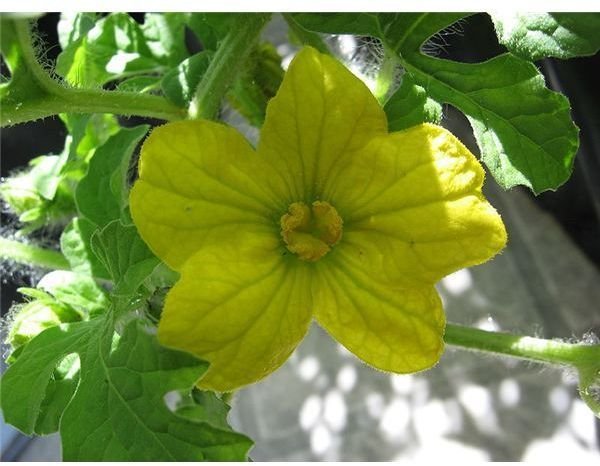
Melon gardening is one of the most rewarding gardening experiences there is. Watching the fruit develop over the summer up to harvest and time for eating is a real pleasure.
Introduction
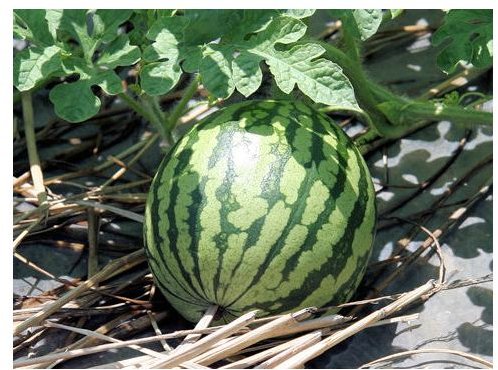
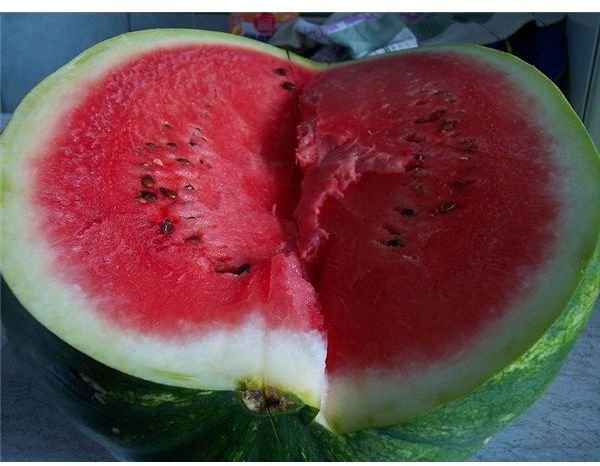
In any garden, the addition of melons, whether they are cantaloupe, watermelon, or honeydew, is one of the most fun crops to grow. Their sheer size and watching them develop is a pleasure in itself but actually tasting that succulent, juicy flesh on your tongue and lips will ensure you continue the practice every year.
Melon gardening is relatively the same for any melons you wish grow. The method is simple, but they do demand attention to
produce the best fruit possible. It is recommended to only grow one type of melon in a season unless you have space enough to adequately separate them because they can cross pollinate, creating a hybrid that is not what you were intending.
Melons need maximum sunlight and they love the heat. They are the perfect fruit for summertime growth. If you live in northern zones where freezing occurs timing is of the utmost importance and checking for predictions of the last frost will be needed. Melon seeds can be started indoors before the last frost or if in a no-frost region, started directly outdoors.
Seedlings
If starting inside, many prefer to use standard peat cups and they are very efficient. A water-only method can also be used but requires a little more work. In some reusable glass containers a piece of cloth can be draped over the side, leaving most in the container. Moisten the cloth leaving a small reservoir at the bottom and rest the seeds on the cloth. Be sure to place near
windows so they can get some sun. Before long, the seeds will sprout and in a few weeks will shed the seed hull and be ready for planting.
Once the seed shells have been shed, the sprouts will have developed a strong root system are easily transplanted outdoors. If the timing is off and the temperature has not risen as predicted, the sprouts can be kept indoors a little longer with the use seedling planters.
The soil outside where the melon patch is to be must be turned with compost and natural fertilizers before beginning planting and make sure enough space has been allotted. Melons are ground plants and their vine-like structure requires at least 12 inches between each planting.
Care
The biggest problem the organic gardener faces is insect control. Insects love melon leaves and without some kind of control, a
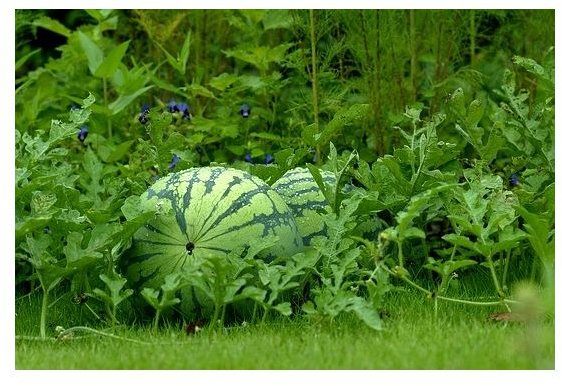
whole crop can be lost. A barrier of lime and coffee grounds will help with flea beetles which love the young melon plants. Later squash bugs, aphids, and mites may attack. A barrier around the patch of wood ash, powdered charcoal and a few drops of imitation vanilla extract will help with them.
The other biggest factor in developing luscious, juicy and tasty fruit is watering. The plants will need to be well watered throughout the approximately 90 day growing period, but less will be needed in the later stages. As a rule about 1 inch of water per week will do the trick. In the last 20 days, less water can be used and allowing the soil reach the brink of dryness before adding water will give healthier, juicier fruit.
Harvest
To determine when the melons are ready for harvest is simple. Lift the fruit and if the stem naturally separates, it is ready. They
can be harvested just a little early when the stem is loose on the fruit and ripened indoors if necessary.
These simple and easy guidelines will get you started in the world of melon gardening and a little trial and error will help you find what works best in your specific situation.