Have you ever wondered what happens to your beer bottles once you’ve finished drinking the beer and recycled the bottle? Do breweries reuse beer bottles or do they only reuse the melted down glass? The answers are slightly more complicated then you may realize.
The Concept Behind Returnable Beer Bottles
So, do breweries reuse beer bottles? Reusing beer bottles is a fairly simple process, at least in theory.
The concept behind returnable beer bottles is that a specific number of returnable bottles can be manufacturered, sold, returned, refilled and resold. The idea is to create less waste and cut down on costs, both for the brewery and the customer. Returnable beer bottles are heavier than regular bottles because they are made of thicker glass. They are also more expensive to produce.
At one point in time, a significant number of beer and soda companies used returnable bottles. They are still very popular among private individuals who brew their own beer in their homes in small-scale home breweries.
Problems With Reusing Beer Bottles
There are a number of issues that have made reusing beer bottles less and less common in the brewery business. One issue is the cost of the heavier, returnable bottles that have to be shipped or brought back to the brewery. While local customers may not have any problem simply dropping the bottles back off, the larger the breweries distribution area is, the less likely the beer bottle is to make it back to the brewery for cleaning and reusing. It is also expensive to sterilize and prepare the bottles to be reused.
Reusable beer bottles are common in some other countries, such as Germany , where the practice is considered standard. However, it is not common or particularly successful in the United States due to the lack of participation. In short, the beer bottles do not make it back to the breweries as often as they need to to make the practice successful.
Straub Brewery, a Pennsylvania brewery that is one of the last in the country to continue to reuse bottles, issued a plea for customers to return the bottles in late 2010, claiming the high cost of producing the reusable bottles without having them returned was simply becoming too much of a loss for the company.
The Reality of Reusing Beer Bottles
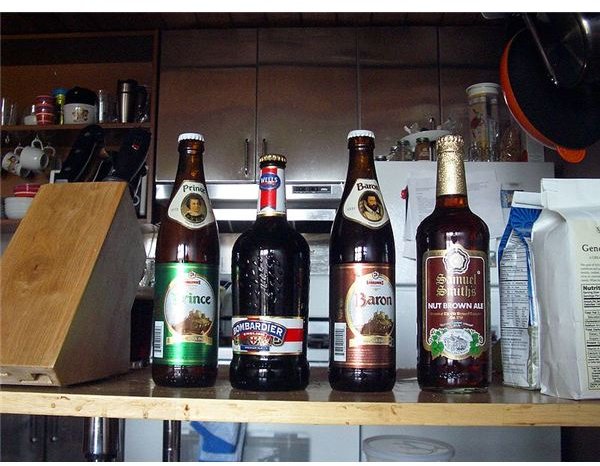
Do breweries actually reuse beer bottles? The answer is yes, but only very small breweries in the United States still continue the practice due to the problems with the process making it less than cost effective. In other countries, such as Canada and Germany, reusing beer bottles is a common practice.
Non-returnable beer bottles can also be melted down and recycled for use as something else or in another product.
References
CBS News: Reusable Beer Bottles Facing Extinction - https://www.cbsnews.com/stories/2010/08/18/national/main6783391.shtml
American Public University System:Where Have the Returnable Bottles Gone? - https://apus-sustainability.com/2011/03/04/where-have-the-returnable-bottles-gone/
Straub Beer: Virtual Tour, Straub Brewery - https://www.straubbeer.com/virtual-tour/virtual-tour.htm
Image Credit - Four Beer bottles. Wikimedia Commons and Tom Harpel .