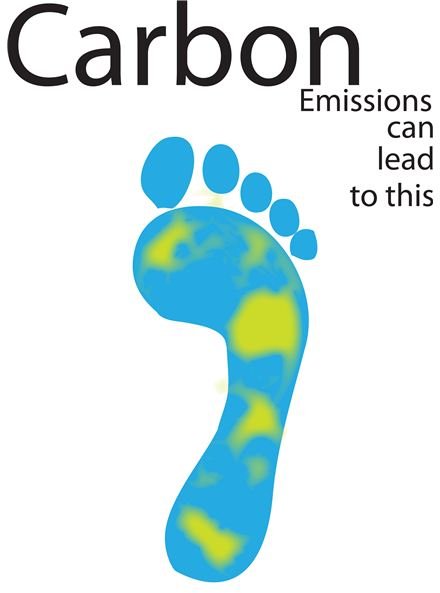
Carbon footprint is the amount of carbon dioxide emitted. All individuals and organizations generate carbon footprints in the normal course of things, but the increasing strain on the earth’s resources make reducing carbon footprints imperative. Find out ways on how to offset your carbon footprint.
How to offset your carbon footprint?
The most obvious ways of reducing carbon footprints are installing windmills, covering the roof with solar panels, and using hybrid cars. Such initiatives however require huge investments not always available with small and medium enterprises.
Individuals and businesses irrespective of their size can still reduce their carbon footprints significantly by following some simple steps and making basic changes to the accustomed way of doing things, without many investments.
Use of Eco-Friendly Supplies
Businesses can reduce carbon footprints by using organic supplies made in an eco-friendly manner. Many people limit organic products to food. While food is an important component of an organic lifestyle, the term “organic” extends to other products as well, most notably stationery, such as paper made without cutting down more trees.
Another major application of eco-friendly products is in packaging. Using packaging materials manufactured from recycled pulp helps to reduce carbon footprints substantially. The order of preference to reduce carbon footprints is recycled pulp, paper, or reusable cloth, plastic, and new paper.
An added dimension of using eco-friendly supplies is to use locally manufactured supplies that do not have to travel far, reducing fuel usage considerably. At times, sourcing local products at source may consume less carbon footprints than ordering organic products that have to travel a long distance.
Recycling
If you are looking at ways on how to offset your carbon footprint, using the three Rs: Reduce, Reuse, & Recycle is an inevitable process.
The basic approach in this methodology is to use as little as required in the first place. The Lean manufacturing philosophy that strives to eliminate waste bases itself on this approach.
Organizations would do well to eliminate junk, but would also do well to resist the temptation of adopting a “use and throw” culture. Refilling printer cartridges instead of disposing them and purchasing new ones, for instance, reduces carbon footprints significantly, as does using both sides of the paper, and reusing paper not containing sensitive information for rough calculations, to make envelopes, and to jot down memos.
The third dimension is recycling. All used paper-based items, and even some e-waste, can be recycled for a profit. Other items not recycled may be disposed off in a proper and safe manner.
Ensuring Energy Efficiency
Companies looking at how to reduce a carbon footprint in the workplace would do well to use energy efficiency devices. Selecting devices with an Energy Star rating, directly translates to lesser energy consumption and hence lesser carbon footprints.
Compact Florescent Lights use about 75 percent less energy compared to the normal incandescent lights, and last much longer. The still newer LED lighting is even better in using less energy and lasting longer.
Another way to reduce carbon footprints is by proper and regular maintenance of major energy consuming devices such as air conditioners, heaters, cooling systems, and refrigerators, to ensure they work at their optimal efficiency.
Insulating the office properly, and switching off and unplugging devices when not required, can also result in major savings in energy bills and reduces the carbon footprint significantly. Switching off the monitor, instead of allowing it to operate in a sleep mode when not needed, is one basic way of reducing carbon footprint.
Telecommuting and Teleconferencing

Reducing transportation is an excellent solution on how to offset your carbon footprint.
The biggest carbon footprints usually come from transportation. Extending telecommuting facilities to employees whenever possible, and teleconferencing for business meeting wherever possible, not only leads to lessen carbon footprints, but a host of other benefits such as happy employees, managers with lesser fatigue and more time, etc.
Alternatives to telecommuting, include allowing employees to compress the work week to reduce commuting. Such initiatives however require vetting by the legal department to ensure compliance with labor laws.
If neither telecommuting nor compressed hours work, companies can still reduce their carbon footprint significantly by encouraging car pools, or arranging to pick up and drop employees following a scientific route pattern instead of all employees driving their individual vehicles to work. Such initiatives not just help the company, but also the society by placing lesser vehicles on the road, reducing pollution and congestion.
If business traveling is unavoidable, schedule a direct flight wherever possible.
One important point of note is that, while a newer hybrid or electric vehicle might be more fuel efficient, it still consumes a huge carbon footprint during the manufacturing stage, and costs are high. Keeping the older-model car that is in good condition for a longer period may be a better option, both economically, and in the overall carbon footprint context.
Greenery
Planting greenery anywhere reduces carbon dioxide and compensates for the carbon footprint generated to some extent. Planting trees in periphery, converting the vacant rooftop to a garden, placing indoor plants, all help compensate for the business’s carbon footprint.
The best plants are native plant species that would grow better in a familiar environment, and require lesser shipping from the nursery to the premises. When planting, using organic soil that provides more oxygen makes for a better option still.
Finding out ways on how to offset your carbon footprint is a moral obligation of any business. As pressure on the earth’s resources increase by the day, lawmakers are leaning towards making some of these legal requirements when running a business.
References
Sustainability, 15 Ways to Reduce Your Carbon Footprints. https://sustainability.publicradio.org/consumed/tips.html . Retrieved 7 February 2011.