Religious architecture is a type of architecture that deals with designing and constructing religious places. Religious architecture can be regarded as the reflection of the tradition and values of any religious group. Find out more about religious architecture in the article inside.
Introduction
Religious architecture refers to the construction and designing of buildings that are places of worship, performing acts, religious praise, honor or devotion for different groups of people. Across the world, religious architecture is known by several names such as sacred architecture, sacred space, etc. It is said that the history of architecture began with religious architecture.
Understanding Religious Architecture
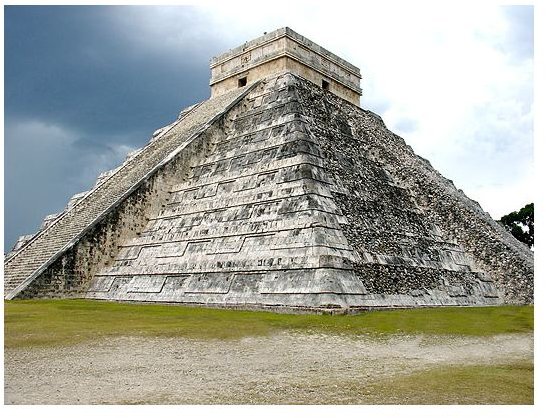
Church, mosque, temple, and stupas are examples of places of worship that reflect sacred architecture. These sacred structures have been built for people from different religious backgrounds such as Christianity, Islam, Hinduism and Buddhism– signifying their extraordinary culture. In short, these religious structures are a reflection of the tradition and rituals that the people of a particular religion follow. The religious structures follow a set of consistent rules for a particular architectural period, for e.g., the cruciform plan of Gothic churches or the peculiar shape of the Egyptian pyramids.
Great religious places are gifts of the ancient world to the modern world. These religious structures are generally monolithic, nonephemeral, and non-personal. The structures have evolved over centuries and have been the largest buildings on the global map, way before the modern skyscraper came into the picture. The construction of these holy structures was unique from the contemporary ones, and so they became a place of worship for the public at large. The rise of monotheism also made these places centers for mediation and worship.
Religious Architecture as a Communication Medium
Architecture is usually defined as the style of building and designing structures. However, the architect Norman L Koonce believes that the aim of sacred architecture is to make the boundary between matter and mind, flesh and spirit transparent. Thus, it can be said that on one hand architecture fulfills two important functions of utilitarian and aesthetic aspects; whereas on the other hand religious architecture accomplishes the task of providing people with a private space to attend spiritual knowledge. Moreover a sacred space can be studied by understanding the factors that affect the spiritual process.
Religious architecture often uses sacred geometry while designing buildings. It believes that geometry and mathematical ratios, harmonics and proportion are found in music, light, cosmology, and architecture. While studying this branch of architecture one might also come across iconography, an area of art history that deals with the identification, description, and interpretation of the content of images. It is therefore rightly said that once you enter into a religious building you enter into a spiritual relationship.
Various Styles
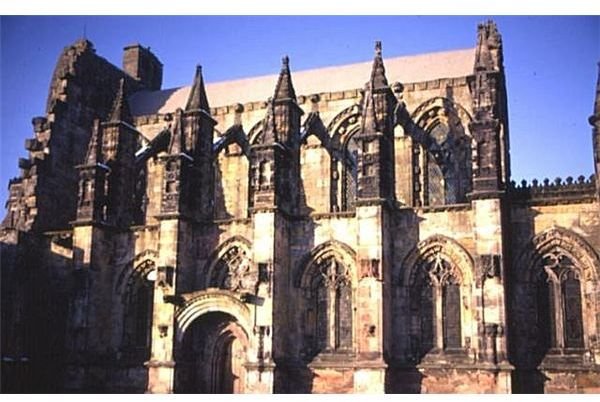
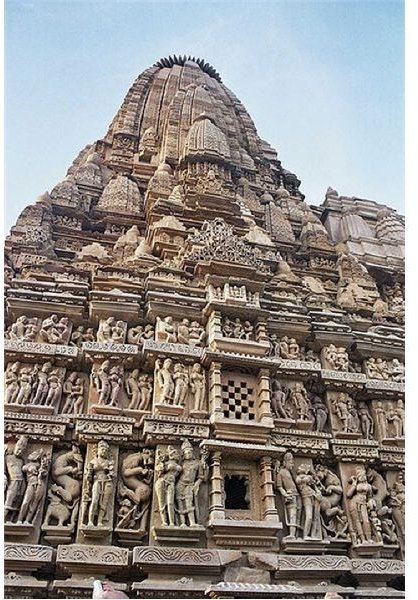
Religious architecture also includes various styles of architecture such as the Neolithic style which evolved soon after 10000 BC. Egyptian architecture, one of the most influential civilizations in the world, has its influence on the structures standing tall in the Nile Valley. Sumerian culture belonging to Mesopotamia also had a very popular style. Sumerian style is famous for the invention of urban planning, the courtyard house and the ziggurats, representing the trends of the times and culture in which they were made. Moreover, these ancient structures also displayed the creative and expressive abilities of the travelers who dwelt in there. Buildings such as Rosslyn Chapel, Temple Church, Khajuraho Temple, and the Temple of Karnak are fine examples of religious architecture that can never be ignored due to its intriguing historical and geographical aspects contributed especially by the architecture enthusiasts.
Whether one calls it religious architecture or sacred space, the point is, these holy structures have helped humans satiate their spiritual desires by providing them a place where they can experience tranquility and peace. In the words of Robert Schuller, Protestant minister, sacred spaces help a person to be psychologically healthy and feel the natural setting for which they are designed.