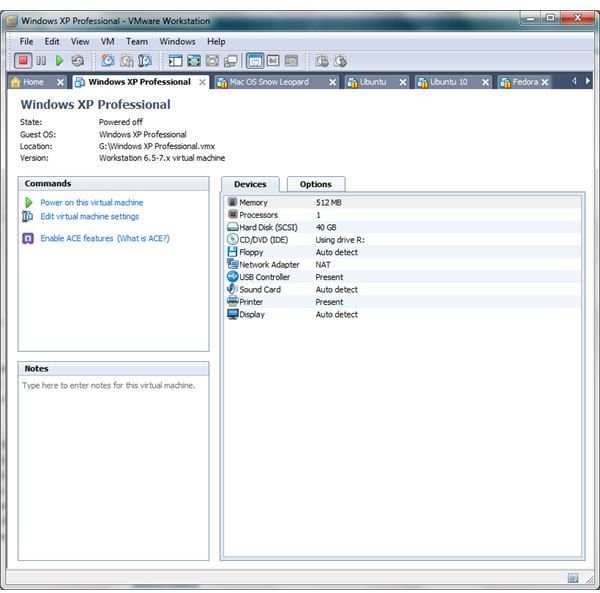
When using virtualization software it is very easy to end up with several discarded VM’s. This guide explains how to clone and delete a virtual machine in VMware.
Completely Delete Your Virtual Machine
With a virtual machine setup and used, you might opt to delete it in order to save space, or simply because you don’t need it anymore.
Yet when you come to setup a new VM, you can find it difficult to use the same location; the original virtual machine has left files and folders behind that prevent you from saving your new VM in that location.
This can happen with any virtual machine software, such as Virtual PC, Virtual Machine and Virtual Box . Deleting a virtual machine in any of these tools is simple; the way to avoid problems when creating a new VM is to ensure you have correctly deleted the previous one.
Why Delete the Virtual Machine?
With a virtual machine setup, you can use it within your main operating system and with most virtualization software maximise it to run full screen, thereby taking over your host OS. So why delete it?
There are several reasons you might delete a virtual machine:
- You don’t need the VM anymore.
- You might have enjoyed using the virtual machine OS so much that you dual booted your PC.
- It takes up too much space that you need for something else.
- The virtual machine has stopped working correctly.
- It has simply served its purpose.
As such, deleting the VM would be the best course of action.
Clone Your Virtual Machine
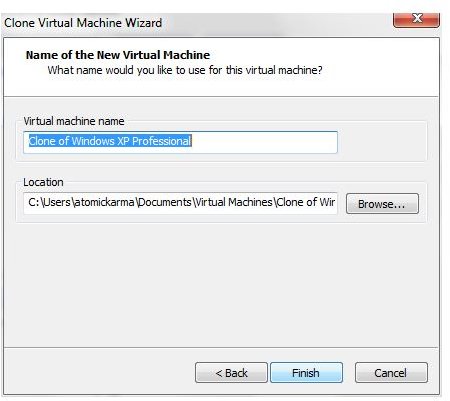
One thing you might consider if space is a problem is cloning your virtual machine before deleting it. This way, if you ever need to setup the same guest operating system again you will have the time-saving benefit of running from a copy of the original, that you might backup to an external hard disk or DVD.
Cloning the virtual machine saves you the problem of browsing through your operating system files looking for all the various component files, and can be done via VM > Clone…. Use the Current State option and then Create a full clone. Choose a name and location for the clone and then Finish to save it.
This can only be done while the virtual machine is powered off.
Deleting a Virtual Machine
With all of your other avenues explored and acted on, it is time to delete the virtual machine. While it might seem easy to browse to the location the VM runs from and discard the files and folders that represent the saved guest OS, this will not completely remove the virtual machine.
Additionally, manually deleting these files and folders can lead to problems setting up a new VM in the same location. The best course of action is to use the manual delete function. This is done by selecting the tab for your virtual machine and selecting VM > Delete from Disk. The process cannot be reversed, although VMWare will ask you to confirm the action.