
The Microsoft Excel recovery feature allows users to automatically create backups of their work when saving a spreadsheet file. By using this functionality, you can be assured that you have the backup file name extension Microsoft Excel xlk available to restore your work.
Getting Started
To use the backup file name extension in Microsoft Excel (xlk), you will need to have Microsoft Office Excel installed on a computer meeting the minimum system requirements of Microsoft Office. This Microsoft Excel tutorial assumes you know how to start the Microsoft Excel program and are reasonably familiar with its interface.
Create a Sample File and a Backup
To begin this demonstration, open Microsoft Excel and then create some sample data. We just used random numbers and letters so we have something to work with.
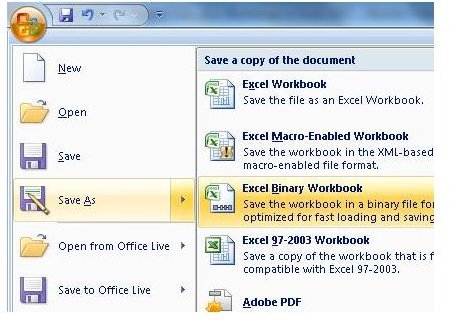
Next, click the Office button and then click the “Save As” button that is displayed in the options list
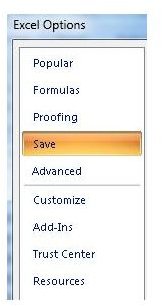
In the Excel Options window that pops up, click the Save option in the left hand column.
Next, in the Save As window, type a file name in the File Name field (in this example we use “this is a test file” for the name) and then click the Tools button to the left of the Save button.
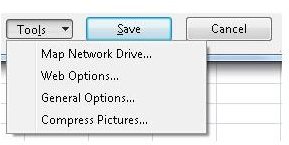
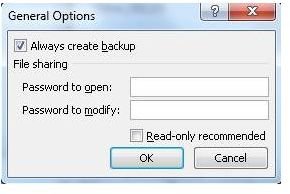
Click the General Options selection on the drop down menu. Click the Always create backup check box and then click the OK button.
Now, click the Save button on the Save As dialog. Your file will be saved and you can continue working. Change the data on your spreadsheet.

Save the file by pressing and then close it by pressing

Now let’s see how to open the backup file.
Open the Backup File
Using Windows Explorer, browse to the xlk file and double click the file name. you will see a dialog box appear that says:
“The file you are trying to open, ‘Backup of [Your File Name].xlk’, is in a different format than specified by the file extension. Verify that the file is not corrupted and is from a trusted source before opening the file. Do you want to open the file now?”

Click the Yes button and you will see your original data appear in Microsoft Excel . You can now save the file in Excel format by clicking the Office button and then choosing Save As.

You now know how the backup file name extension Microsoft Excel xlk works. You can set files to backup automatically every time they are saved and you can open the backup files and save them in regular Excel format.