The terms ‘DSL’ and ‘broadband’ are commonly confused. We explain the difference between the two and look at other related terms to internet use.
What is ‘broadband’?
In internet terms, broadband refers to an internet connection above a certain speed, regardless of the technology used.
The cut-off point for broadband varies greatly. Originally some people used it for any connection that was faster than the 56k (56 kilobits per second) which was possible through a dial-up connection (the type which tied up a normal phone line).
The most common definition of broadband is currently around 200-256k, though the Federal Communications Commission in the US uses a cut-off point of 768k when measuring broadband provision. The accepted figure will likely always vary from country to country and will probably increase over time as technology advances.
What is DSL?
DSL is a method of providing internet access, though as it’s so common the term is often used interchangeably with ‘broadband’. It stands for “digital subscriber line” and involves a standard phone line. The internet connection works at a different frequency to voice calls, meaning you can make phone calls and use the internet at the same time. Most home broadband services are ASDL (the A stands for asymmetric), which is set up so that users can download information much more quickly than they upload it. This is usually a much more cost-efficient set-up as most users need to download more data that they upload.
What other main types of broadband are there for home users?
Cable
This works largely in the same way as DSL, but uses a cable line rather than a telephone line. This cable line can carry television signals and phone calls as well as internet data. Users need a special type of modem to ‘untangle’ the internet data from the other services. In theory cable is capable of much higher speeds than DSL, though in practice the service can be slowed if too many people in the same area are transferring data, so the speed advantage is usually lower than it could be.
Mobile
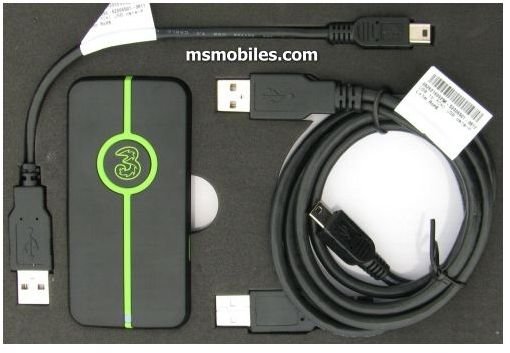
Some cellphone service operators now offer broadband internet connections over their networks either through phones themselves or through USB adaptors in laptops. These are useful for people on the move or without a fixed-line internet option, but the maximum speeds are usually lower, the service is dependent on a strong phone signal, and there are usually monthly download limits which are too low for some users.
Satellite
It’s technically possible to receive internet data via a satellite, which can be a solution to remote areas which can’t get a cable or DSL link. As it’s too expensive for a home user to broadcast to a satellite, the usual set-up is for uploaded data to go through a phone line. Another downside is that, even at the speed of light, the satellites are so far away that satellite internet connections have a slightly delayed reaction time, making them unsuitable for some internet uses such as online gaming.
Related reading
>» DSL vs. Cable: Which One is Better for Your Home Office?
>» Is your broadband company monitoring your downloading activity?
>» What Will You Do if Your Internet Goes Out for an Extended Time?