Are you in the market for a nice Intel motherboard that will overclock your CPU to its fullest potential? Read on to find out what to look for and what the top motherboards on the market are today.
Introduction
In the quest for absolute performance, it is necessary to have the right tools for the job. In this case, we will look at the best choices for motherboards that will overclock your CPU and RAM to its fullest potential. After all, overclocking is about getting every last drop out of your CPU!
In addition to the best motherboard and RAM for overclocking, special thought should also be given to the cooling you intend to use be it a large heatsink tower, liquid/water cooling, or some other more extreme methods (phase change or TEC thermoelectric, etc…). Cooling is almost as important as choosing the right motherboard. Just because your motherboard can take your CPU to the next level does not necessarily mean the CPU can sustain such a speed at a high temperature if you cannot get rid of the heat.
Intel i7 (Socket 1366) – X58
The Intel Core i7 series of CPUs are classified as high end processors for performance/extreme users. The only chipset that currently supports them socket is Intel’s own X58. Technically, no matter which X58 board you buy, the core chipset is the same Intel product. We recommend, however, that you stick with top brands brands like Asus, MSI, Gigabtye, EVGA, ASRock (made by Asus), DFI, or Foxconn. Stay clear of cheaper discount brands because, while the Intel parts are the same, their build quality and customer support is minimal and poor. They also tend to cut corners and use lesser sound, LAN, and most importantly to overclockers, power delivery components. Anyways, back on topic, you are here to find the best boards!
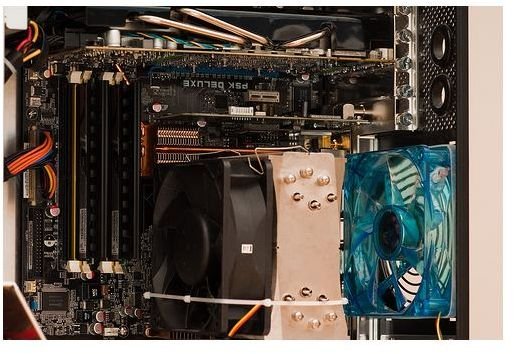
Photo by .dr4gon
Three Way Tie
EVGA E758-A1 3-Way SLI (x16/x16/x8) LGA 1366 Intel X58 ATX Intel Motherboard
ASUS P6T LGA 1366 Intel X58 ATX Intel Motherboard (Our Review )

With any one of these three boards, you could max out your i7 CPU granted you have adequate cooling, good RAM, and some luck for having a good chip (CPU). If you are trying to decide between either of the two Asus boards (or possibly the EVGA), it really comes down to your individual need for SATA ports, USB ports, Dual Lan, and board layout (PCI-E slot arrangement). Pick one that will best suit your computing needs.
Further Reading:
Intel’s New Desktop CPUs (Core i7) and What You Need to Know!
Top 3 Overall Best Core i7 Motherboards
Intel Core 2 Quad/Duo/Celeron (Socket 775) – X48
Intel’s socket 775 is still kicking after all these years. The board that wins hands down is the Asus Rampage Formula ROG X48 motherboard. It’s easily the best X48, socket 775 board around for its dual x16 (full speed) PCI-Express slots, massive northbridge heatsinks, X48 chipset, LCD panel, power/reset buttons on the board, and other Asus exclusive overclocking features.
ASUS RAMPAGE FORMULA LGA 775 Intel X48 ATX Intel Motherboard
Budget Winner: ASUS P5E Deluxe LGA 775 Intel X48 ATX Intel Motherboard
The P5E is a close runner up which deserves mention for its performance at its current price point, about half the price of the Rampage version. It runs the same chipset and is on paper a very similar board. It however does not quite have as massive of a heatsink and lacks a few features, but is a great deal for the price.