The pollution of the night sky by light is a problem that has been accompanying man ever since he started his first fire some 15,000 years ago, and technology has only made it worse. Learn about the GLOBE at Night project and help measure the affects of this pollution in your area.
Clear Skies - Poor Seeing
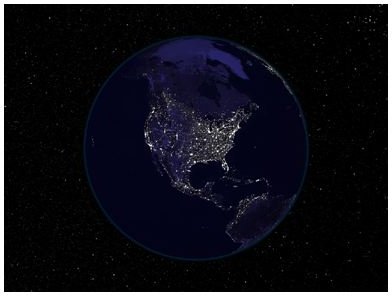
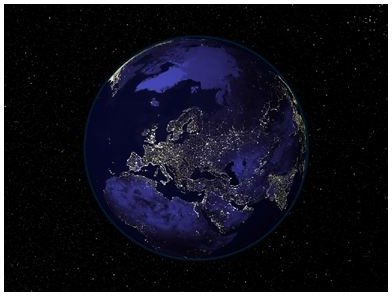
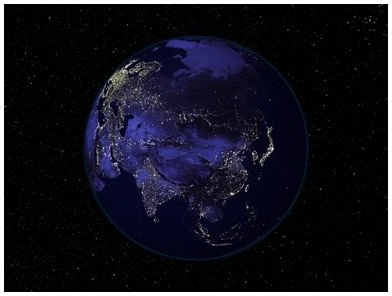
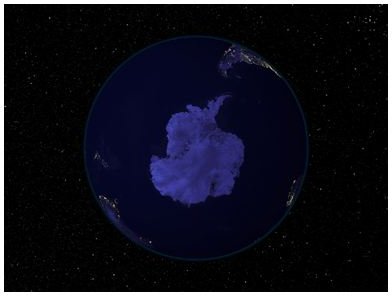
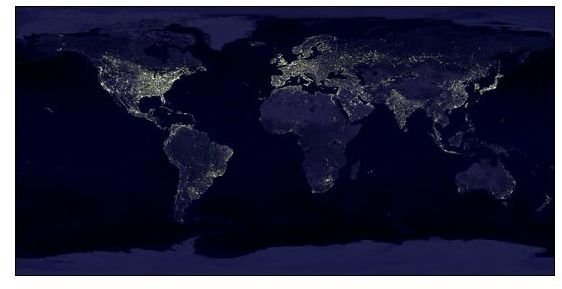
It’s pretty easy to see where man has made his presence known by looking at the gallery of images below. This pollution is caused by the stray light that comes from streetlights, billboard signs, buildings, parking lots, sports arenas and any other source of illumination that is reflected or directed into the atmosphere. Light pollution is made worse with air pollution, as the small particles that float in the air serve to scatter and reflect the light, compounding the problem.
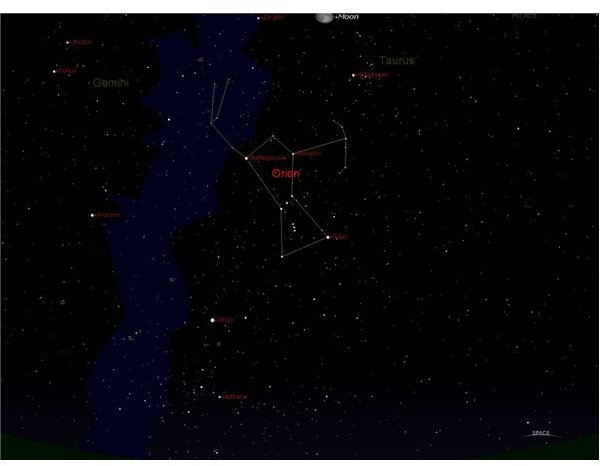
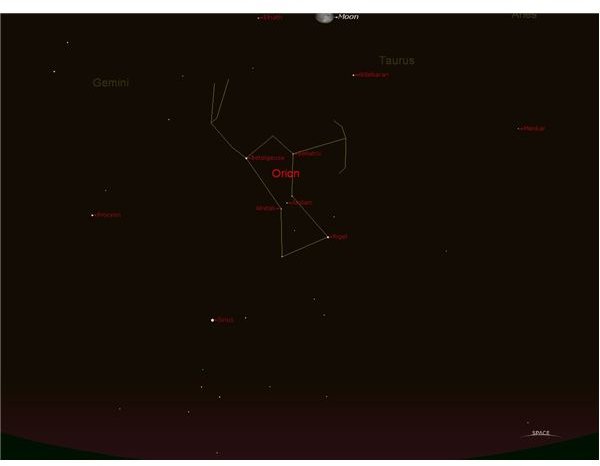
In addition to some environmental concerns , the effect of this scattered light reduces the contrast, and therefore the visibility of dimmer objects in the night sky, which affects professional, as well as amateur astronomers. The two images below show a simulated image of the constellation Orion as seen from an area of dark sky versus a city location. Pretty dramatic!
Nighttime Views of Our Planet
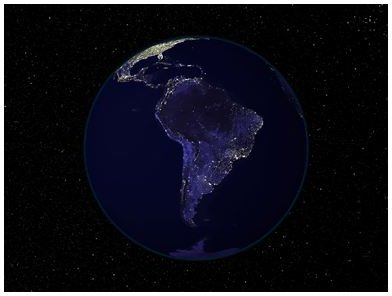
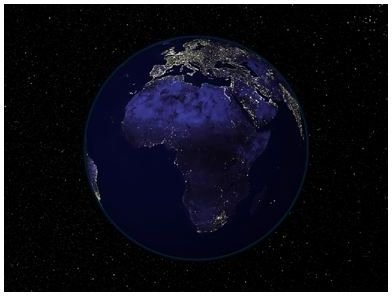
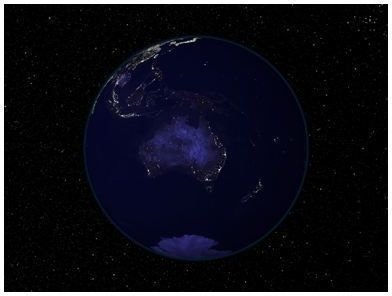
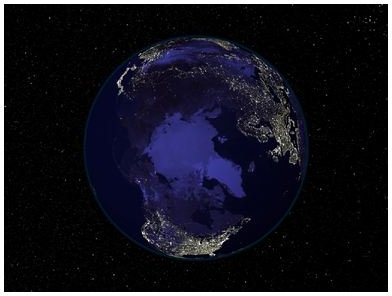
The Constellation Orion Under Simulated Pollution Conditions
Ruining an astronomer’s night out isn’t the only problem with this type of pollution; it is a direct indicator of wasted energy. Photons of light that are beamed into the night sky and do not illuminate the object they are intended to, correspond to electrical energy that is wasted—on the order of billions of dollars a year in the United States alone! This wasted light translates into more carbon dioxide and other pollutants being released into the atmosphere, adding to health problems and global warming. The excess illumination also affects wildlife in various ways from altering migration routes to eating habits and breeding behavior, to name a few. (Man is not immune from the affects of artificial light either!) Take a look at an excellent article by Verlyn Klinkenborg, on National Geographic’s site, Our Vanishing Night , for more information on how we light the night.
What can we do about it?
Light pollution can greatly be reduced by turning off unneeded lights at night and by using external light fixtures that direct the light down toward the ground without leaking light out of the sides or top of the fixture. Check out the International Dark-Sky Association for more information on the problem and possible solutions.
How Clear Is Your Night Sky?
GLOBE at Night was an ongoing project that is designed to educate people about light pollution. It allows everyone to contribute to the study of of this pollution by taking a look at the constellation Orion and recording which stars you can see from your location.
You will find all the information you need on how to make and record your observations on their website. There is also information for students, parents and teachers on the site about the constellation Orion, light and its pollution effects and the magnitude of stars - much of it interactive. It’s easy, and it is always a treat to take a look at the mighty hunter, Orion!
Clear night skies are something everyone should be able to see and enjoy and with a little planning, and some small changes in the way we light our nights, this type of pollution can be greatly reduced to the benefit of all.
References
Globe at Night: https://www.globe.gov/events/eventsdetail/10157/the-globe-at-night-2012
International Dark-Sky Association
Images courtesy of NASA and Visible Earth: https://visibleearth.nasa.gov/
Earth Lights at Night has a movie of our planet at night, incorporating the images seen above.