The History of Aircraft Pilots: Pioneers and Legends
Aviation Pioneers
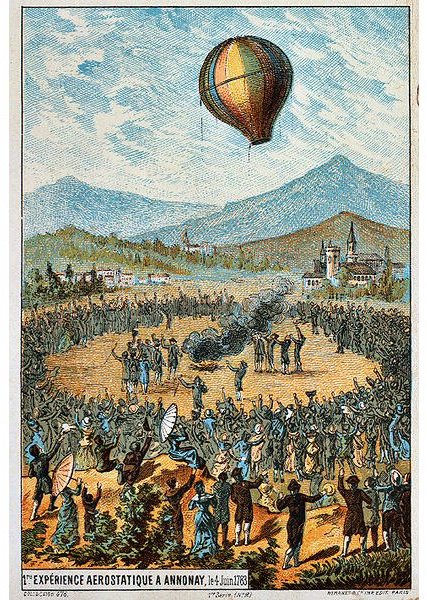
The history of aircraft pilots began most readily with the Montgolfier Brothers, Joseph-Michel and Jacques-Etienne, early aviators of hot air balloons. In 1783, the brothers successfully demonstrated their designs to the public, capturing the attention of the world, including King Louis XVI of France. Their initial demonstration showed that people could fly up to 6,600 feet (2,000 m) over a distance of 1.2 miles (2 km).
During the 1800s, aviators began to develop new concepts for aircraft, most notably gliders. Several pilots, many of which were extremely wealthy, became highly popular with the public of the era. Sir George Cayley was christened in history as the “Father of Aerial Navigation” with his invention of the curved aerofoil that helped create lift on aircraft. Otto Lilienthal flew thousands of flights aboard his gliders, eventually developing a way to control their lift and direction before becoming possibly the first victim of a tragic aircraft crash.
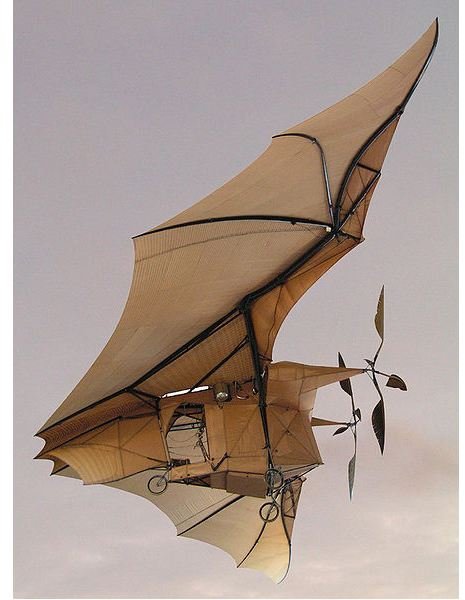
The push for heavier-than-air flight became the prominent motivation for new designs, growing the history of aircraft pilots. Clement Ader, a French engineer, flew his steam-powered plane at a height of eight inches for 165 feet in 1890. Samuel Pierpont Langley developed a aircraft with a gas engine. However, despite extreme funding from the government, his design resulted in crashes into the Potomac River. Finally, in 1903, Wilbur and Orville Wright became perhaps the most famous aircraft pilots in history with their successful flight at Kitty Hawk, North Carolina.
Above left: The Dream of Flight. (Supplied by the Library of Congress; Public Domain; https://upload.wikimedia.org/wikipedia/commons/6/6b/Early_flight_02562u_%282%29.jpg)
Above right: Avion III of Clement Ader. (Supplied by Roby at Wikimedia Commons; Creative Commons Attribution; https://upload.wikimedia.org/wikipedia/commons/1/14/Avion_III_20050711.jpg)
Legends of the Air
During the era between the two World Wars, the history of aircraft pilots was greatly advanced with the plethora of aviation technology at the fingertips of pilots around the world. Leftover military training craft were adopted by thousands of aviators, most notably during the era of the barnstormers, pilots who conducted dangerous aerial stunts for crowds of patrons.
Perhaps the most famous aviator in history is Charles Lindbergh. As a young pilot for the U.S. Air Mail, Lindbergh stunned the nation by performing the first non-stop flight across the Atlantic aboard his single-seat Spirit of St. Louis. After being awarded the Medal of Honor, Lindbergh’s fame became marred in infamy with the kidnapping and murder of his infant son as well as his isolationist political motivations with the America First movement prior to World War II.
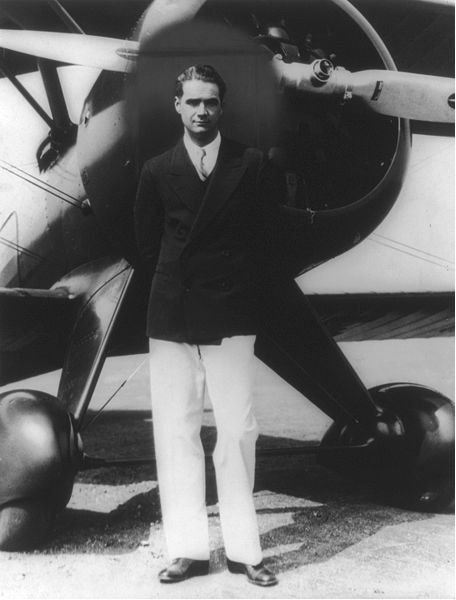
Using his extreme wealth, Howard Hughes secured his place in the history of aircraft pilots with a wide variety of aviation exploits. He filmed the successful big-budget movie “Hell’s Angels,” which made use of dozens of aircraft in unique aerial shots. Later, Hughes built the H-1 Racer, which he used to set world speed records. He purchased and grew the Trans World Airlines company, helping to the develop the airline industry as it remains today. However, he is perhaps remembered for the invention of the H-4 Hercules, the largest plane constructed at the time. However, this seaplane became the joke of many designers who dubbed it the “Spruce Goose,” after it failed to fly.
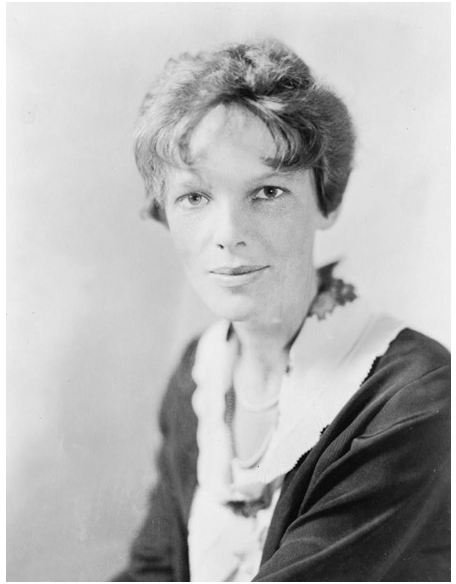
Establishing her role as an aircraft pilot was a challenge to Amelia Earhart. Previously, aviators were primarily women. However, with the fame she gained of flying solo across the Atlantic, she leveraged her public image by establishing an organization for women pilots, The Ninety-Nines. After teaching aviation at Purdue University, Earhart again attempted to expand her fame by attempting to fly around the world. In one of the most famous unsolved missing persons cases in history, Earhart disappeared near Howland Island in the Pacific in 1937.
Although the history of aircraft pilots includes literally countless numbers of groundbreaking individuals from military aviators to adventurers, the industry is dotted with dozens of legends. Each of these people, while influencing pilots of their own era, have also become focal points for new generations of fliers, ensuring the future of aviation will continue to hold stories as interesting as any in history.
Above left: Howard Hughes. (Supplied by the Library of Congress; Public Domain; https://upload.wikimedia.org/wikipedia/commons/4/49/Howard_Hughes.jpg)
Above right: Amelia Earhart. (Supplied by the Library of Congress; Public Domain; https://upload.wikimedia.org/wikipedia/commons/2/2d/Amelia_earhart.jpeg)
Resources
“The Path to the Wright Brothers” The Airplane Channel: https://www.airplanes.com/heritage/history/
“Famous Aviation Firsts” Infoplease: https://www.infoplease.com/ipa/A0004537.html