Bad posture can affect your body in many ways from slumped shoulders to pain when working. Home office workers need to be aware and take precautions against harmful posture. Learn some ergonomics tips and how to take control of your body through various techniques.
The Alexander Technique
Posture can come in two forms: good and bad. Good posture involves accurate joint alignment, proper muscle activity, correct balance and dependable communication between the brain and the nerves. Bad posture can lead to the inverse of all these same elements. Since poor posture can become second nature, correcting posture can be much more difficult than simply adding some ergonomic furniture to the mix.
In the beginning, humans evolved in a very specific way for very specific tasks: hunting and gathering. Our bodies were aligned for this work. But, as modern society has usurped these basic necessity functions, our physiques have needed to be retrained for working in our home office. And, in the process, our posture has been negatively affected by these changes. But, there are many ways of correcting and, hopefully, preventing poor posture.
The first step to correcting posture is probably just to listen to your body. Pain is a sign that something is wrong. Before popping an ibuprofen, think about when that pain first arose. If the problem arises more often when your typing than when you’re taking a walk, poor posture could have something to do with it. Eliminating the incorrect body positioning could improve the discomfort.
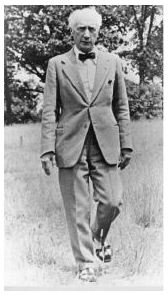
However, most people are not aware of the ins and outs of their own body. But, you can also seek outside help. The Alexander Technique developed by Frederick Matthias Alexander (1869 to 1955) was developed to locate the source of the discomfort and help you become of the movements of your body. Alexander developed the technique after having voice problems himself. He learned that excessive muscular tension was causing the problem.
Teaching the Technique
Teachers who specialize in this technique are located around the country. You can take classes to learn this technique and eliminate the stresses on your structure. To find a local Alexander Technique practitioner, go to www.alexandertechnique.com/teacher/northamerica/ . Most lessons are between 30 and 45 minutes, and, depending on how much help you need, you may have to take between 20 and 40 lessons.
Taking control of your posture is the main goal of the Alexander Technique. Retooling our body begins with retooling our brain since the brain controls posture. You will only improve your posture by thinking positively about it. Hold you head up. Think of a toddler. Babies walk with their head up and their large heads balanced lightly on a delicate neck. We don’t start out with slouchy postures; we learn it. It’s time to start unlearning it.
When typing at a computer, think about how you are sitting. Try to keep your body in alignment and balanced when sitting or standing. Purchase ergonomically designed furniture to help you stay aligned. Some furniture ideas can be found at www.brighthub.com/office/home/articles/1877.aspx . Regular exercise can also improve posture by strengthening the muscles used to support the body.
Change positions often. Even good positions could cause fatigue, leading to slouching and other unnatural poses. Sitting in a chair for too long, even ergonomically designed ones, can still cause pressure on the back and neck. Stretch.
Just be aware of your body and when it hurts. If a certain position causes pain, don’t do it anymore. Don’t hold the phone between your shoulder and neck. It’s an unnatural position and will cause your muscles to strain. Have the monitor at eye level and the mouse and keyboard at distances that don’t require over-stretching. This, too, can over-stress your body.
Posture is very important when you are working in your home office. Paying attention to your body can help improve your overall comfort and efficiency since a person not in pain can get more done than those who grin and bear it.
For more information on ergonomics, read What is Ergonomics and the History of Its Practice.