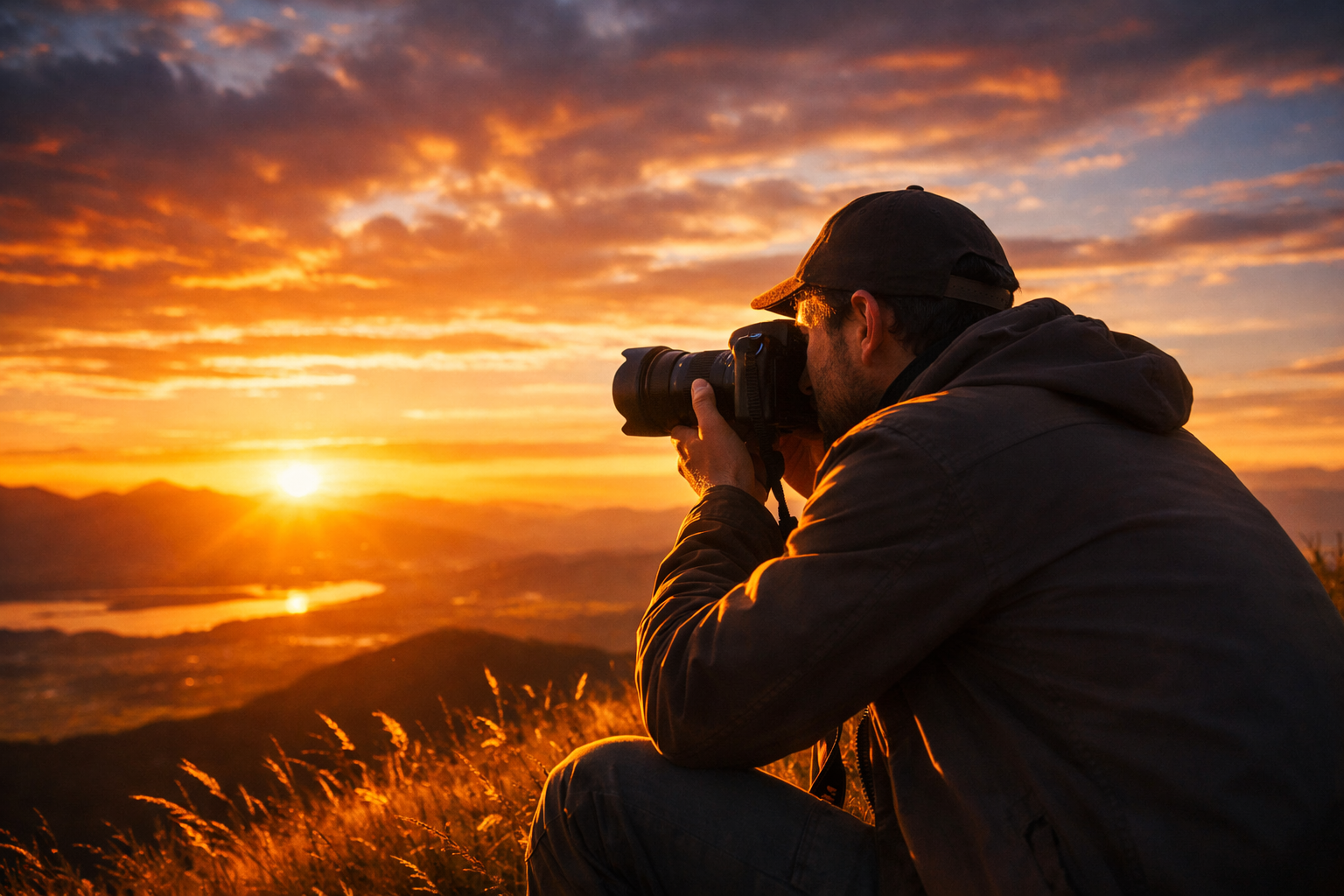
Lighting for people with eye glasses, shiny skin, and bald heads may be difficult, but there are some standard ways to deal with it.
Dangerous Reflection
When shooting digital video any sort of reflective surface can be fatal when trying to light the scene. The second a mirror or dark window catches the reflection of the light source you are using it becomes distracting for the viewer and the image won’t work. Some of the most common reflectors that home digital video producers will encounter are eye glasses, people with shiny skin, and people with bald heads.
Glasses
When trying to light a person the main source you use is called the key light. It is set on the long side of the face and is the main illuminator for that subject. What you are always looking for is the reflection, or glimmer, of that light in the person’s eyes. That makes them look more alive and energetic. When a subject is wearing glasses this must be sacrificed because the location of that eye reflection would create a glare that would block out the view of the eye all together. Instead, what you need to do is take the key light source and bring it completely above the subject’s head. Then you bring it one or two feet closer than you would position it normally.
This will give them the light they need to have color contrast on the subject’s face, but it will not show up in the glasses. This might end up making the subject a little bright and over exposed, so it would be advisable to lower the aperture so that the image is slightly darker. If the image is significantly too bright after this light repositions then try putting a ND filter on. Sunglasses are even more difficult, and you would have to bring the light even closer and raised several feet above their head. If you do this it is next to impossible to get the light even on their face, so you should always try to convince the subject to take off their sunglasses.
Bald Heads
If you are dealing with a subject who is bald, and has either an entirely or partially reflective surface on their bald spots, then you need to lower the key light just slightly from its standard position. This is done to avoid reflection on the top of the head as much as possible. The backlight you are using behind them to illuminate the back of their head needs to be lowered from its standard position so it only reflects off the side of their head and neck and not the top at all.
If you are still having a reflection issue on the sides of their head you can soften this by placing a white card, or white poster board, above their head and angling the backlight down even more. The white card will bounce some of the backlight and soften it all around their head, reducing glare. This is an awkward choice because it often requires someone to hold the card over the subject’s head.
Rolling With the Punches
Glasses, like any type of outside prop, are difficult to work with and should be avoided if at all possible. If they absolutely must remain then raise the light and bring it closer while adjusting the camera settings accordingly. Bald heads cannot be avoided because hats and other head covering apparatus will only be even more distracting for the audience if they are supposed to be focused on the subject directly. If this is the case you simply have to change the backlight and see what works. In this way you are adapting to the environment you are in, which is the sign of any great video producer!