Conceptual photography is a mystifying field of photography for many. What defines a photo as being “conceptual”, that is, what makes a conceptual photo… conceptual? This article offers an explanation.
Conceptual photography alternately seems to occupy an ivory tower, isolated from the rest of photography—or is so vaguely defined that this type of photography just blends in with the rest. This article attempts to clarify and define what conceptual photography precisely is by looking at the concept, subject, interpretation, use of symbols and aesthetics in conceptual photography.
The Concept
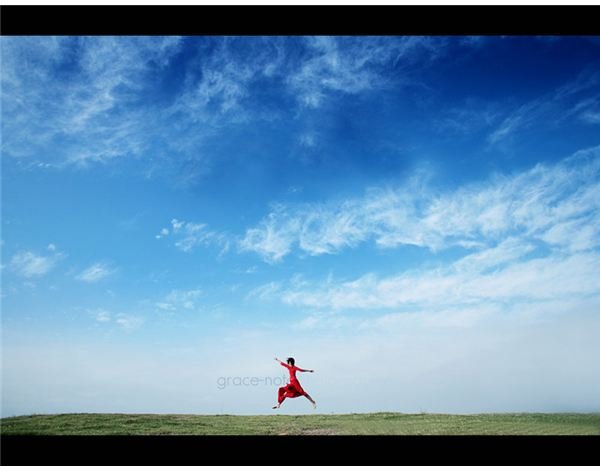
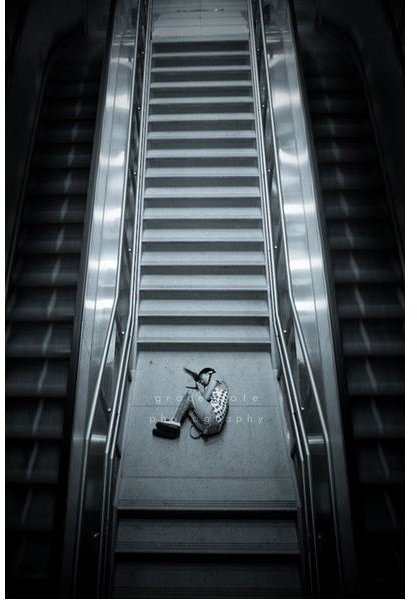
Conceptual photography is, first and foremost, about the concept of the photo. A conceptual photographer is trying to bring some message about to the viewer, be it a political advert or a social commentary or an emotional outcry. There is some level of abstraction , thus, in a conceptual photo: the image is not an explicit example of the concept, but a general expression of the idea.
Use Of Symbols
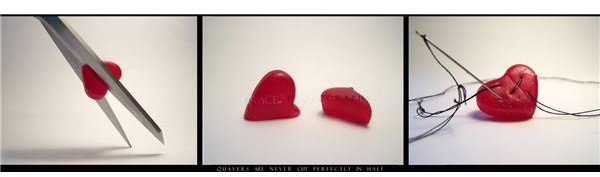
Conceptual photography makes healthy use of graphical symbols to represent ideas, movements, moods, anything and everything that the photographer might want to include in the message of their photograph. Symbols with strong, well-established connotations are usually used, from racy red lipstick to a bleeding heart, shamrocks and clovers to a green dollar bill.
Of course, a problem that every conceptual photographer runs into is whether to use symbols that are more universal, that is, whether their photos and the corresponding concepts should aim to be interpreted the same by everyone, or whether to play on ambiguities for a plethora of different meanings. This leads to another major feature of—or rather, distinction within—conceptual photography.
Examples of Conceptual Photography


Click on any image to enlarge.
Subjectivity Versus Objectivity
Whether a photo is intended to be “subjectively” or “objectively” interpreted varies considerably by the conceptual photographer.
Some conceptual photographers like to claim that their photo has one and only one objective meaning, and through their photograph, they strive to make it mean precisely the same thing to all people, regardless of background. While one can play at Jungian archetypes all day, and come up with some pretty powerful photographs while you’re at it, will a photo really mean exactly the same thing to very different people? This is the goal of some conceptual photographers.
Other conceptual photographers take the other extreme: they attempt to make their photos ultimately subjective to interpret, entirely up to the viewer to decide what it means to themselves. To many, this makes more sense, as one can never possibly hope that their image will be interpreted the same by such vastly different people with such vastly different experiences—so why try? Compose an interesting image that just serves to make people think and maybe trigger some experiences and memories and feelings.

Composition
There are two main camps of conceptual photographers: those who strive for minimalistic effects, and those who relish in business in their images.
The more minimalistic conceptual photographs are composed so that the focus is entirely on a single subject, a single concept, narrowing the viewer in on a single thought. Think of those clean white backgrounds upon which objects are placed in thought-provoking manners: no distraction from the idea.
The opposite camp is a little more involved. These are the conceptual photographers who place dozens and dozens of objects into their photograph, often to the point where there is no clear single subject. Rather, every object, every symbol, is placed to play off of another, creating sweeping conceptual landscapes of ideas that are both extremely specific yet also describe a broad message. You don’t see such photos quite as often, as they take considerably more work, but they’re certainly out there.
Aesthetics
Conceptual photography does not always attempt to be beautiful or even pleasing to the eyes. Conceptual photography might simply be, or even present intentionally ugly images to get an idea across. That being said, many conceptual photographers attempt to make their images at least neutral, so as to not distract the viewer from the concept of the photo either way.
This post is part of the series: Conceptual Photography
What, exactly, is conceptual photography? How do you take conceptual photos? In this article series, we’ll explore the technique of conceptual photography and learn tips and tricks on how to capture conceptual photographs with a digital camera.