High Dynamic Range Photography - What Is It Really About?
HDR photography in a nutshell
High dynamic range photography, once a little-known photographic technique, has become one of the latest trends in digital imaging. HDR photography allows the photographer to combine multiple images with different exposures in order to yield a broader range of contrast and, as such, is especially useful in situations with both highlights and shadows. Digital camera technology has made the technique more accessible as well as more versatile, since image processing is merely a matter of manipulating bits; despite the advantages of digital imaging, there are still limitations and characteristics behind HDR techniques, details that can be both interesting to know and useful in defining and refining your personal technique.
Dynamic range
One of these issues is dynamic range; while many, maybe even most, photographers realize that there’s a lot more dynamic range out there than their cameras are capable of seeing, not all of them know just how much or realize its effects on factors other than their camera. Obviously, the human eye is capable of detecting a remarkable degree of variation in luminance (well in excess of 20 f-stops, in comparison to 10-12 on a “contrasty” day, but how do your other devices stack up?
In the case of your digital camera, it depends - because of how CCD and CMOS devices detect light, the size of the sensor’s photodetectors and how they process their resultant electrons effect their sensitivity to dynamic range. Larger sensors increase the detectable range before “blow-out” occurs through a higher saturation threshold, while the detection strategy that charge-coupled device-based sensors utilize gives them something of an edge over complementary metal-oxide semiconductors in dynamic range. All things being equal, DSLRs have the advantage in dynamic range, due to their larger imaging sensors. Still, under the right circumstances, high dynamic range photography can even matters up - as long as conditions favor it, of course.
Tone mapping
The need for color calibration among imaging devices, display devices, and printers is well-known, but such issues do not stop there; variance in their ability to display contrast adds another layer of complexity to the issue. Your digital camera’s LCD display and your computer monitor are extremely close in their displayable dynamic range, but the same cannot be said for prints. Tone mapping addresses this issue by executing a transform that takes the original HDR photograph and converts it to an image suitable for displaying and/or printing. Since this operation is after-the-fact and is not a one-to-one transformation, considerable latitude is given to the photographer to customize the final results. If you don’t like the results, you can always try a different tone mapping scheme.
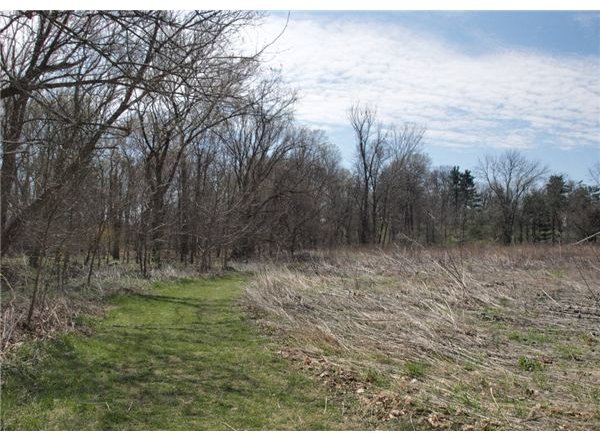
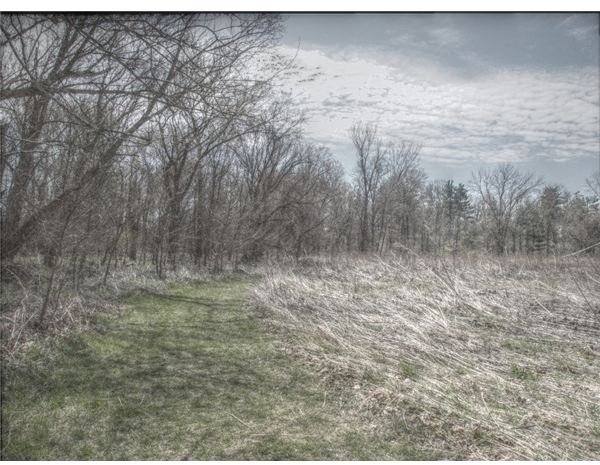
There are other strategies, though- Max Lyons’ PTAssembler, for instance, produces what he calls an “extended dynamic range image” by carrying out a weighted average of all the input images, thus arriving at a result that bears more resemblance to the actual scene- the disadvantage is that it disallows creative tone mapping during the process. As you can see by the photographs, the HDR image shows much more contrast, but is noticeably more extreme in that regard than the actual scene. Which path you choose really depends on your artistic inclinations.
This post is part of the series: Learning Your Way Around HDR Photography
High dynamic range (HDR) photography has gone from a little-known photographic technique to a photographer’s tool for circumventing one of the innate limitations of photographic equipment. This series will help to give you the background and skills you need to employ this technique effectively.