In this article we will take a look at some of the aspects of photography that will allow you to move from taking snapshots to taking professional looking photographs.
How to Take Professional Pictures
Making the transition from taking snapshots to taking professional quality photographs can sometimes be a tough one. Well, it doesn’t have to be. There are several things you can do to speed this transition including, educating yourself in all aspects of photography, providing yourself with the proper equipment, learning everything you can about your camera and following best practices. Let’s look at some of the things that will help you learn how to take professional pictures.
Get In Close and Anticipate the Action
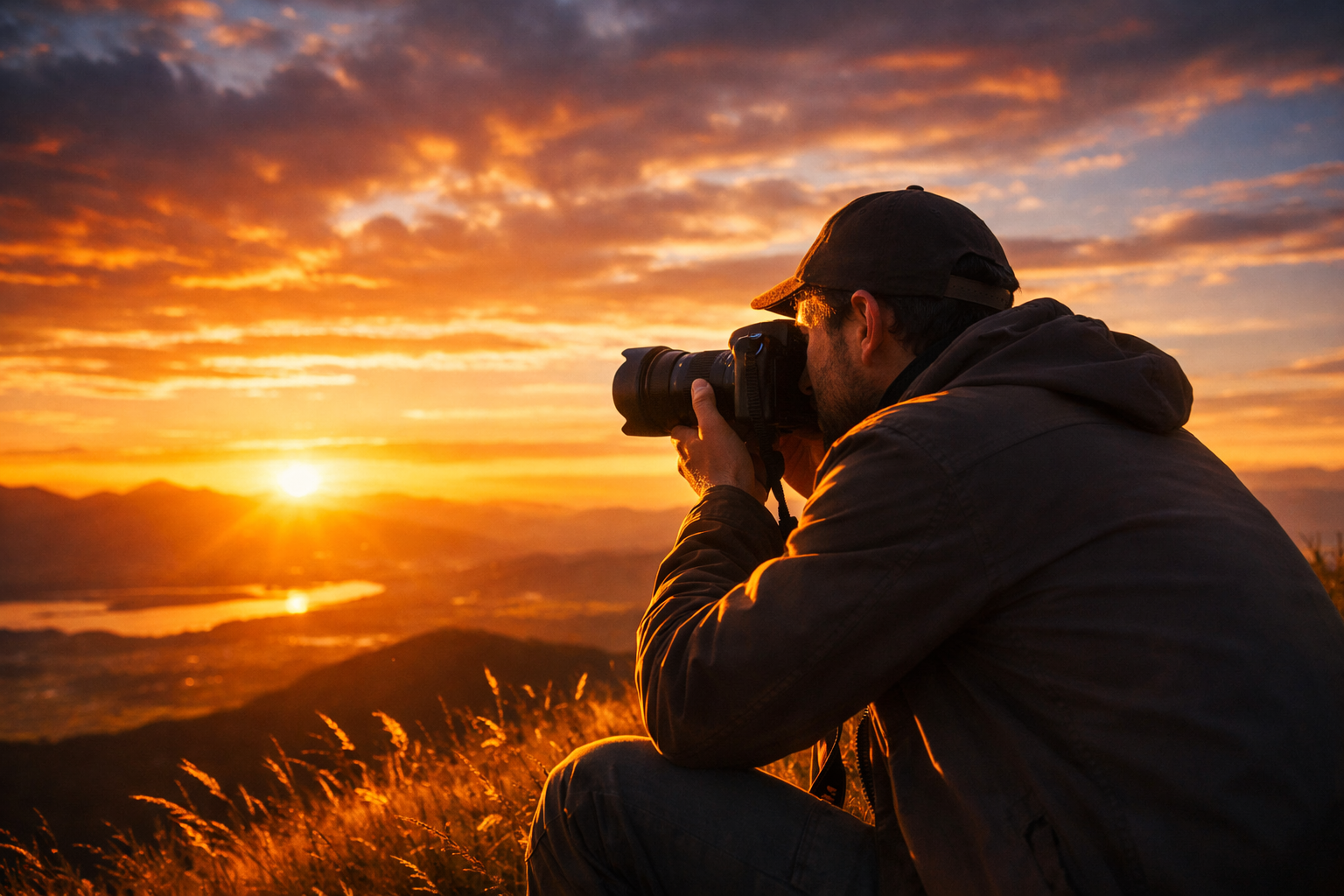
If you can’t see your subject clearly then chances are neither can your camera. The closer you get to your subject the more detail is revealed and colors become much more vibrant. Photographs that are taken from afar, unless by intention, often look like they were taking “spare of the moment” or by mistake. The human eye instinctively wants something to focus on, bring the focus of your photograph in close and reveal us much detail as possible.
Unless you are photographing an inanimate object, you will not only need to get in close but also anticipate the action. You want to take your photograph at the best moment and catch the event in all its glory. As an example if you are photographing a sporting event , being able to anticipate the action is of utmost importance. Catch a shot of the baseball as it hits the bat, the basketball as it leaves the hand or the puck just before it enters the goalies glove. You are looking for these shots. Anticipate the action and know, in your mind, what you want the shot to look like beforehand.
A telephoto or zoom lens is not nearly as good as being able to get in close to your subject but many times this is your only option. In situations where getting closer is not an option, photographing birds for example, buy a good quality telephoto lens and learn how to make the most of it.
(Image: https://www.sxc.hu/pic/l/m/mo/mooncat/836078 _64940995.jpg)
Keep the Camera Steady
Image Stabilization - If your camera supports it, read the manual and see how you can make the most of it. Sometimes image stabilization technology can help your shots and other times it can actually hinder them. Do some tests with it on and off in different situations and decide what is best for you and your style.
Keep Your Body Stable - When you are holding your camera there are a few things you can do to help reduce the amount of movement that is transferred to your shots. One thing I like to do is keep my elbows held tight to my body or rest them on a stable surface (like a table) when taking shots. I find this helps keep my body stable and reduce the amount of movement I have to compensate for in my shots. Another tip I try to keep in mind when taking a photograph is to take a deep breath and hold it just before I press the shutter button with a light, smooth motion instead of a sudden push.
Keep the Camera Steady, Cont.
Get a tripod - Seems simple enough. Buy a tripod and get use to using it. It is an invaluable tool.
Camera Timer - Use timer feature to avoid camera movement from pressing the shutter button. This is a technique I don’t see enough professional photographers using. If you have the time set your camera’s timer, frame your shot and let the camera trigger the shutter. This eliminates all movement caused by you physically pressing the shutter button.
Shutter Speed
Make sure your shutter speed is fast enough for your lens and can stop the motion. If you are shooting an object in-motion, you will need a fast shutter speed in order to “stop” the motion and avoid motion blur. A slower shutter speed will cause a blur (sometimes you want this) or a softening of your subject. To stop the motion in an action shot you generally want to start with a shutter speed of 1/250 (people walking) or faster and work up to faster shutter speeds from there.
F-Stop
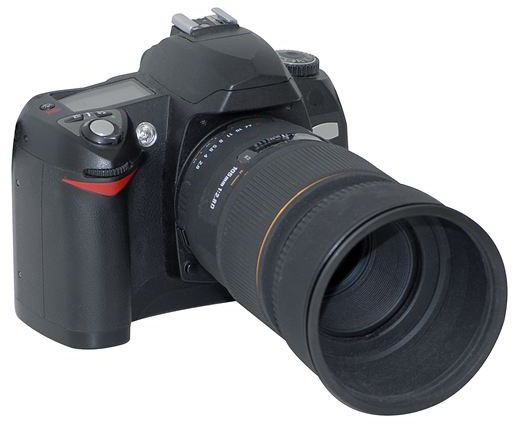
By this point, you probably know what F-Stop is. Are you using this setting on your digital DSLR to make your photographs look more professional? The F-Stop setting serves two primary functions, it dictates how much light gets into your lens and controls depth of field. For portraits, you will want a smaller number for your F-Stop (larger aperture) to allow you to get your subject in focus but not the objects in the background. On the other side of that spectrum, to have more objects in your photograph in-focus set your camera’s F-Stop to a higher value (small aperture).
F-Stop, depth of field and aperture are all aspects of digital photography you will have to master as these control what is (and is not) in focus in your photographs. Used properly they allow you to achieve the blur in the background that you see in professional portraits or capture a large group scene, keeping everyone in focus.
A tip that Carl Weaver, a writer here at Bright Hub uses to remember how F-Stop works in digital photography is that at a F-Stop setting of f/4, 4 people will be in focus, while at f/32, 32 people will be in focus. As he says, it is not really an accurate statement but it does help you remember how the setting works and how you can use it to your advantage to take professional pictures.
(Image: https://www.sxc.hu/pic/l/t/to/topfer/870459 _84438344.jpg)
Composition
When it comes to composition Rhonda Callow states, “Anyone can pick up a camera, aim it at a subject and take a picture. That doesn’t mean the picture will turn out to be anything spectacular. To take a brilliant photo, there are many different aspects you need take into consideration.”
What Rhonda is talking about is the various photographic techniques used to compose a professional photograph. These techniques include, but are not limited to, capturing photos from different angles, making sure there are no unwanted distractions in the background, filling your frame, framing your subject and the rule of thirds. All these techniques and more are covered in her article The Big Picture - Photographic Composition Techniques a must read for anyone wanting to take professional photographs.
So, What Does a Professional Photograph Look Like?
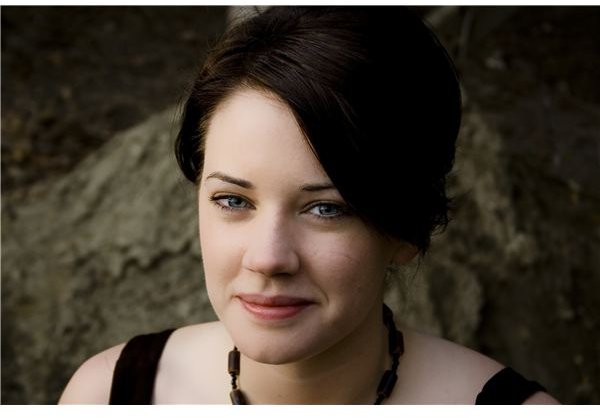
A professional looking photograph will have a well-defined subject, be free of any blur or image noise and catch and hold the viewer’s eye. While there are many rules and techniques that can be used to create professional looking pictures, not all of these are mandatory in order to take a professional looking picture. Some of these rules and techniques are a must, framing your subject and keeping the blur and noise to a minimum for example, but in professional photography, you must let your creative juices flow and many times do something a little bit different to add your own personal touch to your photographs.
That being said let’s remember that some of these professional photography rules and techniques will have to be used in commercial professional photography in order to be considered for purchase and use. This may all sound very confusing in the end but it really is not. While you are learning to take professional photographs, it is best to follow most, if not all, of these recommended rules and techniques. You can then make adjustments to suit you as a photographer as you become more comfortable with your camera, your subject matter and yourself as a professional photographer.
For some examples of professional pictures, you might want to look at the following articles:
Alternatively, visit our Guide to Professional Photographers .
(Image: https://www.sxc.hu/pic/l/t/tr/trublueboy/1190263 _11772578.jpg)
References
- Author’s own experience.