Flowers and animals; we can’t live without them. The flora of the earth produce the oxygen that is breathed by the fauna and in turn, the fauna exhale the carbon dioxide that the flora need to live. One cannot live without the other, and humans cannot live without either; hence their importance.
Flora and fauna are the plant and animal life of a region in a period of time. That may sound simple, but the ecosystem created by the interdependence of these two life forms is not simple at all. In fact, humans cannot breathe unless both flora and fauna survive and thrive on the earth.
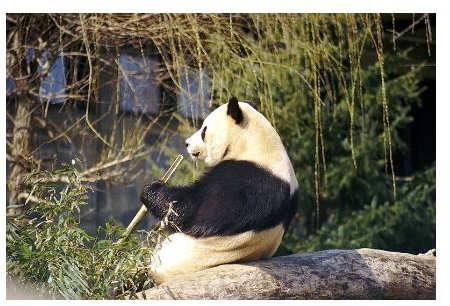
The very air we breathe and the food we eat, the medicines that cure us, and the water that keeps us alive would not exist were it not for flora and fauna. All things in an ecosystem are interdependent. The existence of one species may depend on the health of another, such as the relationship of bamboo forests to pandas. Pandas only eat bamboo shoots, so the destruction of the bamboo forests in China resulted in the endangerment of the Panda, due to starvation and loss of habitat.
In China, destruction of the forests left the tigers with no place to go. Farmers killed them in great numbers to protect their farm animals, and soon there were few left. In an attempt to save the species, Chinese tigers were moved to the forests of Africa, where they are surviving nicely.
Endangerment of Ocean Flora and Fauna
The importance of flora and fauna in the oceans cannot be underestimated, many of which are endangered or extinct due to pollution and other of man’s actions.
Excessive dumping of nitrogen rich fertilizers into the Gulf of Mexico has created the growth of huge colonies of red algae, called “red tide”, which kills millions of ocean creatures every year, and even a few hypersensitive humans.
The mass killing of sharks has created a dangerous overpopulation of sting rays. Overfishing and whaling in Japan has caused many species of whales to be seriously endangered.
The Great Barrier Reef, home to millions of the ocean’s species, is dying due to pollution and rising water temperatures, which is causing a ripple effect unlike any we will ever again see.
Global Effects of the Destruction of Flora and Fauna
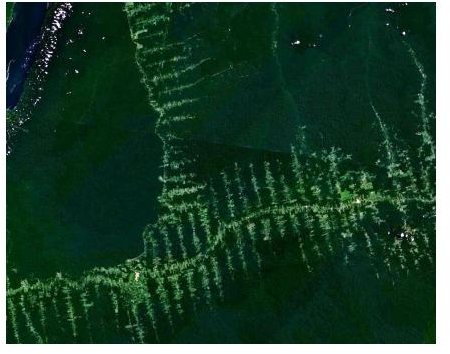
The importance of flora and fauna cannot be seen anywhere as distinctly as in our rainforests. The Amazon rainforest once gave us 20% of our oxygen supply. As their destruction has progressed, so has the incidence of respiratory illness around the world. Some of our most effective drugs come from rainforest plants. Destruction of these plants, and their habitats, will not only affect our health, but our very lives.
Half of the world’s species of plants, animals and and microorganisms have become endangered or extinct due to this pernicious destruction of the rainforest. Birds and animals are in part responsible for keeping the rainforest alive, by spreading seeds through their feces. Without them, many plant species cannot propagate, and will disappear.
Man’s Destruction of Ecosystems
Man, in his quest for money and power, has created a world in which the ecological balance of flora and fauna has been destroyed, in many instances causing the extinction of entire species due to destruction of habitat and food sources.
Manmade “acid rain ” killed entire forests when it blew into Canada and fell on the trees there. Smog has killed plants, animals and even humans. The hole in the ozone, said to be the main cause of the melting arctic ice caps, is (like acid rain) believed to be caused by the foul emissions of coal burning factories.
Global Actions Cause Local Consequences
The world’s ecology is so complex, so fragile, so interdependent, that an ecological upheaval of the flora and fauna of one region of the world (i.e. the destruction of rainforests) can affect the entire planet.
Global trade has introduced species to areas outside of their natural habitat, where there are no predatory species to control their destructive habits.
Fire ants were brought to the United States in a cargo ship. They have caused the death of livestock, people, and many native species of ants and insects.
You need look no further than Florida to see the importance of native flora and fauna on the local ecosystems.
Plants like Kudzu, Brazilian Pepper, Australian Pine, and Chinese Tallow were brought in from other countries to the United States and have invaded and destroyed entire habitats of native flora. The Everglades is being destroyed by Malaleuca, which was seeded by airplanes to dry up the Everglades and allow sugar cane to be planted after the Cuban embargo.
The introduction of non-native brown anoles and Cuban tree frogs into Florida has nearly caused the extinction of native lizard and toad species, which are their prey. Iguanas and other large lizard species, as well as large snakes such as boas and pythons, are invading the Everglades and other ecologically sensitive areas.
In fact, Florida and its port cities have introduced and become invaded by more invasive non-native species than any other state in the U.S.
Imports of salmonid eggs into Japan have caused outbreaks of disease into several of their native fish species, causing great economic and ecological losses.
The list goes on indefinitely. The University of Arizona site tells a shocking tale of the ecological and economic cost of invasive flora and fauna to the U.S. alone every year.
What Can Be Done?
The situation simply is out of control, and although many organizations such as Greenpeace and the World Wildlife Fund, as well as local societies and agencies worldwide are trying, there may be no solution.
The indigenous flora and fauna of the world are dying, and the ecosystem as we know it is dying with them. It has been said, that if insects decided to take over the world, we would all be doomed. If things keep going the way they are, they may just have their chance.
Locally, you can find organizations that are working to teach the importance of flora and fauna native to your area and volunteer or donate money. Globally, you can join organizations like the World Wildlife Fund and support their worldwide mission to save the flora and fauna that support the world’s ecological systems.
Resources
Saving Chinese Tigers in South Africa ( https://www.cbsnews.com/stories/2007/03/27/eveningnews/main2615553.shtml )
Rainforest Facts ( https://www.rain-tree.com/facts.htm )
Coral reefs decimated by 2050, Great Barrier Reef’s coral 95% dead ( https://news.mongabay.com/2005/1117-corals.html )
Plant Management in Florida Waters: Non-Native Invasive Plants ( https://plants.ifas.ufl.edu/guide/invplant.html )
University of Arizona: Monetary Cost of Invasive Species ( https://alic.arid.arizona.edu/invasive/sub7/p2.shtml )
Causes and Effects of Acid Rain ( https://www.brighthub.com/environment/science-environmental/articles/16697.aspx )
Photo Credits:
Giant Panda: Jeff Kubin / commons. wikimedia.org
Deforestation of the Amazon Rainforest: Public Domain - NASA / commons.wikimedia.org
Macaw in Tree: Tony Hisgett / commons.wikimedia.org