A simple guide to determining the three types of rocks with examples of each. Tell the difference between igneous rocks, sedimentary rocks, and metamorphic rocks in the field.
There are three basic types of rocks that planet Earth is composed of: igneous, sedimentary, and metamorphic. Follow these simple guidelines to determine the three types of rocks when looking at various types of rocks in the field.
Igneous Rocks
Igneous rocks form as a result of the cooling of magma. When magma cools and solidifies underground, the resulting igneous rock is plutonic. These types of rocks may be surfaced through weathering processes or the movement of plate tectonics . When magma cools and solidifies during or after being moved to the surface through volcanic processes , the resulting igneous rock is volcanic.
Igneous rocks are classified based on the size and composition of their constituent mineral crystals. As a general guide, the longer the igneous rocks take to cool and crystallize, the larger the mineral crystals will become.
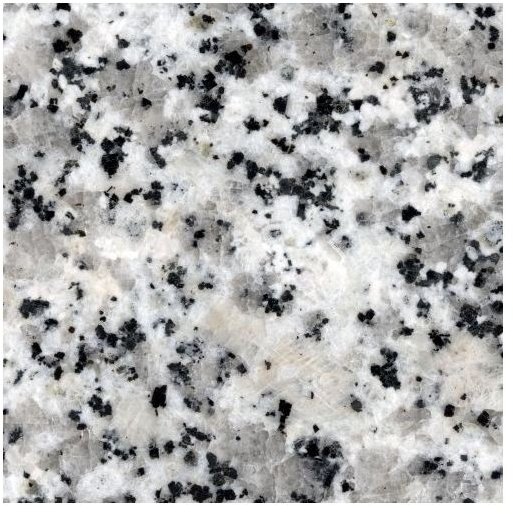
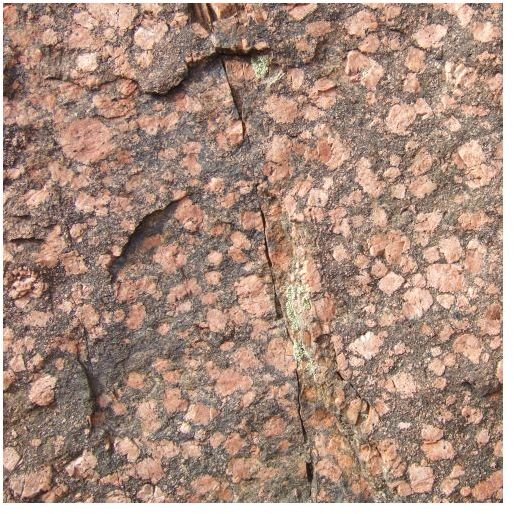
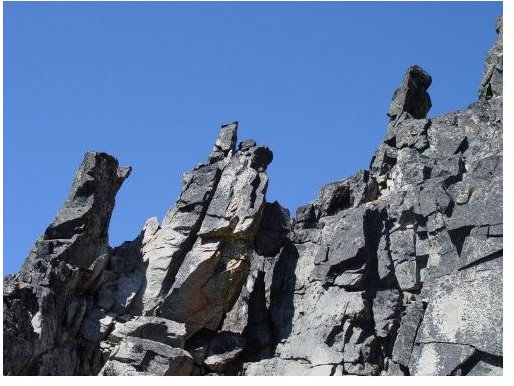
You can tell igneous rocks at first glance if the minerals of the rock are crystallized and fused together with no surrounding cement. Some well-known types of igneous rocks include granite, rhyolite, andesite, diorite, obsidian, gabbro, and basalt.
Gray and Pink Granite l Volcanic Basalt
Sedimentary Rocks
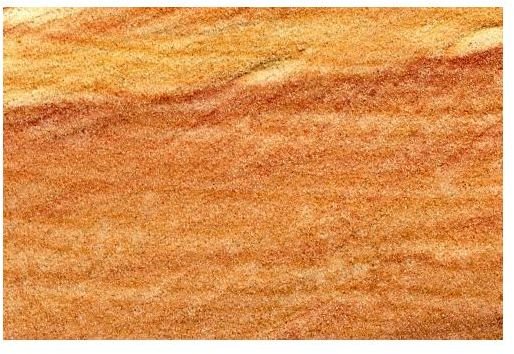
Sedimentary rocks take their compositional elements from other sources that have been weathered to sediment, re-deposited, and re-solidified through compression and cementation. Sedimentary rocks generally have a layered appearance—as sediment is pressed and solidified by the overlying crust; the particles align themselves horizontal to the pressure.
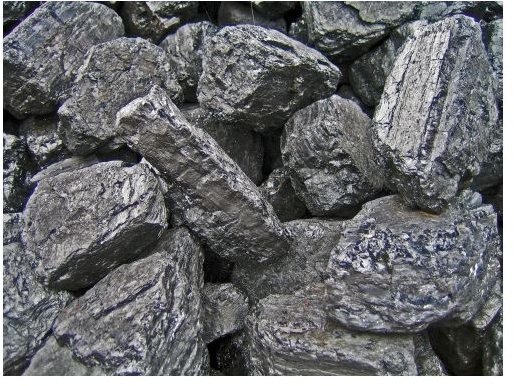
There are three types of sedimentary rocks: clastic, chemical, and organic. Types of clastic sedimentary rocks such as conglomerate, sandstone, and shale, are composed of debris from weathered rock materials. Types of chemical sedimentary rocks such as rock salts and gypsums form as standing water evaporates and dissolved minerals are deposited. Types of organic sedimentary rocks such as coal and limestone form out of calcium, plant, and animal deposits that are buried and solidified before they have a chance to disintegrate.
You can tell sedimentary rocks at first glance if the constituent elements are “glued” together by a surrounding cement, or if the elements are of varying size, shape, and composition as opposed to simple mineral crystals.
Sandstone l Coal
Metamorphic Rocks
Metamorphic rocks are types of existing rocks that have been altered in form as a result of changes in heat and pressure. In mountainous regions, for example, where rock matter is pressed and altered by plate tectonic activity, metamorphic rocks are very common. If you should stumble upon a metamorphic rock outcrop in the field, outside of any mountain range, chances are good that you’re standing at the location of an ancient mountain range that has been weathered away over millions of years.
Common types of metamorphic rocks, such as marble, schist, and gneiss, bear the appearance of having been twisted, folded, or swirled as though the rocks had become pliable or altered. Partial meltdown, pressure, and re-crystallization that occur deep within Earth’s crust at regions of plate tectonic activity are responsible for these characteristics.
Water Woman Marble Statue l Marble Halls at Library of Congress, Washington DC


Every rock on Earth may be classified as one of these three types of rocks. Igneous rocks account for the majority of rock outcrops on the planet while the secondary sedimentary rocks are only slightly less common. Metamorphic types of rocks are less abundant and are limited to regions of mountainous and volcanic plate tectonic activity.
References
Fejer, Eva; Fitzsimons, Cecilia. An Instant Guide to Rocks & Minerals. New York, NY. Gramercy Books. 1988.
https://jersey.uoregon.edu/~mstrick/AskGeoMan/geoQuerry13.html