Mount Vesuvius is a composite volcano famous for the volcanic eruption of 79 CE that devastated the city of Pompeii. Details regarding the eruption style of Mount Vesuvius and the damage to Pompeii as well as the city of Herculaneum to the north.
Mount Vesuvius is a composite volcano that stands over 4,000 feet high on the coast of Naples about six miles east of the city. Though it has erupted more than a dozen times in written history, people all over the world remember it most for the eruption that devastated two cities, Herculaneum and Pompeii, on August 24th and 25th in 79 CE.
Herculaneum and Mount Vesuvius
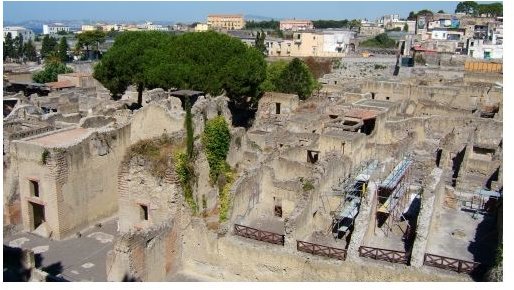
Home to nearly 5,000 of the wealthiest Romans, Herculaneum was a sumptuous city by the sea. The Villa of Papyri, discovered by accident in the 18th century, towered above the town and offered a panoramic view of Mount Vesuvius and the bay. Herculaneum’s most affluent visitors would bathe in the public pools and delight in the majestic Greek architecture, expansive, richly painted frescoes, and incomparable library of resources. On the morning of August 24th, when the initial phase of Mount Vesuvius’ volcanic eruption commenced, Herculaneum was the first to see it.
Archaeological evidence suggests that most residents of Herculaneum were unsure of where to go during the composite volcano eruption. Many hid in their homes, under staircases and furniture, praying the eruption would pass them over. Looters scrambled to snatch up precious gemstones and artifacts in the panic. Many people fled to the streets in an effort to leave the city. Others, paralyzed with fear, stared in horror as a column of volcanic ash and steam rose from Mount Vesuvius and shook the ground beneath their feet.
By mid-afternoon, the volcanic cloud was so thick and heavy in the sky not even the sun could penetrate it. Darkness enveloped Herculaneum. Around midnight, a burning storm of ask and lethal volcanic gas crashed down on the city. Most of the victims were cremated on the spot, while others had their flesh burned from their bones and their skeletal remains were buried in 5 feet of volcanic eruption material that archaeologists wouldn’t uncover until the 1980’s.
A composite volcano, like Mount Vesuvius, undergoes different phases of eruption. Pliny the Younger, one of the few survivors of the 79 CE composite volcano eruption, described the blast as a “pine tree shaped” cloud of ash and volcanic gas. For this reason, the style of volcanic eruption that Mount Vesuvius became famous for was termed a Plinian eruption—recognized by its pine tree shaped column of volcanic ash and steam, and its downpour of primarily pumice, ash, and poisonous gas.
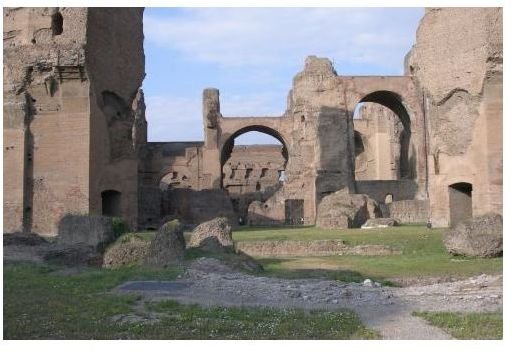
Ruins at Herculaneum l Roman Bath House
Pompeii and Mount Vesuvius
Pompeii, during its time, was considered a booming metropolis. Pompeii was larger and wealthier than Rome. Ancient Egyptian and Greek architecture, artwork, and religious statues filled the streets. Picturesque vineyards and crops stretched as far as the eye could see. Emperor Nero would pay visits to Pompeii and take in the fine dining, music, street festivals, and literature the grand city had to offer. Merchants, gypsies, artists, and the Roman elite all gathered together to celebrate life in the city of Pompeii.
Excavations of Pompeii reveal a grim and terrifying end to what was once a vibrant city. When the first eruption of volcanic material from Mount Vesuvius reached Pompeii by late afternoon, August 24th, many victims attempted to flee the city by boat, only to find the sea much too turbulent to escape in time.
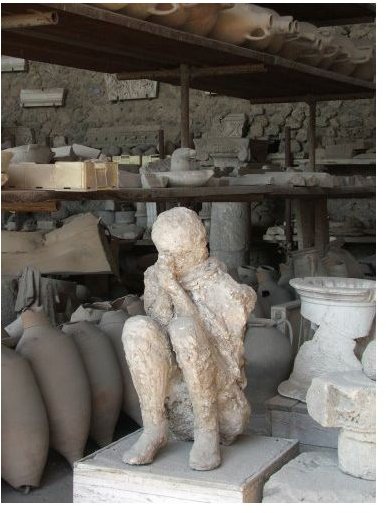
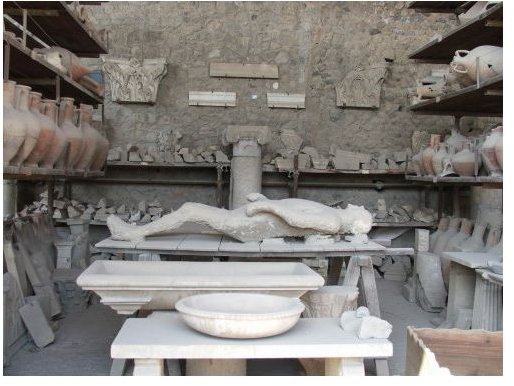
While the citizens of Pompeii had more time to escape than the victims of Herculaneum, thousands wasted too much time pulling together their belongings or looting abandoned homes. Victims at Pompeii were found preserved in tombs of solidified ash clinging to their children, pets, or household objects, wearing all their jewelry, or huddled in their homes with family. Plaster casts taken of the victims at Pompeii expressed in alarming detail bodies frozen in time, writhing in agony, wrapped protectively around their children or with their arms thrown up over their faces in an attempt to shield their eyes from the composite volcano eruption.
Pliny the Younger barely escaped with his life after witnessing his uncle, Pliny the Elder, suffocate to death on poisonous gas while returning to Pompeii to save his family. Thanks to Pliny the Younger’s account of what happened that day, volcanologists know more about the nature of a composite volcano eruption and the details of the Mount Vesuvius eruption in 79 CE.
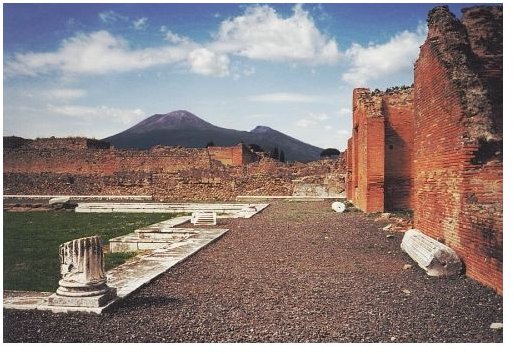
Ruins of Pompeii and Mount Vesuvius l Casts of Victims at Pompeii
References
https://www.wisegeek.com/what-should-i-know-about-pompeii.htm
https://www.sheppardsoftware.com/Europeweb/factfile/Unique-facts-Europe36.htm
https://www.fieldmuseum.org/pompeii/about.asp
This post is part of the series: Exploring Volcanoes
A comprehensive guilde to some of the world’s most famous volcanoes, geysers, lava flows, and volcanic rock formations.