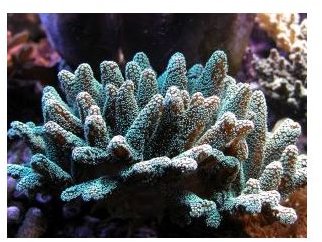
An overview of the coral reefs of the Philippines, their benefits, and the challenges and triumphs of their conservation
Coral reefs, one of the richest and most interesting ecosystems on the planet, provide shelter and food for a wide array of living organisms. The coral reefs of the Philippines are among the most diverse, providing a home to more than 900 fish species and more than 400 coral species, including many that are endemic to the area. The system is part of the Coral Triangle that encompasses, in addition to the Philippines, the countries of Indonesia, Malaysia, East Timor, Papua New Guinea and the Solomon Islands. The triangle, which covers 1.6 billion acres, contains 75 percent of the world’s coral species.
The Philippine coral reefs total about 6.5 million acres (26,000 square kilometers). More than 7,000 islands and the warm ocean waters that surround them have resulted in numerous reefs, both small and large, around the country. Some of the larger ones are under government or international protection as marine reserves. Among these are the Tubbataha Reef Marine Park in Palawan, Apo Reef in Puerto Galera, Apo Island in Negros Oriental, and Verde Island Passage in Batangas. The wealth of marine species and the beauty of these reefs have made them the model for coral reef exhibits in the Steinhart Aquarium of the California Academy of Sciences and the Shedd Aquarium in Chicago.
Benefits of Coral Reefs
The Philippine’s coral reefs have many economic, cultural and environmental benefits. The structure of the reefs protects the coastline from the eroding action of the ocean by acting as wave breakers. During typhoons and hurricanes, the reefs act as buffer zones that protect the coastal communities.
Majority of the villages on the coast depend on the reefs for their daily living, mainly through fishing. The beauty of the reefs also draws many divers and tourists eager to experience them first-hand through dive and snorkeling tours. These tourism activities support many communities directly and indirectly through adjunct services.
Challenges Facing Coral Ecosystems in the Philippines
Coral reefs have endured for many millennia and appear to be hardy at first glance. In fact, corals are extremely fragile, are among the most endangered ecosystems in the world, and easily affected by slight changes in their environment. Many of the world’s coral reefs are experiencing threats not just from natural events but also, more significantly, as a direct result of human activities. Unless drastic measures are taken, more than half of them will disappear in the next 15 years. The coral reefs of the Philippines are a prime example of an endangered marine ecosystem.
As ocean temperatures rise, the effect is seen in massive die-offs of coral reefs all over the world. The result is a visible bleaching of the existing coral, the death of polyps and the disappearance of marine species in the area. However, the most significant challenges in coral system conservation are destructive human activities.
Over-zealous and destructive fishing practices are threatening both the diversity and abundance of fish populations that live in the reefs. Some of these practices are over-fishing, cyanide poisoning, and the use of dynamite, which permanently damage the reefs.
Deforestation, increased agriculture, urbanization and mangrove destruction also cause damage indirectly as harmful sediment is washed from the soil and into the sea. The release of household and industrial wastes directly into the sea causes untold destruction due to chemical poisoning of the reefs.
Triumphs in Philippine Coral Reef Conservation
Progress in coral reef conservation in the Philippines has been slow, but there have been significant advances worth celebrating. Coastal villagers are being educated on the importance of the coral reefs on their daily lives and on the necessity for their protection. The establishment of community-managed fish sanctuaries has helped villages take on more active roles in economically beneficial endeavors that do not harm the environment. Destructive fishing practices such as muro-ami, which involves knocking on the corals to drive the fish out, have been banned.
Some communities, such as Bohol, have adopted eco-tourism, giving them an economic reason to protect their local environment.
Though government laws mandating conservation have been passed, the evidence is that local initiative and involvement is the most effective method for the protection of coral reef and other ecosystems.
For more information, visit these sites:
https://www.reefcheckphilippines.org/
*****
Image credit: sxc