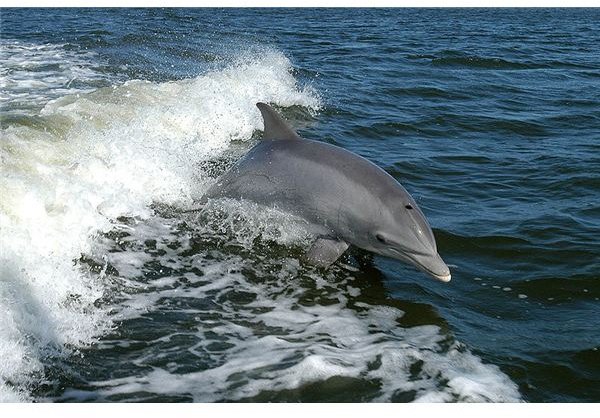
Many a student’s dream job is to work with whales, dolphins and other sea creatures. Learn more about a career in marine mammalogy and where they find work.
Do you love dolphins? Are you fascinated by whales and the enchanted world in which they live? If so, a career as a marine mammalogist may be perfect for you. Marine mammalogy is simply the field devoted to the study of marine mammals which include any mammal that spends a large portion of its time in the water and depends upon the aquatic environment for its survival. This includes whales, dolphins, porpoises, manatees, seals, sea otters, polar bears, and walruses.
Where They Work
Marine mammalogists work in a variety of settings including research vessels in the open sea, research facilities, the US Navy, marine parks, marine mammal rescue centers, universities, aquariums, zoos, dolphin human therapy centers, and conservation organizations.
According to the Bureau of Labor Statistics, Wildlife Biologists and Zoologists earn a median salary of $57,430 per year. The growth for this field is slower than average, so it may be difficult to find a job in this arena. However, those with a passion for Marine animals will hardly find this a deterrent. Be prepared to work hard in school to sufficiently prepare for the job.
What Do Marine Mammalogists Do?
So what exactly do those working in the field of marine mammal science do, anyway? Members of this exciting and rewarding field partake in a multitude of activities in their career depending on the place of employment and their particular aims. Some may do research on any number of topics from whale biology to social structures of seal colonies. Your work could involve studying various populations of marine mammals and the impact that environmental changes are having on them, find ways to conserve endangered populations, or work with rehabilitation centers to care for rescued marine mammals that may have been injured or stranded, or train dolphins to work with ill children at a dolphin therapy facility. The possibilities are endless as more threats face marine mammals in this changing environment.
How Do You Become a Marine Mammalogist?
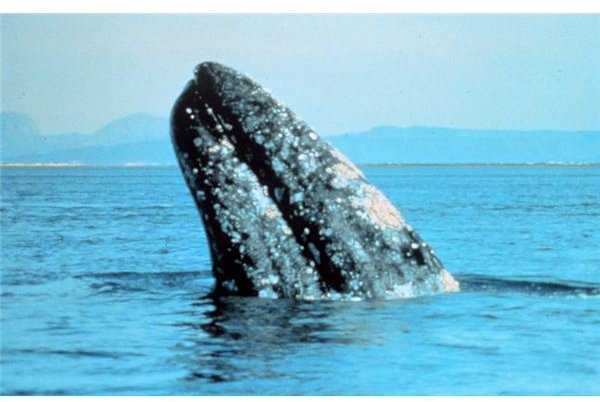
The educational background for those working with marine mammals can very from a variety of related fields including the typical fields of marine biology, zoology, and marine science; however, some of those who work in this field also hold degrees in animal behavior, conservation biology, environmental science, or even psychology. The type of educational background that you will need depends greatly upon what avenue of marine mammalogy you wish to pursue. There are a variety of programs offered around the country that can help you to prepare for a career working with some of the most amazing animals on the planet. The Marine Mammal Center has a great list of educational programs from various states that can help you get started on this great career path.
Resources:
NOAA’s Careers in Marine Biology: https://swfsc.noaa.gov/textblock.aspx?id=54
MARMAM.ORG: https://marmam.org/
Bureau of Labor Statistics: https://www.bls.gov/ooh/life-physical-and-social-science/zoologists-and-wildlife-biologists.htm