Endangered Species: Albatross
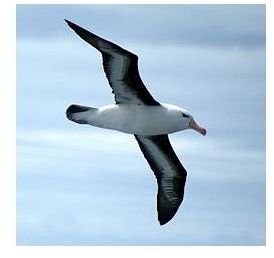
Albatross
About The Albatross
Albatross population has suffered a dramatic decline during the last decade. As of 2009, 19 of the 22 species are officially recognized as either vulnerable, nearly threatened or critically endangered. While most species still have several thousand breeding couples, some, like the Amsterdam Island albatross, have dwindled to less than a few hundred. These birds are facing extinction if action is not taken immediately.
Some Facts About the Albatross
To many of us, familiarity with this unique bird starts with reading poetry. Two bards, Coleridge and Baudelaire, immortalized the albatross in their works, The Rime of the Ancient Mariner and The Albatross, respectively. Both expressed qualities that we attribute to albatrosses till this day: independence, solitude, fortitude and omen.
Albatrosses possess a combination of physical traits rare among marine birds. They have wings designed for gliding winds, and they travel by riding ocean updrafts, sometimes for hours. Most species are colored in black and white, few having some gray, brown and yellow areas. Albatrosses have a large, sharp and powerful beak and highly developed sense of smell. Despite their webbed feet, they are relatively good ground walkers.
Usually solitary, they congregate in colonies – sometimes interspersed with other birds – in order to mate and reproduce. Albatrosses achieve sexual maturity at around 12, mate for life and are known to be monogamous (and long-living – many live up to 60 years). The courting ritual involves a protracted dance routine that consists of elaborate movements and sounds. A pair of birds produces one egg, on which both parents sit, and will care for the chick for months until it is able to fly. Albatrosses reproduce only once every two years.
Albatrosses can be found almost anywhere in the South Ocean (Antarctica, South America, Australia), and in parts of the northern Pacific. They eat fish, small crustaceans and squid. They are also known opportunists, and sometimes follow fishing boats, feeding on scraps. This opportunistic streak has also become their downfall: the birds get entangled or hooked by the longlines that fishermen use to catch fish.
Longlines and Solutions
100,000 birds die each year because of longlines. Open ocean fishermen use longlines to catch rare or popular species of fish, later to be sold on various markets across the globe; they spread the deadly gear for dozens of miles, contaminating the Albatross natural feeding territories. Tempted by easy prey, the birds dive and get entangled or caught in the line, later to be discarded. Many of the fishermen are in fact pirates who aggravate the existing overfishing problem – and destroy entire Albatross populations as a collateral of their illegal activity.
Albatross mating habits combined with the slow reproduction rate contribute to their vulnerability: the Albatross cannot recover in a matter of a year or two, and it will probably take decades for the species to flourish once again.
Fortunately, there are several solutions to the longlines problem. For instance, painting the gear with blue will repel the birds, who associate the color with something unsavory or inedible. Another solution consists of sinking the lines deeper under the surface – this will conceal the dangling catch from the birds’ eyes. While these adjustments will save thousands of Albatrosses from demise, they are also economically pragmatical: albatross can consume up to 30% of the catch, causing significant losses.
These steps must be taken immediately in order to save these magnificent creatures. Not all countries impose Albatross-saving regulations – and pirates everywhere ignore them altogether. As it often happens, the evident economical advantage might be the only effective incentive, on both sides of the law. Here, however, we enter the less predictable domain of human nature.
A dedicated website, <em>Save the Albatross</em>, was established to alert and educate the public about the dangers these magnificent birds face.