Idaho isn’t home to just potatoes, it’s also home to a wide variety of animals, plants, and ecology.
Welcome to Idaho
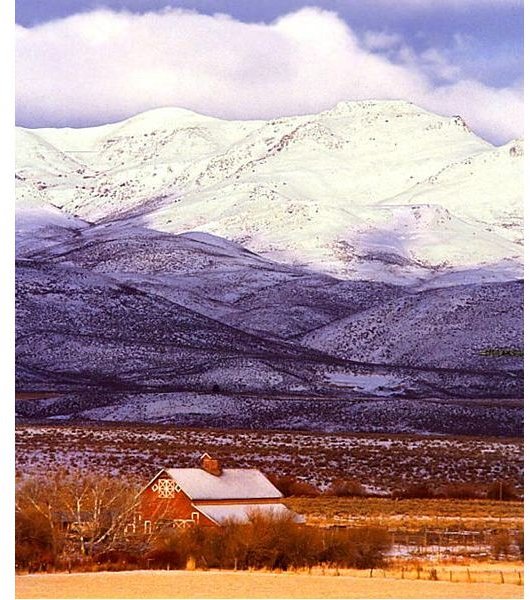
Idaho is diverse not only in its plant and animals species, but in its topography, geology, and climate. Northern Idaho is mountainous and covered by coniferous forests dotted with pristine lakes, while Southern Idaho couldn’t be more different, with vast prairies, farms, and desert covered by sagebrush. Northern Idaho is home to Douglas fir, Engelmann spruce, and other cone-bearing softwood trees. Southern and central Idaho is prized for its rich soil, known as loess, which is a mixture of volcanic deposits and windblown materials.
Idaho is ranked 25 against other U.S. states in terms of species diversity. It’s also ranked 22 for risk levels, 51 (last) for species extinction, and 14 for endemism. The state known for its potatoes is home to the endangered Idaho springsnail and the white bark pine. The white bark pine is considered a keystone species—it both depends on another species and other species depend on it for survival. Since the tree’s pine cones are hard and won’t break upon falling from the tree, it depends on Clark’s nutcrackers to crack open the cone and disperse the seeds. The nutcrackers then depend on the tree for food. The white bark pine population is currently in decline.
Idaho Ecosystems
Idaho is divided into five ecosystems, which are divided even further into ecological sections. The five regions are the Canadian Rocky Mountains in northern Idaho, the Middle Rocky Mountains in the central portions of the state, the Columbia River Plateau following the winding Snake River, southeastern Idaho’s Utah-Wyoming Rocky Mountains, and the Wyoming Basins also in the southeastern part of the state.
Species of Concern
Idaho’s industry has led to the decline of many species. The Pacific Lamprey used to be abundant in Idaho waters but is now constricted to certain river drainages and tributaries. A series of dams along the Snake River have impacted the Pacific lamprey population. Degradation of habitat from farming, urbanization, logging, and mining have also contributed to this species’ decline.
Both populations of the southern and northern Idaho ground squirrel have declined by 80 percent since 1985. These subspecies are known to exist only in two counties in western Idaho.
The sockeye salmon has been listed as endangered since 1992, with dams, loss of habitat, and pollution to blame for their decline.
Idaho is a state of much diversity, but all this could be lost if a balance isn’t reached between human development and natural habitat.