All life on Earth is interconnected to form a balanced, healthy ecosystem, and all species are dependent on each other in some way or another. Biodiversity is essential to a healthy planet, yet many species face extinction. Let’s explore some of the causes and effects of endangered animal species.
Common Causes of Species Decline
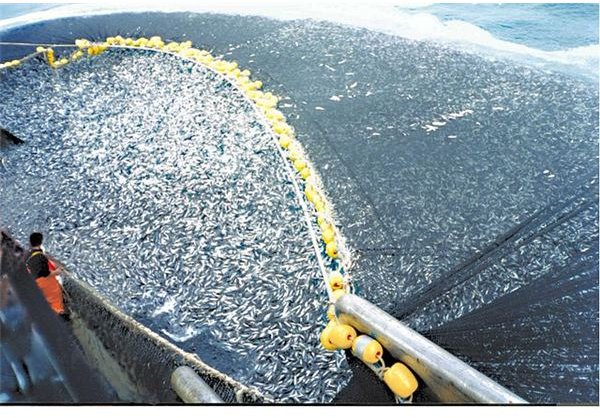
Some of the things that can upset the equilibrium in an ecosystem and contribute to the endangerment of the species within that system include overexploitation, habitat loss, and/or the reduction in resources essential for survival. Other factors, such as disturbance during the breeding season, or falling victim to non-target by-catch of intensive fishing practices, over a period of time may also cause a species to become endangered.
Overexploitation
Overexploitation of animals is one of the most obvious causes of species endangerment. This occurs when the species is harvested on an unsustainable basis, where the number of animals removed from the population is greater than the number replaced through reproduction or recruitment.
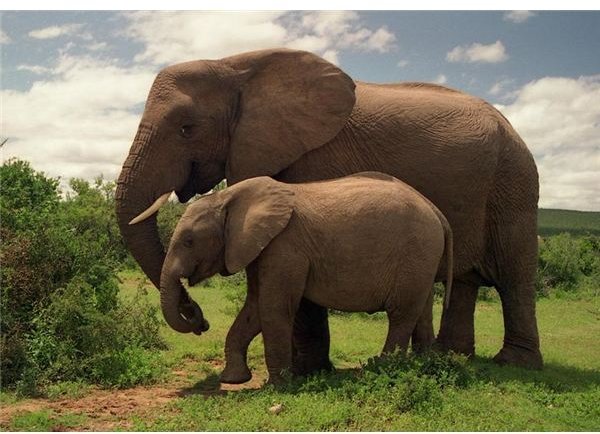
The motivation for unsustainable harvesting is usually greed as high profits are received in return for the sale of the animals harvested. The demand for the target species may be for food, such as in the case of the endangered Bluefin tuna , or there may be a high demand for the species in the exotic pet market, such as can be seen in the trade in wild African Grey parrots. Sometimes the animal or its body parts may be valued for its medicinal or aphrodisiac properties, such as rhino horns or shark fins, or for its ornamental value such as ivory obtained from harvested elephant tusks. In the case of illegal shark fishing, or rhino and elephant poaching, the only parts of these animals that are utilized are the fins, horns or tusks, with the rest of that animal discarded and left to rot where it was killed. In most cases, it is not only the individuals that are removed that reduce the population numbers, but it is the long-term impact on the population due to the reduction of the breeding individuals, as usually the bigger fish, or older animals with large horns or tusks are targeted. Very often these animals have young offspring at their sides, who are abandoned and left to starve to death, further reducing the population. As the remaining population is slowly reduced to immature individuals, the population steadily decreases while the poaching of mature animals continues unabated. An area of growing concern is the plunder of wildlife for the bushmeat trade in Africa, where wild animals are being wiped out by local human populations on an unsustainable basis for a source of food. This is having a dire impact on the conservation of African wildlife in the rainforests and conservation areas bordering human settlements.
Habitat Loss
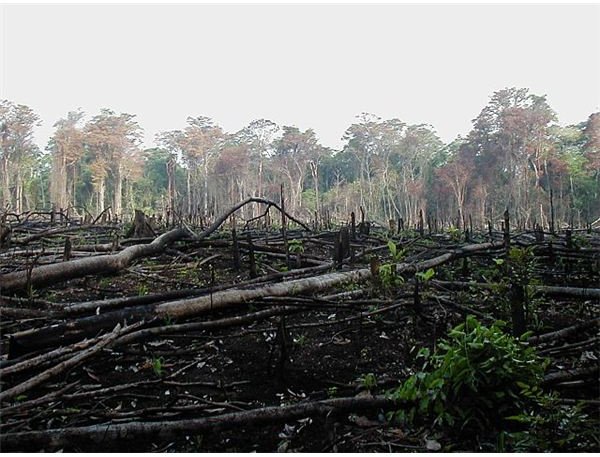
Habitat destruction is another major threat that causes animals to become endangered. Habitat loss can occur as a result of human activities, such as deforestation, mining, development, or human encroachment, or it may occur as a result of natural events, such as wildfires or other natural disasters. It may even occur as a consequence of both human activities and natural events, as is the case with habitat loss resulting from global warming and climate change (direct cause) brought on by human activities over time (indirect cause).
As the loss of one species effects all the other species dependent upon it, if plants or trees are removed extensively from an area, all animals dependent upon these for food, shelter, protection, or for nesting or breeding sites are placed at risk. Some animals are able to disperse to other areas, but some are not. Endemic species are species of plants or animals that are only found in a certain area, and nowhere else in the world. These species are particularly vulnerable to habitat loss as they cannot exist anywhere else and are completely dependent on their habitat for their survival.
Habitat deterioration due to pollution may also make an ecosystem unsuitable for animals to inhabit, or it may cause mass mortality due to toxins contaminating the environment. Eutrophication is a common form of water pollution responsible for mass die-offs in both terrestrial aquatic waterways and marine systems (red tides). This occurs when excessive nutrients flow into the system causing phytoplankton to flourish. Once all the nutrients are depleted, the phytoplankton cells die, and the dissolved oxygen in the water is depleted as the plant cells are broken down by bacteria in the decaying process. The result of oxygen depletion (hypoxia) in a water body is mass die-offs of fish and other animals that require oxygen for survival. This in turn, affects species up the food chain that are dependent on these species for food.
Competition for Resources
Competition with other species for resources such as food or breeding sites often causes vulnerable animals to become threatened. For example, seabirds, such as the endangered African penguin , are often outcompeted for breeding sites by seals, who are a real threat as they are much larger and will readily attack and eat penguins at sea. Seals also compete with seabirds for prey fish, so when food is limited, seabirds have to travel further to find food for their chicks, spending more time away from their nests, resulting in high chick mortality. Competition with other species for resources may not have a huge impact on species directly, but when combined with other factors mentioned in this article, it can lead to a steady decline in the population over time, with severe consequences.
Global Warming
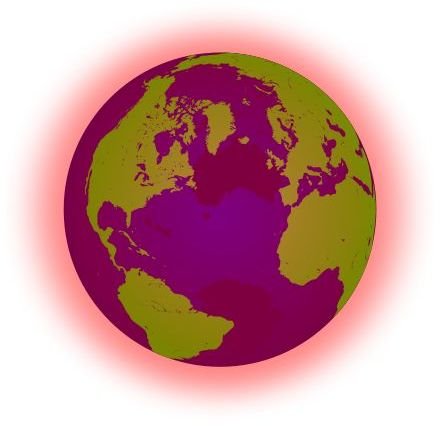
Global warming is having an enormous effect on many species as habitats undergo radical change in response to climate change. With ice caps melting, penguins and polar bears are feeling the heat and are severely affected by habitat loss. In addition, changes in sea temperature affect productivity in the oceans, and ultimately affect food availability up the food chain.
On land, the rise in temperatures is affecting weather and rainfall patterns, with extreme weather being experienced on a grand scale. Droughts are more common, and tropical rainforests and savannah regions are being transformed into barren wastelands due to desertification. As weather patterns shift, other areas experience extreme storms and flooding, drowning large tracts of land.
While global warming is contributing to habitat loss, and consequently threatening plant and animal species on a grand scale, it is primarily a result of deforestation due to human activities, such as agriculture, logging, and mining, combined with increased greenhouse gas emmissions from industrialization in the first place. The removal of vast tracts of forests has had a devastating impact on the planet. The plants and trees are the lungs of the Earth, acting as a carbon sink by assimilating carbon dioxide, which is converted to carbon in the process of photosynthesis and released as oxygen, which is essential for all animals to survive. The removal of vast expanses of forests reduces the capacity of the Earth to regulate carbon dioxide through the mechanism provided by the process of photosynthesis, yet at the same time, more and more fossil fuels and greenhouse gases are being emitted resulting in a steady rise in temperature and a radical change in climate patterns all over the world.
Initiatives to Protect Endangered Wildlife
Initiatives to help endangered species include the IUCN Red List of Threatened Species, compiled by the International Union for the Conservation of Nature (IUCN) where threatened species are listed according to a set criteria and categorized according to conservation status as vulnerable, threatened, or endangered. The Red List is a tool that enables conservation bodies and relevant authorities to take precautionary measures to halt the demise of endangered species. Data is obtained from research projects sponsored by the World Wildlife Fund (WWF), and Birdlife International to name a few. WWF and Birdlife International, together with many other conservation organizations, not only spend time and money on research, but also on creating awareness of the plight of endangered species and the problems facing our planet.
Monitoring Trade in Endangered Wildlife
The Convention on International Trade in Endangered Species of Wild Fauna and Flora (CITES) is an international agreement between governments, aimed at ensuring that international trade in wild species does not threaten the survival of these plants and animals. Endangered species are listed on one of three CITES appendices according to the level of trade permitted in order to control the international trade in threatened species. To this end, the wildlife trade monitoring network, TRAFFIC is an international organization dedicated to monitoring wildlife trade and providing essential information to wildlife authorities to ensure that the trade in wild species does not threaten the conservation of nature.
Captive Breeding Programs
In severe cases, where animals are facing extinction in the wild, captive breeding programs may be initiated in order to boost wild populations. In some cases, such as the endangered African penguin, abandoned young or chicks may be recovered from the wild and hand-raised in captivity to be released into the wild when fully capable of fending for themselves. Captive breeding programs are often used to supply a demand for threatened wild species, such as exotic parrots, from a captive breeding program to reduce the pressure on wild animal populations.
What Can We Do?
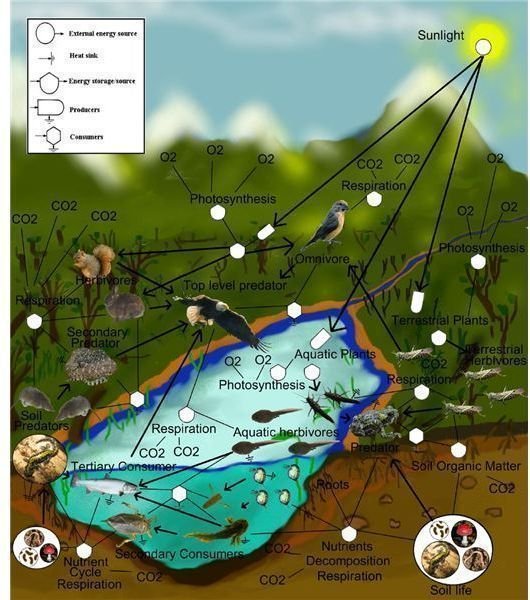
An ecosystem functions like a giant well-oiled machine. It is made up of biotic and abiotic components, fueled by a combination of biological and geochemical cycles, and kept finely tuned by complex food webs, and even more complex interactions between species. The removal of any of the cogs that make the machine function, or any of the resources that make the machine run smoothly, can ultimately cause the system to malfunction, or break down completely. In order to protect the health of the machine, we need to look after the components that make up the whole.
We can all do our bit to reduce the pressure on our environment to a lesser or larger degree, in order to eliminate the causes and effects on currently endangered and all other species. The following list provides a guideline for starters:
-
 Advertisement
Support initiatives to protect and save endangered species.
-
Shop wisely, purchase eco-friendly products, and try to understand the implications of your purchases on the planet’s resources.
Advertisement -
Remember to ‘Reduce, Reuse, and Recycle’ wherever possible in order to reduce the demand for natural resources, and to reduce the amount of greenhouse gases, waste and toxins from entering the environment and contaminating our planet.
References
CITES: https://www.cites.org/
IUCN: https://iucn.org/what/tpas/biodiversity/about/
TRAFFIC: https://www.traffic.org/
WWF International: https://wwf.panda.org/about_our_earth/biodiversity/
Image Credits
Over Fishing :Wikimedia Commons/C. Ortiz Rojas [Public domain]
Deforestation : Wikimedia Commons/Jami Dwyer [Public domain]
Global Warming : Wikimedia Commons/Jackl [ CC-BY-SA-3.0 (www.creativecommons.org/licenses/by-sa/3.0/ )]
Elephants : Wikimedia Commons/Brian Snelson [CC-BY-2.0 (www.creativecommons.org/licenses/by/2.0 )]
Food Web : Wikimedia Commons/Thompsm [CC0 (creativecommons.org/publicdomain/zero/1.0/deed.en)]
Recycle : Wikimedia Commons/Jakub Jankiewicz (Open Clip Art Library) [public domain]