Chocolate as Renewable Energy: Bacterial Fuel Cell Technology Powered by E. coli and Chocolate Production Waste Material
Bacterial Bio-fuel Conversion
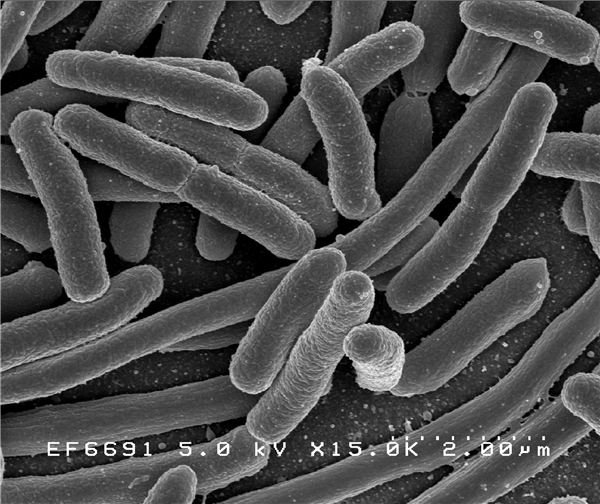
Bacteria are not normally regarded as renewable energy sources. When people think of bacteria, they will have images of microscopic critters that can cause diseases. Many bacteria do cause diseases. But there are also good and useful bacteria. One emerging use of bacteria is in the research about how to make hydrogen fuel. Technically, bacteria are not the source of energy. But with their ability to break down organic matter to produce fuels such as methane, ethane, and hydrogen, bacteria are becoming more viable means of producing alternative fuels.
Can bacteria really produce energy? Bacteria do not purposely produce fuels for the benefit of mankind. They simply consume organic wastes. By “eating” these wastes, the bacteria expel their own wastes, which humans consider alternative fuels. The process of using bacteria to produce these fuels out of bio-matter is simply called bio-fuel conversion. Bio-fuel conversion is not a new technology. Bacteria and other microorganisms have been used to produce fuel out of seaweed, corn, coconut oil, poultry wastes, and other organic-based materials.
Bio-fuels, however, were deemed not feasible because there is a fear that farmers would plant corn to make fuels instead of selling the corn as food. Obviously, a world abundant in energy but lacking in food is not welcome. But with an impending severe global energy crisis, the idea of creating alternative energy from bacteria is being revisited. Organic wastes, after all, have the same atoms as the ones that make up fuels. One bacterium under study is the Escherichia coli and its ability to break down chocolate wastes to produce hydrogen.
How Bacterial Fuel Cells Use Wastes from Chocolate Production
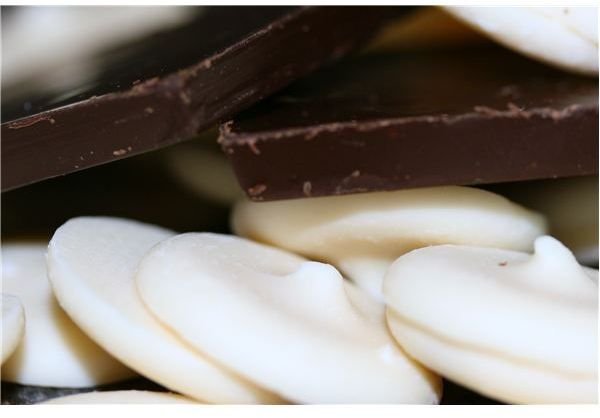
The most successful research about E. coli and chocolate energy was conducted at the University of Birmingham in the United Kingdom. Most bacteria would ferment organic wastes and produce hydrocarbons, such as methane and ethane. With the E. coli’s case, the end product of fermenting chocolate waste is hydrogen gas. Hydrogen is considered as clean fuel because using it will produce only water as a by-product. This is why many scientists spent their careers searching for better ways on how to make hydrogen fuel. In bio-fuel conversion, the E. coli made short work of it by breaking down the components of sugar wastes produced from making chocolates. The researchers at the University of Birmingham realized that the initial fermentation phase of the sugar wastes led to the production of formic acid, the same chemical found in insect stings. Due to the toxicity of the acid, the E. coli bacteria responded by rapidly converting the acids into hydrogen gas.

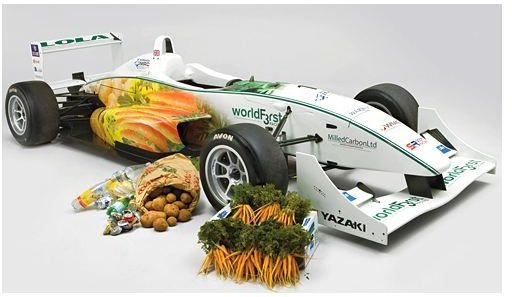
Can this particular species of bacteria really produce a viable form of energy? The produced hydrogen was tested in a fuel cell that is connected to a small fan. The experiment showed that hydrogen could supply enough power for fuel cells. A few months later, two British adventurers, Andy Pag and John Grimshaw drove a BioTruck across the Sahara desert. The BioTruck was using alternative fuels from chocolate. Then, researchers at the University of Warwick assembled a racecar that runs on chocolate-converted fuel. The environment-friendly car was called the Formula 3 speedster.
Creating alternative energy from bacteria offers a promising solution to the global energy crisis. At present, the alternative fuels produced from chocolate wastes and other similar organic materials are not yet as economically feasible as other renewable sources of energy (e.g. solar, wind, geothermal). But the chocolate-energy research is a major breakthrough that could transform waste treatment processes into industry-wide electricity production.