Modern Wind Turbine Furling Systems
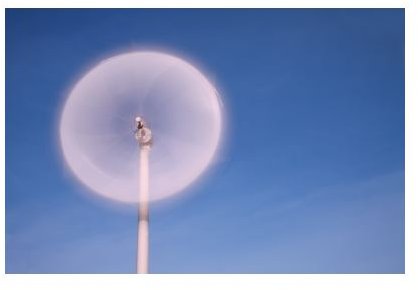
Wind turbine furling is all about motion of turbine blades in the wind. If the motion of wind and turbine blades is not synchronized, wind turbine blades will be damaged. Turbine blades are expensive and if proper furling methods are not implemented, blades will be damaged. Proper furling helps in controlling the spinning motion of blades in very high winds and also improves efficiency of the turbine.
Image: <em>Windy Day</em>
Conventional Wind Turbine Furling
Wind turbines start swaying and moving extremely fast when the wind is high, resulting in blade damage. The conventional furling method is to install a passive system for yawing the turbines sideways and thus escaping continuous high wind thrusts. However, for turbines with larger capacities, conventional methods do not help and high winds affect the blades.
The problem with conventional wind turbines is that they are not able to operate past a certain speed. If the wind becomes too powerful, the turbine can potentially begin to rotate too fast. This damages hhe blades as well as the turbine itself, which can become overworked and will consequently overheat.
The solution for this has always been wind turbine furling, which is a kind of mechanical brake which slows down rotation of the blades. The blades are turned in to the wind, so that more wind spills through and less force is put on the blades. The problem with this system has always been that the system is slow and does not adequately protect the turbine from damage. However, now better electronically-controlled furling systems are available that automatically keep a check on blade motion in high winds. A Canadian wind turbine company called True North Power NG has developed a much more intelligent, more efficient kind of wind turbine that will potentially allow wind turbines to generate far more power than they otherwise do.
Improved Efficiency of Wind Turbines
New furling methods include installing motors on individual blades to give them slight sideways motion away from the wind direction. Electronically controlled furling systems keep a check on the RPM count and turbine direction. In case of very high winds, system shutdown is also possible through these furling systems so that damage is minimized. New and improved wind turbines use an intelligent microprocessor to regulate its rotation with a braking system. It immediately regulates the speed of the turbine, and minimizes any potential damage. When the microprocessor senses bad weather, it turns on an electromagnetic braking system, which will help the entire wind turbine weather the storm with minimal damage done to the blades or the turbine. This also means that there are less moving parts, and consequently less accumulated damage on the entire wind turbine system. The new system is also far more efficient and produces more wind power.
With depleting resources, it is important to make the best use of wind energy and develop efficient wind farms that rely on nothing but wind energy, which is going to last as long as human beings will last. Without wind or air humans cannot sustain, and as long as wind is available we can produce as much as electricity as we want.
References
Wind Solution, Lauritzen.biz(pdf)
Wind Power in USA, URL(pdf)