Organic Foods Advantages and Disadvantages — Why Go Organic?
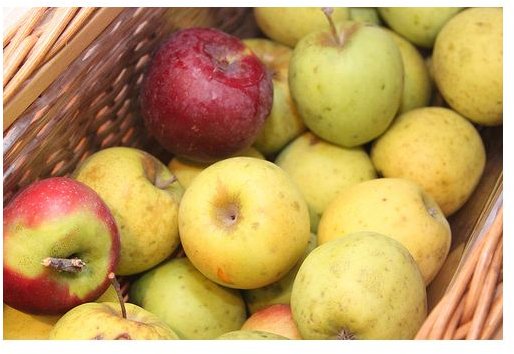
Organic Certified
What does organic certified mean? Why is organic considered better? Organic produce is grown without the use of any chemical toxins — no pesticides, no synthetic fertilizers and nothing is genetically modified. Livestock is raised without the use of antibiotics or growth hormones. Not only do organic farmers follow these basic rules but they also have a focus on environmental sustainability, making efforts to use renewable resources and to conserve both soil and water for future use. Manufactured organic products, such as pastas or teas, have to be made from organic foods in facilities that are certified for organic practices of food preparation.
On one hand, all the effort put into the well-being and natural state of the food yields a superior product that does not have a very negative environmental impact. On the other, because so much effort is made, costs are higher, and there is still an environmental impact. Ultimately, there are organic foods advantages, and disadvantages.
What Are the Benefits?
What are the benefits of organic foods? Going organic has its advantages, which is why many people are willing to pay a higher price for certified food products. Organic gardening provides more nutrients for the soil through natural fertilizers, so fruits, vegetables and grains are themselves healthy, while also providing more nutrients and antioxidants for those who consume them. According to the Journal of Alternative and Complementary Medicine, a study in 2001 found greater concentrations of every vitamin and mineral researched. At the First World Congress on Organic Food, held in 2004, it was reported that researchers had found less pesticide residues, and higher amounts of omega-3 fatty acids in organic foods.
Without the use of any synthetic chemicals, there isn’t the concern about pesticides, growth hormones or other artificial substances. This is the case for the consumer, but also for the environment. Organic farmers do not add toxins and chemicals into the earth, water, or air, and in fact they often have to work to purify their soil from the previous use of chemicals. To be certified, organic farmers also use eco-friendly farming methods, such as reusing organic materials for compost, and conserving water.
With all the efforts to ensure that organic produce and livestock are in their most natural state there is one more benefit. The foods taste better. An organic tomato is rich, juicy, and sweet, instead of watery and bland. Organically grown fruits and vegetables are full of flavor, meats are more intense, and grains are heartier. This is one of the advantages to going organic that keeps consumers coming back to the organic market, when the food is affordable.
Potential Disadvantages
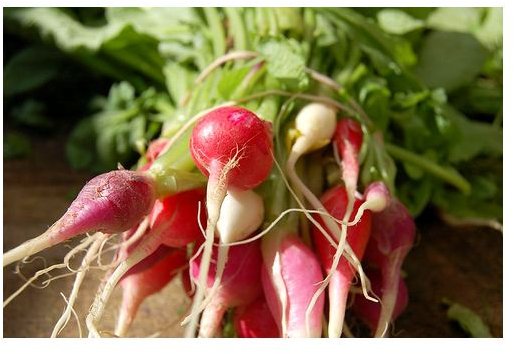
The most concrete disadvantage to going organic is price. There are legitimate reasons for greater expense — more work involved, greater expense on the part of farmers and producers to practice organic farming, and no government subsidies, which some non-organic farmers receive. Crop sizes are smaller, and as produce is natural, it doesn’t keep as long as food grown with artificial agents. There is also the trend of high prices for organic products leading to inflated costs. Basically, organic foods have to be more expensive to cover costs, but in some cases they do not have to be as expensive as they are. The problem with over-priced organics is that everyone cannot afford them. This leaves many people without the many benefits of eating organic foods, namely more nutrition and less toxins.
Although organic farming goes to great lengths to preserve the environment, the organic market is not completely eco-friendly. The biggest problem is the environmental impact of transportation. Because there are fewer sources of organic foods, items may be transported great distances, and in small quantities.
Organic foods may not be as chemically-free as believed. With pesticides and other pollutants contaminating the air, water, and soil for miles, unless an area is completely isolated, it is somewhat exposed to toxins. This is inevitable. As a result, people may pay high prices for a product that is not as pure and natural as the ideal.
The Natural, Eco-Friendly Solution
There is a way to balance organic foods advantages and disadvantages. In order to reap the benefits, but eliminate the negative aspects eat organic and shop local. Buy produce and other products at local farmers markets. By buying local, you know your purchase was not carried hundreds of miles in a gas-guzzling truck. Also, local farmers tend to have very reasonable prices without the cost of a middle-man. Talk to the people who grow the food, and learn about their sustainable methods, support them, and enjoy the fruits of their labor.
Resources
Editors of E. “Green Living: The E Magazine Handbook for Living Lightly on the Earth.” (Plume, 2005).
“Organic Facts.” (Organic.org) https://www.organic.org/education/faqs.
Photo Credit
photo by: Gudlyf (CC/flickr) https://www.flickr.com/photos/gudlyf/3968576211/
photo by: I Love Butter (CC/flickr) https://www.flickr.com/photos/jdickert/263469928/